Your donation will help us towards the rescue, rehabilitation, and conservation efforts in the Democratic Republic of the Congo.
The rescue of a chimp or primates in this country can sometimes cost tens of thousands of dollars as we require private planes and days worth of rescue efforts to bring them to the Sanctuary. The work is exhausting but saving these babies is our critical work but it is often their only hope to a return back to the wold one day.
Illegal wildlife trafficking is a $20 Billion a year industry and there are no signs that it’s stopping. Thousands of species of animals, including endangered species of mammals and birds, are stolen every year from their forests to be sold either for their body parts or for the exotic animal industry.
In the DRC, illegal poaching of chimpanzees, and other primates, some critically endangered, is a battle that is fought by organizations like JACK Sanctuary and ONG-Appacol PRN in a constant effort to curb the bushmeat and exotic pet trade.
SAFE Worldwide is committed to supported their efforts by providingfunding to project that help rescue these victims and also bring awareness to the cause, to help put a stop to illegal wildlife trafficking in the country.
Fighting illegal wildlife trafficking and the bushmeat trade
VIDEO
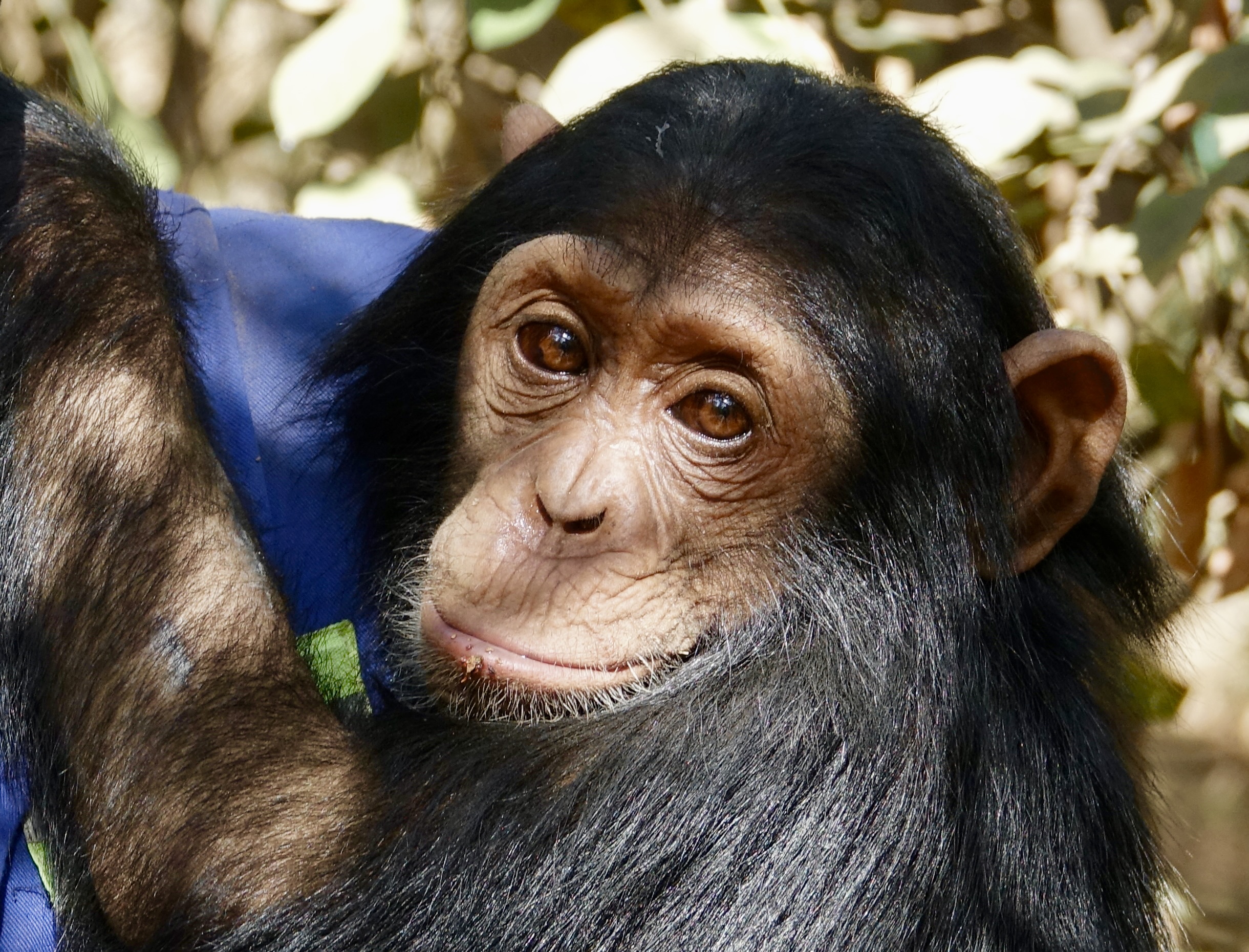
This is the story of Banda, a rescued chimp brought to JACK Sanctuary, that is located in Lubumbashi, DRC.
She is one of the lucky ones that has a chance to survive to adulthood. The majority of the victims of illegal wildlife trafficking never survive.
Watch her amazing rescue and why the work of these sanctuaries is critical to the survival of her species.
Facts and figures regarding the worldwide poaching industry
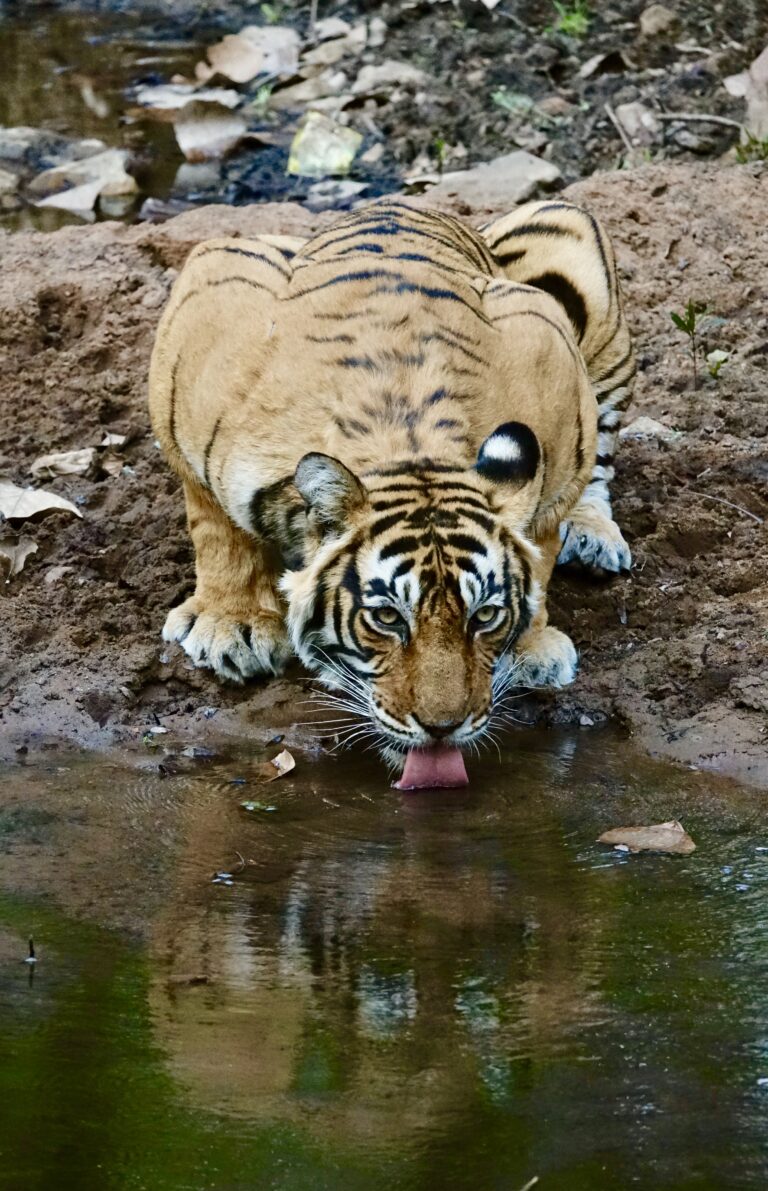
Black Market for Tiger parts
Tigers are poached on the black market for their organs, claws, teeth, pelts and bones used in traditional Chinese and eastern medicine.
$70-213 Billion
The illicit wildlife and plant trade is estimated to be worth $70-213 billion a year and infringes on natural resources of countries and wealth of businesses around the world.
100,000,000
100 million sharks are killed every year throughout the world for either consumption or as a consequence of fishing by-catch.
Overfishing is the biggest form of poaching in the world.
Time is
running out
Poaching is contributing to the extinction of thousands of species, including tigers, bears, elephants, and rhinoceroses.
Elephant Deaths
It is estimated that between 30,000 and 38,000 elephants are poached annually for their ivory tusks.
Approximately 400,000 elephants are left in the wild.
30,000 lost
Over 30,000 green sea turtles are poached every year in California alone. 6 of the 7 species of sea turtles are endangered, due to climate change and human activity.
$40,000 each
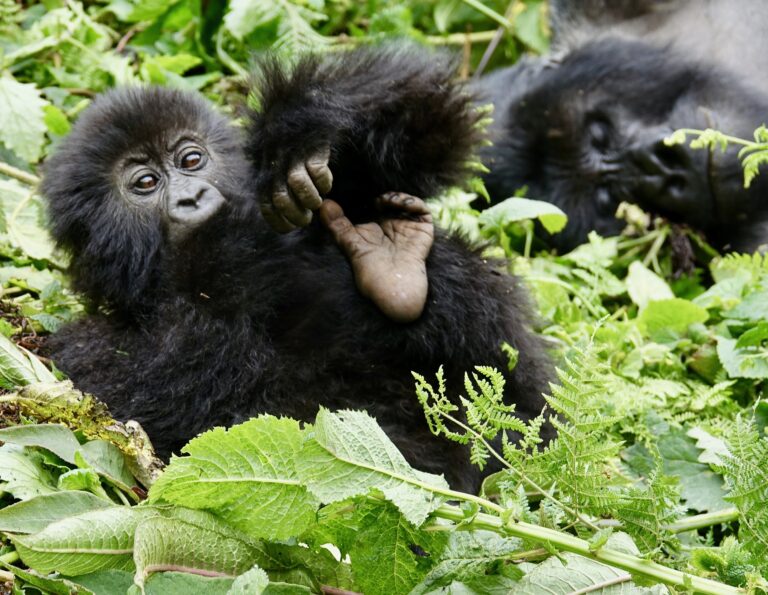
Baby gorillas and chimpanzees are being poached and stolen from the wild, sold for as much as $50,000 each.
Big-Horned
Sheep
Big-horned sheep antlers can fetch $20,000 on the black market.
Thousands
per day...
In Africa, thousands of animals are poached every day illegally for either the bushmeat trade or for the illegal wildlife trade
VIDEO
Words can be powerful. Stori Smith knows how to take a tough topic and turn it into poetry while creating awareness about the subject matter: The exotic pet industry as part of illegal wildlife trafficking.
Follow the journey of Stori’s words and help to bring awareness to a topic that is killing and harming tens of thousands of animals each year.
GuideStar is the world’s largest source of information on nonprofit organizations.
They gather and provide access to the most comprehensive, up-to-date, and accurate nonprofit information which is available to potential funders and donors.
Less than five percent of non-profits registered with GuideStar are recognized with a Gold Seal. A Gold Seal status is the leading symbol of non-profit transparency and accountability.
Start a Community Garden
A community garden is a wonderful way to bring people together while growing fresh, healthy food. Kids can ask their school, local library, or community center if there’s space to start a garden, then invite neighbors and classmates to help plant, water, and harvest vegetables or flowers. Some gardens even donate their extra produce to food banks or share it with neighbors who need it. It’s a hands-on way to learn about nature, teamwork, and taking care of your community’s shared spaces.
Wildlife centers take care of injured or orphaned animals, and they always need extra support to keep helping. Kids can host a bake sale, lemonade stand, or online fundraiser, or organize a “walk-a-thon” with friends and family to raise money for a wildlife rescue near them. You could also collect donated supplies the center needs, like towels, blankets, or pet food. Even a small donation can help feed, shelter, or heal an animal in need.
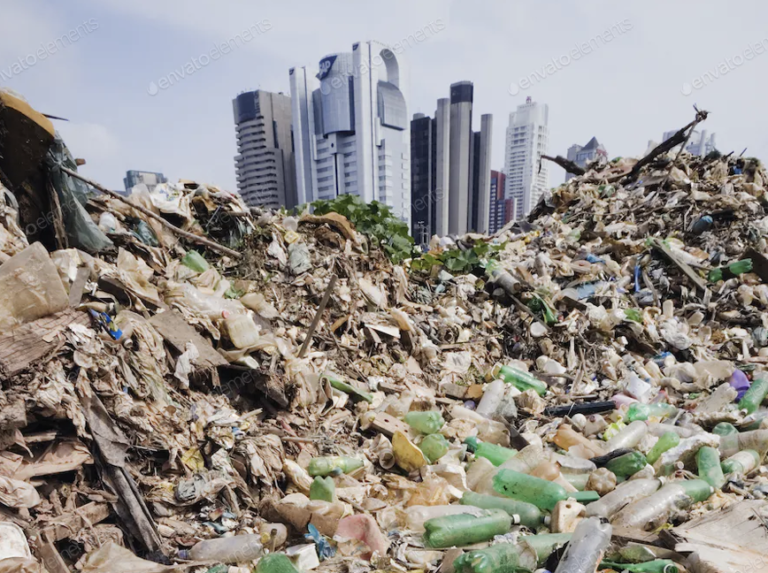
Recycling projects let kids turn everyday trash into something useful — or at least keep it out of landfills! You could start a recycling bin program at your school, organize a can and bottle drive to raise money for charity, or get creative and turn old materials into art, planters, or bird feeders. You might even research your town’s recycling rules and make a poster or flyer to help neighbors recycle correctly. Small habits, like rinsing containers or separating paper from plastic, add up to a big impact when a whole community joins in.
Setting up a booth at your local farmers market is a great way to get your whole neighborhood excited about helping the planet. You could raise money for a cause you care about — like a wildlife shelter, a tree-planting group, or a beach cleanup fund — by selling homemade crafts, lemonade, or baked goods. You could also use your booth to teach people about recycling, showing them fun facts or simple tips for sorting their trash the right way. It’s a great way to practice public speaking, teamwork, and making a real difference in your community.
Every year on the third Saturday of September, people around the world celebrate International Coastal Cleanup Day, and you can sign up with local groups in your community to join thousands of other volunteers picking up trash along the shore. But you don’t have to wait for that one day — cleanups can happen any time! Grab some gloves, trash bags, and a few friends, and organize your own cleanup day at a nearby river, stream, lake, or beach. It’s a fun way to hang out with friends while protecting fish, turtles, and birds from plastic and litter. Nationalcleanupday.
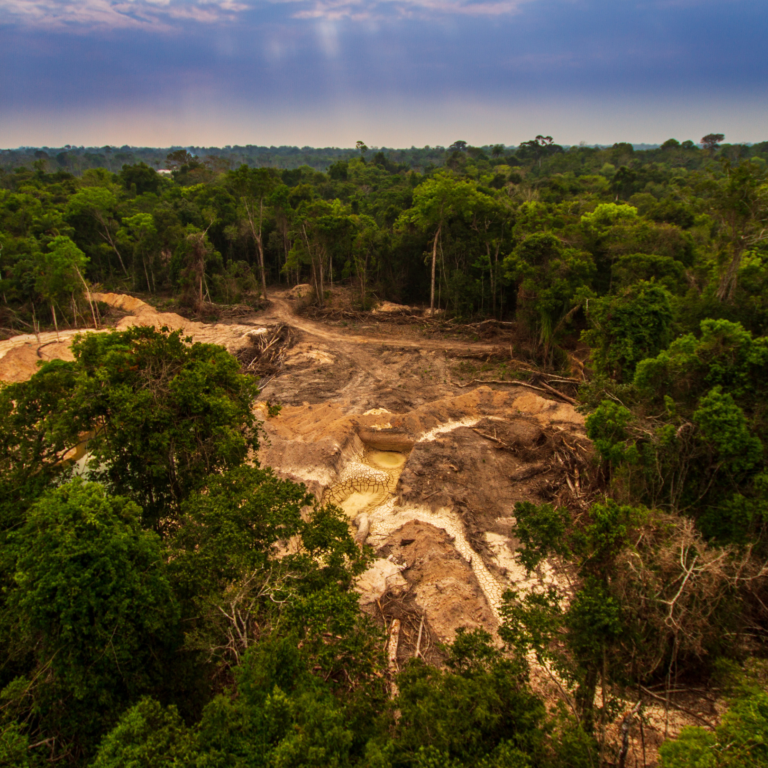
Planting trees is one of the easiest ways kids can help fight climate change and give animals a home. You can join organizations like SAFE Worldwide, One Tree Planted, or the Arbor Day Foundation, which often have kid-friendly volunteer days and even let you sponsor a tree from home. Or, team up with your family, neighbors, or scout troop to start your own mini tree-planting project in a local park, schoolyard, or empty lot (just ask permission first!). Every tree you plant helps clean the air, cool the planet, and grow into a home for birds and squirrels for years to come.