
To create innovative solutions for the conservation of endangered species and their habitats across the planet.
Creating projects that support the conservation and protection of endangered species and promote human-wildlife coexistence.
Projects are in the field, with our partner NGOs or sanctuary partners who support our organization’s mission to rescue, rehabilitate, and release.
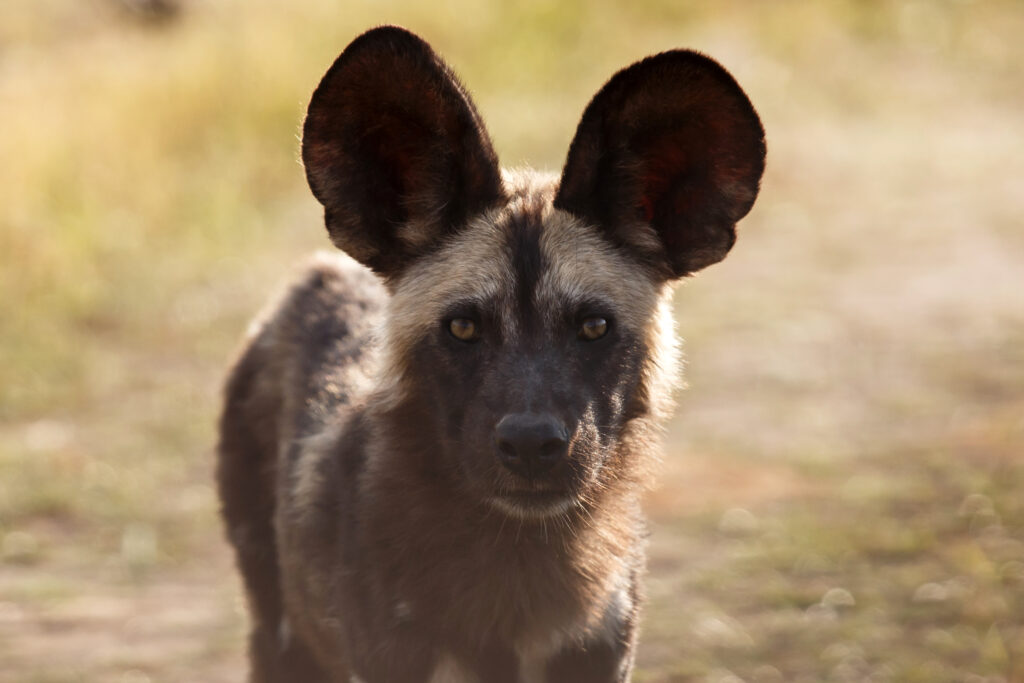
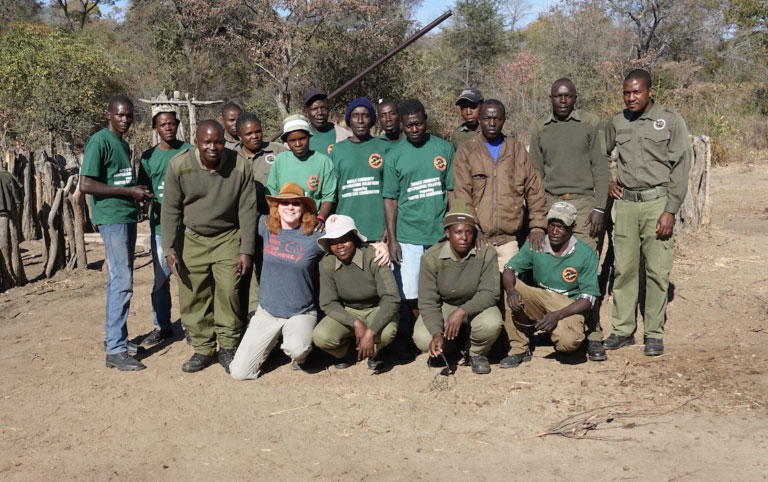
Working in collaboration with local communities where endangered species are at risk for human-wildlife conflict.
Projects include trade skill development, microloans, beekeeping Uganda project and wildlife conservation camps in areas near the national parks where endangered species are located.
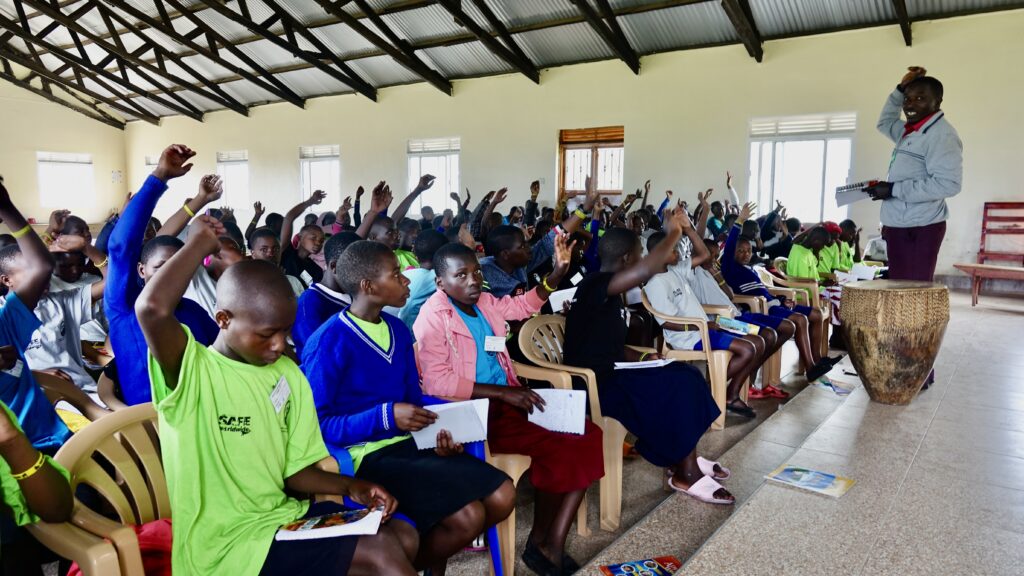
Our programs reach across cultures and age groups, inspiring empathy, compassion, awareness and appreciation for wildlife conservation and environmental responsibility. From school-based programs to community engagement, anti-poaching initiatives and consumer advocacy we not only raise awareness but provide opportunities to promote inspired actions for the benefit of all.
SAFE Worldwide also provide educational talks in schools, at clubs and in larger venues.
Our newest Impact Report shows what your support made possible over the last fiscal year—from wildlife rescued to habitats protected and communities engaged.
Explore the facts behind the work, and see how collective action is creating real, lasting change.

We have made a commitment that 100% of your funds go to conservation projects that we support. We do not take salaries and we use our own private funds to pay for administrative costs.
Some donors direct their donations towards wildlife conservation while others towards community projects where animals are in danger of human-wildlife conflict.
You can tell us exactly where you want your funds to go. Or we will apply them to the neediest projects, based on how critical the need is.


A community garden is a wonderful way to bring people together while growing fresh, healthy food. Kids can ask their school, local library, or community center if there’s space to start a garden, then invite neighbors and classmates to help plant, water, and harvest vegetables or flowers. Some gardens even donate their extra produce to food banks or share it with neighbors who need it. It’s a hands-on way to learn about nature, teamwork, and taking care of your community’s shared spaces.
Wildlife centers take care of injured or orphaned animals, and they always need extra support to keep helping. Kids can host a bake sale, lemonade stand, or online fundraiser, or organize a “walk-a-thon” with friends and family to raise money for a wildlife rescue near them. You could also collect donated supplies the center needs, like towels, blankets, or pet food. Even a small donation can help feed, shelter, or heal an animal in need.
Recycling projects let kids turn everyday trash into something useful — or at least keep it out of landfills! You could start a recycling bin program at your school, organize a can and bottle drive to raise money for charity, or get creative and turn old materials into art, planters, or bird feeders. You might even research your town’s recycling rules and make a poster or flyer to help neighbors recycle correctly. Small habits, like rinsing containers or separating paper from plastic, add up to a big impact when a whole community joins in.
Setting up a booth at your local farmers market is a great way to get your whole neighborhood excited about helping the planet. You could raise money for a cause you care about — like a wildlife shelter, a tree-planting group, or a beach cleanup fund — by selling homemade crafts, lemonade, or baked goods. You could also use your booth to teach people about recycling, showing them fun facts or simple tips for sorting their trash the right way. It’s a great way to practice public speaking, teamwork, and making a real difference in your community.
Every year on the third Saturday of September, people around the world celebrate International Coastal Cleanup Day, and you can sign up with local groups in your community to join thousands of other volunteers picking up trash along the shore. But you don’t have to wait for that one day — cleanups can happen any time! Grab some gloves, trash bags, and a few friends, and organize your own cleanup day at a nearby river, stream, lake, or beach. It’s a fun way to hang out with friends while protecting fish, turtles, and birds from plastic and litter. Nationalcleanupday.
Planting trees is one of the easiest ways kids can help fight climate change and give animals a home. You can join organizations like SAFE Worldwide, One Tree Planted, or the Arbor Day Foundation, which often have kid-friendly volunteer days and even let you sponsor a tree from home. Or, team up with your family, neighbors, or scout troop to start your own mini tree-planting project in a local park, schoolyard, or empty lot (just ask permission first!). Every tree you plant helps clean the air, cool the planet, and grow into a home for birds and squirrels for years to come.