All of us can do something to help the environment and all the species that inhabit it.
Every voice matters. Every small gesture counts. All of us have a responsibility to treat the planet with respect and reverence.
There is no planet B. There are no other options. We must make the time to act and realize that it is in our hands to create change and a better planet.
Whether it's at a local wildlife refuge or at the numerous ethical wildlife sanctuaries around the world, that often need volunteers to help save animals.
Speak up against animal cruelty, trophy hunting, the exotic pet industry, circuses, zoos and wild animals that are used for entertainment
Donate your time for ocean clean-ups days, tree planting events, local park and stream clean-up. Or attend rallies that promote environmental advocacy.
Learn about wildlife through nature shows, such as NOVA, PLANET EARTH and educational content with animals in their natural setting.
Join legitimate and ethical NGOs and conservation organizations. You can research them at 'charitynavigator' or 'guidestar'.
yes, that alone will help with land use and avoid human-wildlife conflicts in farmlands. If that's too overwhelming , go vegetarian first.
Teach kids about wildlife, whether local or endangered species that you relate to. Watch age appropriate documentaries teaching about wildlife.
Call local authorities if you know of any illegal poaching, fishing or poaching. When traveling, contact authorities in that country if you see wildlife parts that are endangered,
Loss of habitat and deforestation are critical components to species going extinct. Conserve and put less waste in the environment.
Don’t use dangerous fertilizers in your yard. 50% of insects on the planet have vanished, partly because of our use of dangerous pesticides and fertilizers.
Online sites like Change.org, causes.com or thepetitionsite.com are allowing anyone to create petitions or sign a petition you support. The basic sites are free.
You can make a major impact by leaving the car behind and walking or riding your bike to the store or to the park. Use public transportation when possible.
Each one of us can do something at a local level, by engaging our communities or our friends in activities that are fun and benefit the planet.
Check out some of the simple yet effective ideas mentioned below:
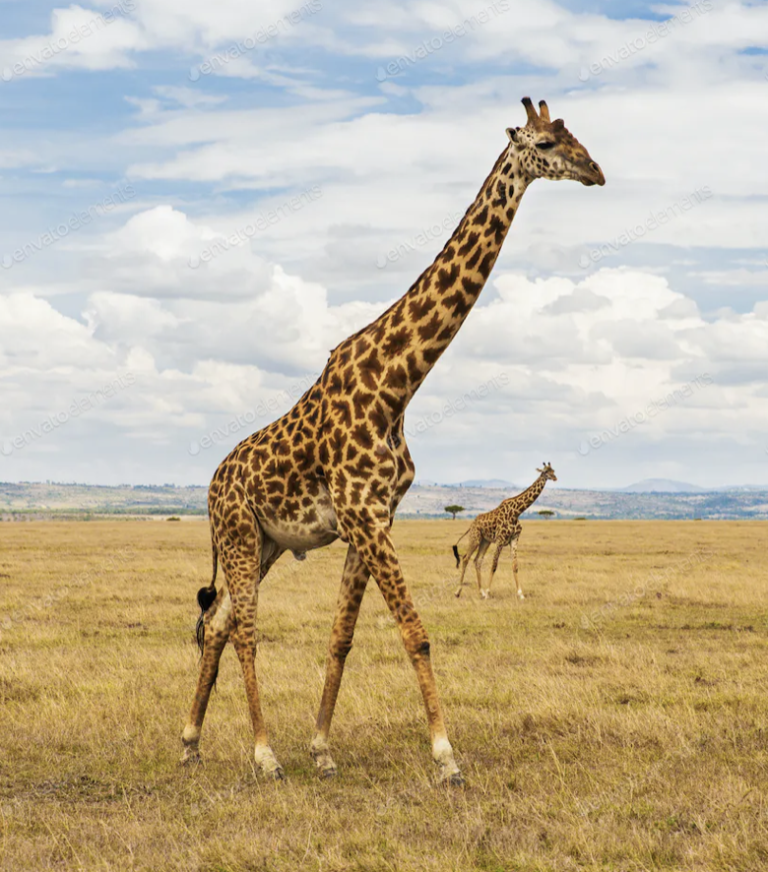
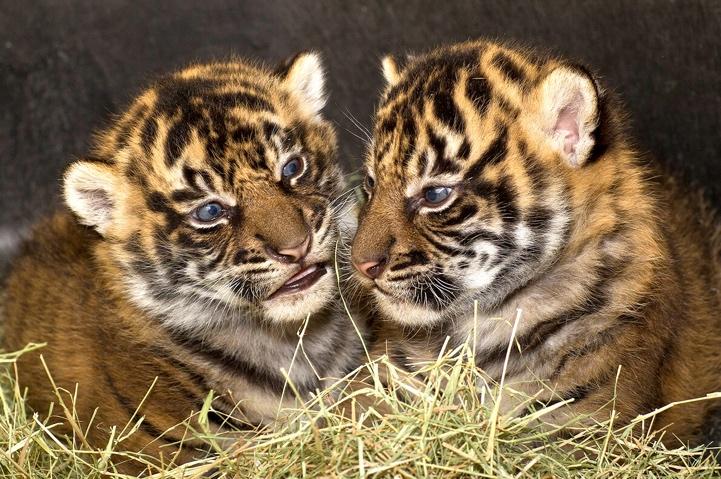
In your local area, there will likely be species that are endangered. You can let everyone around you know so that they are able to act in a way that will not put these animals’ lives in danger.
Planting flora that is native to the area will provide food for the wildlife around you. This is very important because industry often destroys these plants, which leaves the animals in certain places without any food.
Secure your trash (and use locking lids) so that animals can’t get to it. Place decals on your windows in order to keep birds from colliding with them. These decals will help to protect the local wildlife.
Roads are one of the biggest hazards that animals face. If you are driving on a road that wildlife is known to cross, stay alert and look out for animals so that you will not hit them.
if you travel abroad, you might come across products from endangered species being sold in local markets. Do not purchase any goods that likely required the killing of an endangered animal.
This is simple enough, and it does not take much time or money. Giving a small donation to organizations that are vetted by charity navigator or Guidestar. Your funds will help save animals.
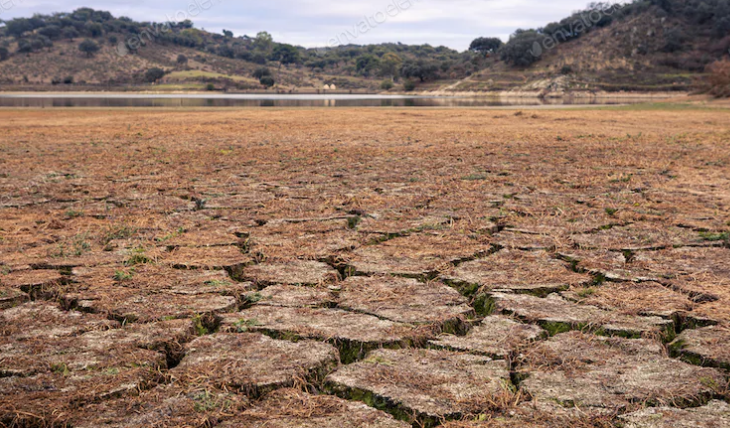
Many places are experiencing droughts, and using a lot of water makes the problem worse. Limit your water consumption so that there is more water left for the animals
Merely doing your part to reduce the amount of pollution that you are part of can go a long way. Pollution has a very negative effect on the survival of many species.
At the very least, limiting the amount of plastic you buy, and recycling what you use, can go a long way. Animals often mistake plastic for food, which means that plastics can cause a huge hazard for many endangered species.
Many industries are known to pollute natural water resources. You can do your part by not giving these companies your business, and one day we might see a world where companies do not pollute natural habitats.
There are many books dedicated to teaching about endangered species and how to protect them. Read these books and understand your goals and how to achieve them. An educated mind is one that will make the biggest difference.
By consuming less overall, you can help to protect the ecosystems that wildlife need in order to survive. This is something that takes a conscious effort, and more people need to get on board with it. Look into different ways to go about doing this.

A community garden is a wonderful way to bring people together while growing fresh, healthy food. Kids can ask their school, local library, or community center if there’s space to start a garden, then invite neighbors and classmates to help plant, water, and harvest vegetables or flowers. Some gardens even donate their extra produce to food banks or share it with neighbors who need it. It’s a hands-on way to learn about nature, teamwork, and taking care of your community’s shared spaces.
Wildlife centers take care of injured or orphaned animals, and they always need extra support to keep helping. Kids can host a bake sale, lemonade stand, or online fundraiser, or organize a “walk-a-thon” with friends and family to raise money for a wildlife rescue near them. You could also collect donated supplies the center needs, like towels, blankets, or pet food. Even a small donation can help feed, shelter, or heal an animal in need.
Recycling projects let kids turn everyday trash into something useful — or at least keep it out of landfills! You could start a recycling bin program at your school, organize a can and bottle drive to raise money for charity, or get creative and turn old materials into art, planters, or bird feeders. You might even research your town’s recycling rules and make a poster or flyer to help neighbors recycle correctly. Small habits, like rinsing containers or separating paper from plastic, add up to a big impact when a whole community joins in.
Setting up a booth at your local farmers market is a great way to get your whole neighborhood excited about helping the planet. You could raise money for a cause you care about — like a wildlife shelter, a tree-planting group, or a beach cleanup fund — by selling homemade crafts, lemonade, or baked goods. You could also use your booth to teach people about recycling, showing them fun facts or simple tips for sorting their trash the right way. It’s a great way to practice public speaking, teamwork, and making a real difference in your community.
Every year on the third Saturday of September, people around the world celebrate International Coastal Cleanup Day, and you can sign up with local groups in your community to join thousands of other volunteers picking up trash along the shore. But you don’t have to wait for that one day — cleanups can happen any time! Grab some gloves, trash bags, and a few friends, and organize your own cleanup day at a nearby river, stream, lake, or beach. It’s a fun way to hang out with friends while protecting fish, turtles, and birds from plastic and litter. Nationalcleanupday.
Planting trees is one of the easiest ways kids can help fight climate change and give animals a home. You can join organizations like SAFE Worldwide, One Tree Planted, or the Arbor Day Foundation, which often have kid-friendly volunteer days and even let you sponsor a tree from home. Or, team up with your family, neighbors, or scout troop to start your own mini tree-planting project in a local park, schoolyard, or empty lot (just ask permission first!). Every tree you plant helps clean the air, cool the planet, and grow into a home for birds and squirrels for years to come.