
Travel responsibly by following some simple steps
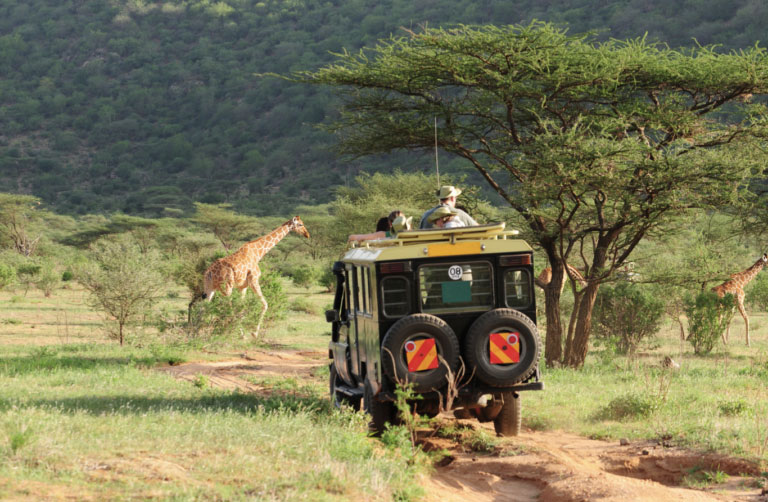
– Take shortest route to destination whenever possible. Offset your carbon footprint.
– Research your tour operator to ensure they follow an eco-conscious policy.
– Seek out eco-friendly accommodations or AirBnB.
– Head signs and don’t trespass. Stay on marked paths.
– Never deface a monument or sacred place.
– Ask for permission to take a local people’s photo.
– Only go to ethical sanctuaries (see our volunteer page).
– Don’t buy trinkets with animals parts.
– Reduce your use of plastics and do not litter.
– Use public transportation when possible. Rent bikes or walk.
– Bring your own water container.
– Be courteous of nature⠀
– Be a mindful photographer
– Avoid flying whenever possible⠀

– Never touch or feed wildlife.
– Never support any form of trophy hunting.
– Never pay to have a picture taken with a captive wild animal.
– Do not buy any ivory or horn items. Only buy animal-free gifts or products.
– Don’t participate in tours that promote animal cruelty like dolphin shows, elephant rides.
– Don’t encourage your driver to break the park rules so you can get a better photo.
– Do your homework before going to a sanctuary. Ensure that they meet all ethical standards.
– Never attend paying shows that feature wild animals doing tricks for your entertainment.
– Be courteous of all nature. ⠀
– Don’t harm, harass or scare wild animals.
– Notify your guide or eco lodge if you find any harmed, trapped or ensnared animal.
– Don’t pick any plants from foreign places.
– Only wear reef-safe sunscreen. Better yet, wear sunguard shirts to reduce the need for sunscreen.
– Don’t take from the ocean. Leave shells on the beach and coral in the ocean.
– Never swim with captive dolphins or other captive wildlife.
– Never attend shows with ocean mammals such as orcas, seals or dolphins.
– Don’t step on coral, which is very fragile.
– Never harass sea life, while scuba diving or walking on the beach.
– Call the lifeguard or local wildlife center if you find an injured animal.
– If situation is urgent (beached dolphins, or animals caught in fishing net) handle only with extreme care. It is always better to call professional wildlife rangers before engaging in a potentially dangerous situation.
– Pick up trash on the beach, set an example of being a good tourist.
– Don’t buy items that feature animal parts.

– Learn all you can about local laws on how to respect to wildlife.
– Consider traveling during low or off season.
– Find the most direct route to travel, if you must fly to your destination.
– Consider a walking or biking tour. It will allow you to see more of the countryside and the road less traveled.
– Learn about the wildlife and the flora in the region you will be visiting.
– Search for tour operators and lodges that are eco-conscious and deeply care about their impact on the environment.
– Research sanctuaries where you can volunteer. Bring an extra suitcase with goods for the local people. (ask the lodge what is needed in the area, don’t assume)
– Consider donating to a carbon offset program.
– Bring a refillable water bottle.
– Pack biodegradable toiletries so you don’t harm the environment.
You don't want to be the reason that an animal got hurt or died because of your lack of ethical behavior.
You will want to leave the place you visited as pristine (or better) than how you found it. Set the example.
You want to ensure that your children will also be able to experience the wildlife like you did.
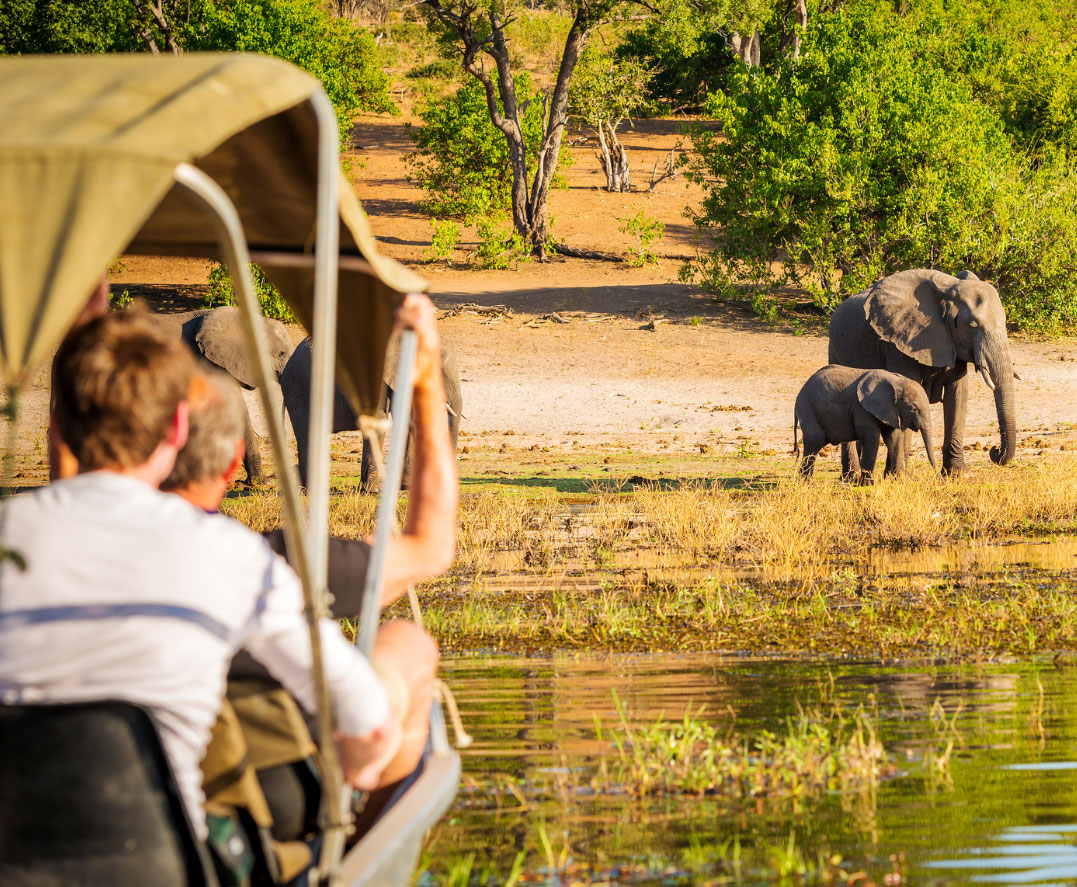
Sign up today to our monthly newsletter and learn how to be an eco-conscious traveler

A community garden is a wonderful way to bring people together while growing fresh, healthy food. Kids can ask their school, local library, or community center if there’s space to start a garden, then invite neighbors and classmates to help plant, water, and harvest vegetables or flowers. Some gardens even donate their extra produce to food banks or share it with neighbors who need it. It’s a hands-on way to learn about nature, teamwork, and taking care of your community’s shared spaces.
Wildlife centers take care of injured or orphaned animals, and they always need extra support to keep helping. Kids can host a bake sale, lemonade stand, or online fundraiser, or organize a “walk-a-thon” with friends and family to raise money for a wildlife rescue near them. You could also collect donated supplies the center needs, like towels, blankets, or pet food. Even a small donation can help feed, shelter, or heal an animal in need.
Recycling projects let kids turn everyday trash into something useful — or at least keep it out of landfills! You could start a recycling bin program at your school, organize a can and bottle drive to raise money for charity, or get creative and turn old materials into art, planters, or bird feeders. You might even research your town’s recycling rules and make a poster or flyer to help neighbors recycle correctly. Small habits, like rinsing containers or separating paper from plastic, add up to a big impact when a whole community joins in.
Setting up a booth at your local farmers market is a great way to get your whole neighborhood excited about helping the planet. You could raise money for a cause you care about — like a wildlife shelter, a tree-planting group, or a beach cleanup fund — by selling homemade crafts, lemonade, or baked goods. You could also use your booth to teach people about recycling, showing them fun facts or simple tips for sorting their trash the right way. It’s a great way to practice public speaking, teamwork, and making a real difference in your community.
Every year on the third Saturday of September, people around the world celebrate International Coastal Cleanup Day, and you can sign up with local groups in your community to join thousands of other volunteers picking up trash along the shore. But you don’t have to wait for that one day — cleanups can happen any time! Grab some gloves, trash bags, and a few friends, and organize your own cleanup day at a nearby river, stream, lake, or beach. It’s a fun way to hang out with friends while protecting fish, turtles, and birds from plastic and litter. Nationalcleanupday.
Planting trees is one of the easiest ways kids can help fight climate change and give animals a home. You can join organizations like SAFE Worldwide, One Tree Planted, or the Arbor Day Foundation, which often have kid-friendly volunteer days and even let you sponsor a tree from home. Or, team up with your family, neighbors, or scout troop to start your own mini tree-planting project in a local park, schoolyard, or empty lot (just ask permission first!). Every tree you plant helps clean the air, cool the planet, and grow into a home for birds and squirrels for years to come.