
Author picture
Poaching during these dark times has already cost the life of a rare silverback mountain gorilla in Bwindi National Park.

The COVID-19 pandemic continues to show the fragility of the relationships between humans and wildlife. Countries such as Uganda and Rwanda that are dependent on the ecotourism economy are experiencing economic crises due to pandemic related shutdowns. Economic disparity and lack of employment in ecotourism have forced people in this region to search for other livelihoods, such as the illegal bushmeat trade. Regional instability, which stems from a history of colonization, war, food scarcity, and foreign exploitation, endangers the people and wildlife. 

A casualty of this crisis was Rafiki, a mountain gorilla killed by a poacher in Uganda. As the dominant male and protector of his family, his death puts his entire family in grave danger. Rafiki’s death has moved me to research further into the relationships between endangered mountain gorillas and the communities that surround them.

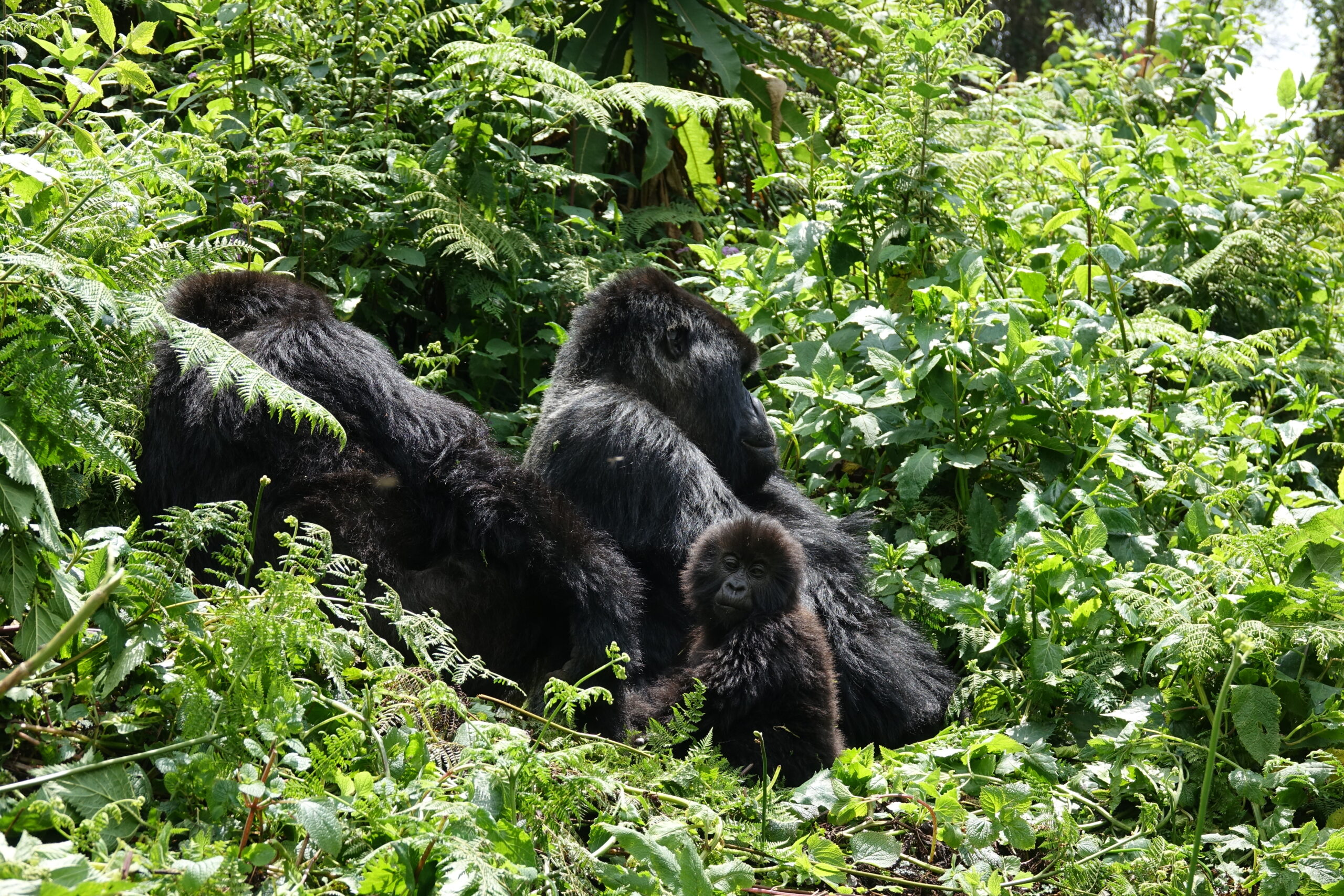
The mountain gorilla is a subspecies of the eastern gorilla, found now only in Bwindi Impenetrable National Park in Uganda and Virunga National Park bordering Congo, Rwanda, and Uganda. Mountain gorillas are omnivores that live in mountainous areas in elevations of 8,000 to 13,000 feet and live in troops of up to thirty individuals, led by a silverback alpha male. Similar to human reproduction, females give birth to one infant after a nine-month-long pregnancy. The mountain gorilla population today is about 1,000 individuals, an optimistic increase from previous censuses. Human interference has put this fragile population in grave danger in the past and continues to do so today. 

Mountain gorillas face threats from habitat loss, human disease such as the common cold, and poaching. The bushmeat trade is a source of food and income for impoverished populations. Although they are not usually the target of poachers, mountain gorillas are killed or maimed by snares. Aside from physical injuries, gorillas face traumatic disruptions to group dynamics, such as the loss of Rafiki as the dominant male. Lack of economic incentives and an unreliable judiciary system continue to put these great apes and other wildlife at risk.  

Mountain gorillas face many dangers, but there is a haven for some of these animals. Virunga National Park, established in 1925, is the first national park in Africa and one of the most biologically diverse protected areas in the world. The park borders Uganda and Rwanda and spans over 3,000 square miles. Virunga is home to hundreds of types of species of mammals, birds, reptiles, amphibians, primates and is one of only two places in the world with mountain gorilla populations. Over 700 rangers consisting of brave men and women preserve this sacred land from armed groups and illegal poaching, a duty that puts their lives at risk. Virunga has faced many challenges from foreign intervention in the region and a lack of stable government protection. 

SAFE Worldwide is working to help the communities that surround the mountain gorillas through workshops and educational courses. These rural communities, which rely on selling goods to visitors, are facing economic crises due to the pandemic and the exclusion from the support of major NGO’s. Partnering with local elders, SAFE Worldwide is creating opportunities for locals outside of the poaching and bushmeat trade. One of SAFE Worldwide’s projects is training at sewing centers in Rwanda and Uganda. At these centers, locals receive free training and certification, which creates the opportunity to work for others or start their own business through microloans. 

Supporting organizations such as SAFE Worldwide directly aid these forgotten communities and the wildlife around them. Every day, mountain gorillas and other species are hunted, injured, and killed in the illegal trade. Without direct support and awareness of the ongoing situations, animals and humans alike will continue to suffer in this region.

Gold Transparency 2023 Candid badge.

GuideStar is the world’s largest source of information on nonprofit organizations.


They gather and provide access to the most comprehensive, up-to-date, and accurate nonprofit information which is available to potential funders and donors.

Less than five percent of non-profits registered with GuideStar are recognized with a Gold Seal. A Gold Seal status is the leading symbol of non-profit transparency and accountability.

Start a Community Garden

A community garden is a wonderful way to bring people together while growing fresh, healthy food. Kids can ask their school, local library, or community center if there’s space to start a garden, then invite neighbors and classmates to help plant, water, and harvest vegetables or flowers. Some gardens even donate their extra produce to food banks or share it with neighbors who need it. It’s a hands-on way to learn about nature, teamwork, and taking care of your community’s shared spaces.

SAFE Worldwide Kid's Zone

Raise Funds for Local Wildlife Center

Wildlife centers take care of injured or orphaned animals, and they always need extra support to keep helping. Kids can host a bake sale, lemonade stand, or online fundraiser, or organize a “walk-a-thon” with friends and family to raise money for a wildlife rescue near them. You could also collect donated supplies the center needs, like towels, blankets, or pet food. Even a small donation can help feed, shelter, or heal an animal in need.

SAFE Worldwide Kid's Zone

Recycling Project

Recycling projects let kids turn everyday trash into something useful — or at least keep it out of landfills! You could start a recycling bin program at your school, organize a can and bottle drive to raise money for charity, or get creative and turn old materials into art, planters, or bird feeders. You might even research your town’s recycling rules and make a poster or flyer to help neighbors recycle correctly. Small habits, like rinsing containers or separating paper from plastic, add up to a big impact when a whole community joins in.

SAFE Worldwide Kid's Zone

Booth at Local Farmers Markets

Setting up a booth at your local farmers market is a great way to get your whole neighborhood excited about helping the planet. You could raise money for a cause you care about — like a wildlife shelter, a tree-planting group, or a beach cleanup fund — by selling homemade crafts, lemonade, or baked goods. You could also use your booth to teach people about recycling, showing them fun facts or simple tips for sorting their trash the right way. It’s a great way to practice public speaking, teamwork, and making a real difference in your community.

SAFE Worldwide Kid's Zone

Beach Clean-Ups

Every year on the third Saturday of September, people around the world celebrate International Coastal Cleanup Day, and you can sign up with local groups in your community to join thousands of other volunteers picking up trash along the shore. But you don’t have to wait for that one day — cleanups can happen any time! Grab some gloves, trash bags, and a few friends, and organize your own cleanup day at a nearby river, stream, lake, or beach. It’s a fun way to hang out with friends while protecting fish, turtles, and birds from plastic and litter. Nationalcleanupday.

SAFE Worldwide Kid's Zone

Tree Planting Events

Planting trees is one of the easiest ways kids can help fight climate change and give animals a home. You can join organizations like SAFE Worldwide, One Tree Planted, or the Arbor Day Foundation, which often have kid-friendly volunteer days and even let you sponsor a tree from home. Or, team up with your family, neighbors, or scout troop to start your own mini tree-planting project in a local park, schoolyard, or empty lot (just ask permission first!). Every tree you plant helps clean the air, cool the planet, and grow into a home for birds and squirrels for years to come.

SAFE Worldwide Kid's Zone