Glaciers Around the World Are Melting. Why Should We Care?

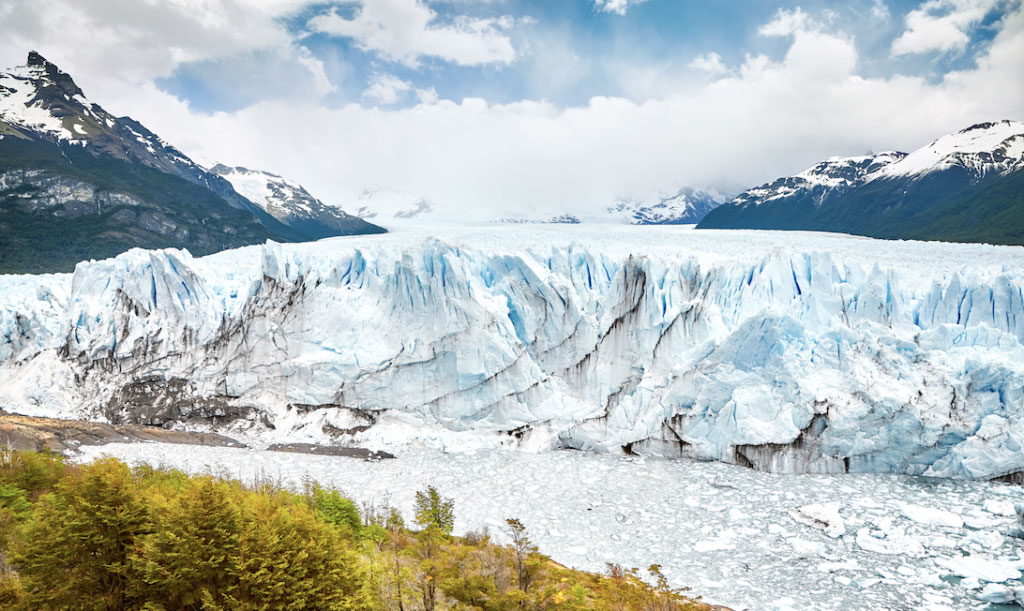
Glacier with mountains and cloudy sky background.

Share This Page

LinkedIn
Email

A Melting Planet: Glacier Regression and Rising Sea Levels

page1image35178528

Trift Glacier, Switzerland. Left (2006), Right (2015). Photo by Extreme Ice Survey

Glaciers around the world are melting. Why should we care?

Well, let’s first take a look at the United States. Almost 40% of our population lives in a coastal area. That means 40% of our population is exposed and vulnerable to sea level rise. When glaciers melt, they cause our ocean levels to creep up. Due to a combination of both melting ice and thermal expansion from warming waters, sea levels are rising at approximately 1/8 inch (3.4 mm) per year. That doesn’t seem like a large number at first glance, however, over a certain length of time, that number adds up. It is especially concerning when we note that the annual rate of rise has doubled since the 20th century. The National Atmospheric and Oceanic Administration (NOAA) has projected that the global mean sea level will rise at least 8 inches but no more than 6 feet by the year 2100. What does this mean? Coastal fish and wildlife ecosystems are threatened. Nuisance flooding is increasing. Freshwater aquifers are being flooded by saltwater, tainting municipal and agricultural water supplies. All of this because ice is melting around the world.

Columbia Glacier, Alaska. Left (2009), Right (2015). Photo by Extreme Ice Survey

page1image35181024

Now let’s leave the shores of North America and head to Tanzania, Africa, home to Mount Kilimanjaro. Once home to a beautiful abundance of ice fields, this was an ice climber’s paradise. Of the ice cover present in 1912, today, approximately 90% has melted away.

page2image35361248

Ice Climber in Mount Kilimanjaro. Photo by UNEP.

Our last stop will be heading north. Arctic land ice makes up 31% of the eustatic sea-level contribution to rising sea levels, making it the largest land ice contributor in the world. Imagine how a melting habitat is affecting the animals that call it home. Polar bears, who use the ice for travel to different areas, are losing that ability as their “roads” melt away into the ocean. They are losing hunting grounds and are becoming isolated to small regions and being forced to inbreed due to decreased contact with outside polar bears. The polar bear population in Svalbard, on the Barents Sea, lost 10% genetic diversity in the past 20 years. Lack of genetic diversity can cause difficulty with continuing to produce fertile offspring. It is a true threat to the species.

page2image35360416

Photo by Ole Jorgen Liodden/NPL off of nature.com

There is no corner of the world that can escape the fate of a warming planet. The Extreme Ice Survey, a showcase at the Museum of Science and Industry in Chicago, used photography to portray to the masses just how serious climate change is for glaciers around the world. Time lapses and side-by-side photos display heartbreaking regression and loss. From Switzerland to Alaska to the French Alps to Nepal. The pictures speak a thousand words. However, the exhibit was not made to make us feel sad or hopeless, reflecting on the natural wonders we’ve lost. It is to educate, impact, and ignite a change.

What can we do to help? Reduce our carbon footprint.   3 easy ways that you can help lower greenhouse gas emissions:
1. Adjust your thermostat: down 3 degrees Fahrenheit in the winter, up 3 degrees Fahrenheit in the summer.
2. Use energy-saving light bulbs. Replace incandescent bulbs with LED lights.
3. Drive less. Ride your bike or walk as much as you can.

References:

http://arizonaenergy.org/News_17/News_Sep17/ClimateChangeGlobalSeaLevel.html

https://www.pnas.org/doi/10.1073/pnas.0906029106

https://www.msichicago.org/press/press-releases/extreme-ice/

https://iopscience.iop.org/article/10.1088/1748-9326/aaf2ed/meta

https://www.unep.org/news-and-stories/story/Ice-loss-Africa%E2%80%99s-highest-peak-prompts-star- climber-Will%20Gadd
Gold Transparency 2023 Candid badge.

GuideStar is the world’s largest source of information on nonprofit organizations.


They gather and provide access to the most comprehensive, up-to-date, and accurate nonprofit information which is available to potential funders and donors.

Less than five percent of non-profits registered with GuideStar are recognized with a Gold Seal. A Gold Seal status is the leading symbol of non-profit transparency and accountability.

Start a Community Garden

A community garden is a wonderful way to bring people together while growing fresh, healthy food. Kids can ask their school, local library, or community center if there’s space to start a garden, then invite neighbors and classmates to help plant, water, and harvest vegetables or flowers. Some gardens even donate their extra produce to food banks or share it with neighbors who need it. It’s a hands-on way to learn about nature, teamwork, and taking care of your community’s shared spaces.

SAFE Worldwide Kid's Zone

Raise Funds for Local Wildlife Center

Wildlife centers take care of injured or orphaned animals, and they always need extra support to keep helping. Kids can host a bake sale, lemonade stand, or online fundraiser, or organize a “walk-a-thon” with friends and family to raise money for a wildlife rescue near them. You could also collect donated supplies the center needs, like towels, blankets, or pet food. Even a small donation can help feed, shelter, or heal an animal in need.

SAFE Worldwide Kid's Zone

Recycling Project

Recycling projects let kids turn everyday trash into something useful — or at least keep it out of landfills! You could start a recycling bin program at your school, organize a can and bottle drive to raise money for charity, or get creative and turn old materials into art, planters, or bird feeders. You might even research your town’s recycling rules and make a poster or flyer to help neighbors recycle correctly. Small habits, like rinsing containers or separating paper from plastic, add up to a big impact when a whole community joins in.

SAFE Worldwide Kid's Zone

Booth at Local Farmers Markets

Setting up a booth at your local farmers market is a great way to get your whole neighborhood excited about helping the planet. You could raise money for a cause you care about — like a wildlife shelter, a tree-planting group, or a beach cleanup fund — by selling homemade crafts, lemonade, or baked goods. You could also use your booth to teach people about recycling, showing them fun facts or simple tips for sorting their trash the right way. It’s a great way to practice public speaking, teamwork, and making a real difference in your community.

SAFE Worldwide Kid's Zone

Beach Clean-Ups

Every year on the third Saturday of September, people around the world celebrate International Coastal Cleanup Day, and you can sign up with local groups in your community to join thousands of other volunteers picking up trash along the shore. But you don’t have to wait for that one day — cleanups can happen any time! Grab some gloves, trash bags, and a few friends, and organize your own cleanup day at a nearby river, stream, lake, or beach. It’s a fun way to hang out with friends while protecting fish, turtles, and birds from plastic and litter. Nationalcleanupday.

SAFE Worldwide Kid's Zone

Tree Planting Events

Planting trees is one of the easiest ways kids can help fight climate change and give animals a home. You can join organizations like SAFE Worldwide, One Tree Planted, or the Arbor Day Foundation, which often have kid-friendly volunteer days and even let you sponsor a tree from home. Or, team up with your family, neighbors, or scout troop to start your own mini tree-planting project in a local park, schoolyard, or empty lot (just ask permission first!). Every tree you plant helps clean the air, cool the planet, and grow into a home for birds and squirrels for years to come.

SAFE Worldwide Kid's Zone