Big Cat Poaching: How to Save Our Endangered Felines from Extinction

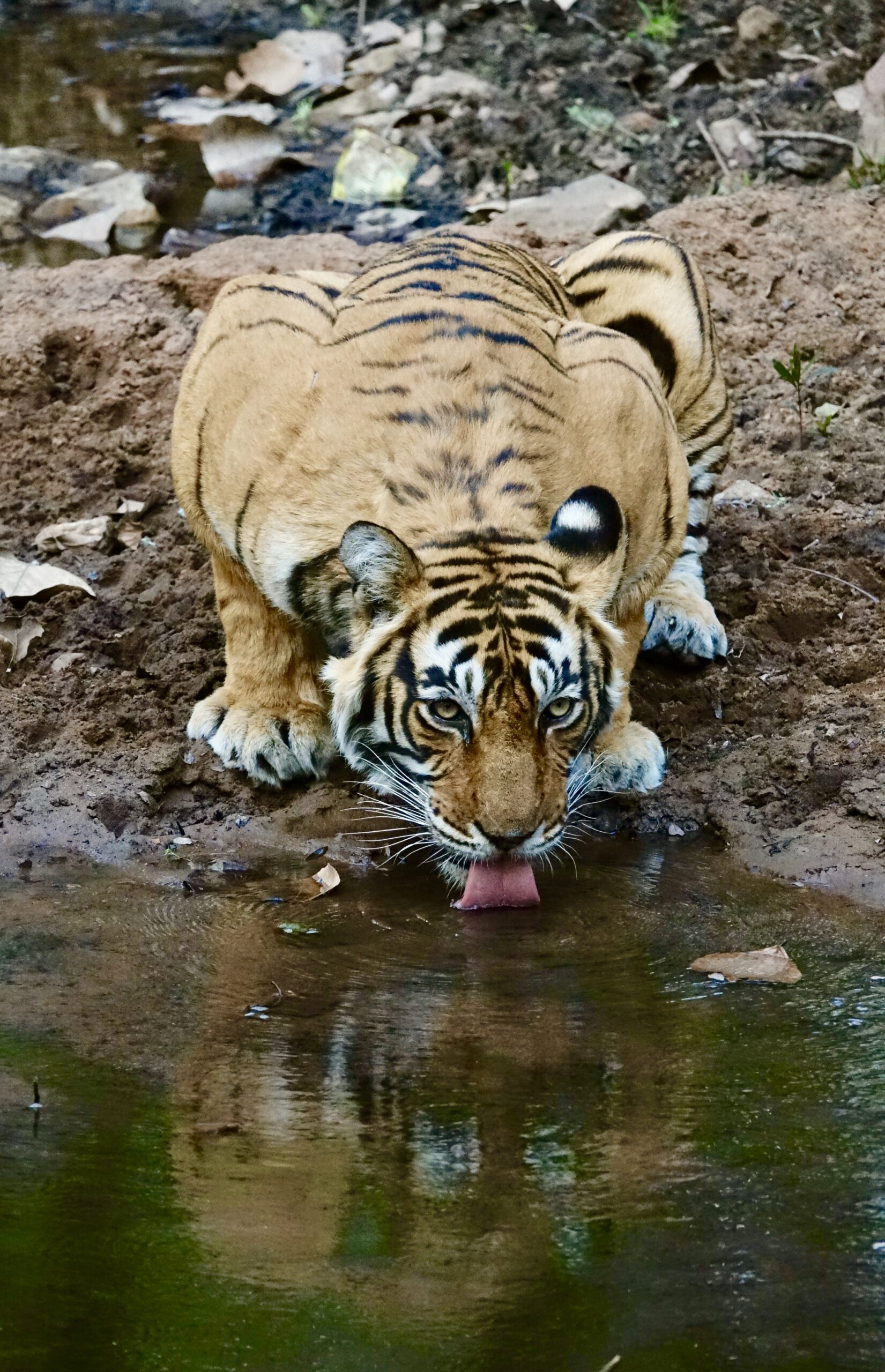
Tiger drinking water from a small pond.

Share This Page

LinkedIn
Email

Poaching is the illegal hunting or capture of animals, and it is one of the biggest threats that exist to big cats. Lions, tigers, and jaguars are facing dwindling populations as a result of the years of overhunting. Without intervention and regulation, the animals may one day not exist in the wild, or at all.

The majestic creatures may be killed for crop and livestock protection. This problem is worsening as the need for farmland grows, and deforestation enters further into animal habitats. The loss of habitat can leave the animals hungry as the bottom of the food chain dwindles, and they will enter areas populated with people. Desperate for food, the cats can target farm animals, and are often killed for this. Some cases have also been discovered where farmers killed the animals in retaliation for their previously lost livestock.

Another driving cause for the poaching of big cats is the market for illicit animal parts. Ancient Chinese medicine falsely claims that the bones, blood, and fangs of big cats have medicinal elements. The market for jaguar teeth, bones, and pelts are immense in areas of Latin America. The overhunting and therefore dwindling populations of these animals have led to something that may be even more gruesome than poaching. Farms are being found where animals are being raised in disgustingly terrible conditions so their parts can be harvested and sold. Tight cages and abusive conditions are all the animals know until they are big enough to be slaughtered for parts.

Trophy hunting is another danger facing the animals. Targeting big animals to hunt for sport has become an incredibly lucrative business globally. The African big five are the most sought-after and difficult to hunt. This list includes the lion, leopard, black rhino, African bush elephant, and African buffalo. Four out of the five animals have threatened populations (excluded is the buffalo.) People will travel from all over the world and pay thousands of dollars to kill big game in Africa.

Today, there are more tigers in captivity than in the wild. There are an estimated 5,000 in the wild and 8,000 in captivity. They can be found anywhere from backyard petting zoos to residential homes as pets. The animals are prime targets for capture by poachers, as a tiger cub can sell for thousands of dollars. The dangerous animals grow up quickly, and cannot live safe, healthy lives in these habitats. It’s important NOT to support places with activities like “playing with a white tiger cub” or allowing you to pet and take pictures with big cats. These places play a big part in the illegal wildlife trade and support the mistreatment of animals.

Big cats need to be protected for more than just their intrinsic value. They’re apex predators that play a critical role in the ecosystems they exist within, and their loss has environmental consequences. As normal climate and water patterns are also changing, these ecosystems are facing an immense threat. However, the fight to combat climate change and protect these animals is useless if they’re gone before the effects of a warming climate can even begin to affect them.

Action needs to be taken to protect big cats. Globally, there needs to be the creation and enforcement of strict poaching laws. Regulations need to be put into place to restrict the ownership of these animals, and the buying of their body parts. Those who turn to poaching often do so out of the desperate need for money; pointing to the much larger picture of poverty. Better opportunities for employment and careers must be available so people don’t have to turn to poaching in the first place. The societal structure around hunting big game and killing the Big Five needs to change, and people shouldn’t find achievement in killing species whose populations are in danger just for fun. Most importantly, conservation efforts need to be funded, so the hands-on efforts of protecting these animals can continue.


Check out our video on YouTube on efforts being made to protect the Bengal tigers in India:
 

Gold Transparency 2023 Candid badge.

GuideStar is the world’s largest source of information on nonprofit organizations.


They gather and provide access to the most comprehensive, up-to-date, and accurate nonprofit information which is available to potential funders and donors.

Less than five percent of non-profits registered with GuideStar are recognized with a Gold Seal. A Gold Seal status is the leading symbol of non-profit transparency and accountability.

Start a Community Garden

A community garden is a wonderful way to bring people together while growing fresh, healthy food. Kids can ask their school, local library, or community center if there’s space to start a garden, then invite neighbors and classmates to help plant, water, and harvest vegetables or flowers. Some gardens even donate their extra produce to food banks or share it with neighbors who need it. It’s a hands-on way to learn about nature, teamwork, and taking care of your community’s shared spaces.

SAFE Worldwide Kid's Zone

Raise Funds for Local Wildlife Center

Wildlife centers take care of injured or orphaned animals, and they always need extra support to keep helping. Kids can host a bake sale, lemonade stand, or online fundraiser, or organize a “walk-a-thon” with friends and family to raise money for a wildlife rescue near them. You could also collect donated supplies the center needs, like towels, blankets, or pet food. Even a small donation can help feed, shelter, or heal an animal in need.

SAFE Worldwide Kid's Zone

Recycling Project

Recycling projects let kids turn everyday trash into something useful — or at least keep it out of landfills! You could start a recycling bin program at your school, organize a can and bottle drive to raise money for charity, or get creative and turn old materials into art, planters, or bird feeders. You might even research your town’s recycling rules and make a poster or flyer to help neighbors recycle correctly. Small habits, like rinsing containers or separating paper from plastic, add up to a big impact when a whole community joins in.

SAFE Worldwide Kid's Zone

Booth at Local Farmers Markets

Setting up a booth at your local farmers market is a great way to get your whole neighborhood excited about helping the planet. You could raise money for a cause you care about — like a wildlife shelter, a tree-planting group, or a beach cleanup fund — by selling homemade crafts, lemonade, or baked goods. You could also use your booth to teach people about recycling, showing them fun facts or simple tips for sorting their trash the right way. It’s a great way to practice public speaking, teamwork, and making a real difference in your community.

SAFE Worldwide Kid's Zone

Beach Clean-Ups

Every year on the third Saturday of September, people around the world celebrate International Coastal Cleanup Day, and you can sign up with local groups in your community to join thousands of other volunteers picking up trash along the shore. But you don’t have to wait for that one day — cleanups can happen any time! Grab some gloves, trash bags, and a few friends, and organize your own cleanup day at a nearby river, stream, lake, or beach. It’s a fun way to hang out with friends while protecting fish, turtles, and birds from plastic and litter. Nationalcleanupday.

SAFE Worldwide Kid's Zone

Tree Planting Events

Planting trees is one of the easiest ways kids can help fight climate change and give animals a home. You can join organizations like SAFE Worldwide, One Tree Planted, or the Arbor Day Foundation, which often have kid-friendly volunteer days and even let you sponsor a tree from home. Or, team up with your family, neighbors, or scout troop to start your own mini tree-planting project in a local park, schoolyard, or empty lot (just ask permission first!). Every tree you plant helps clean the air, cool the planet, and grow into a home for birds and squirrels for years to come.

SAFE Worldwide Kid's Zone