
Western Lowland Gorilla
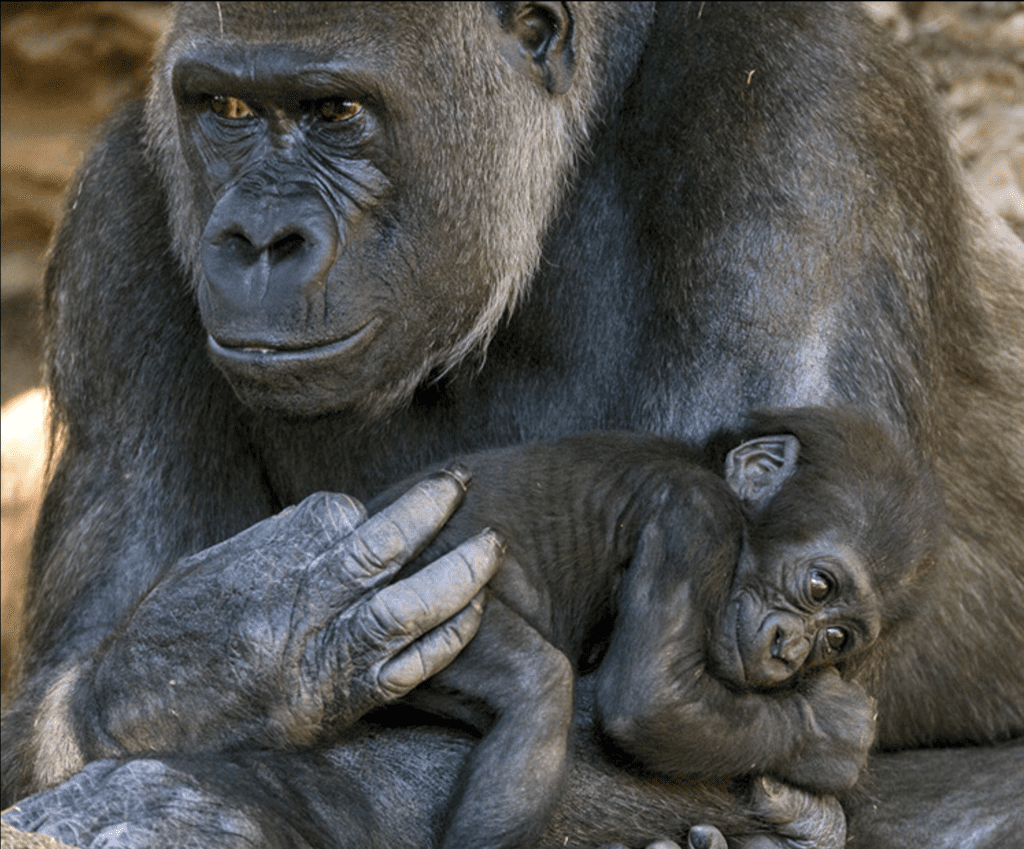
Quick Facts Official Species Name: Gorilla gorilla gorilla Estimated Population: Approximately 300,000 (declining) Conservation Status: Critically Endangered Range: Central and West Africa Reasons for Population Decline: Habitat loss, poaching, bushmeat trade, disease (Ebola), logging Unique Features The Western lowland gorilla is the smallest and most numerous of the gorilla subspecies, though its numbers are still […]
Eastern Lowland Gorilla
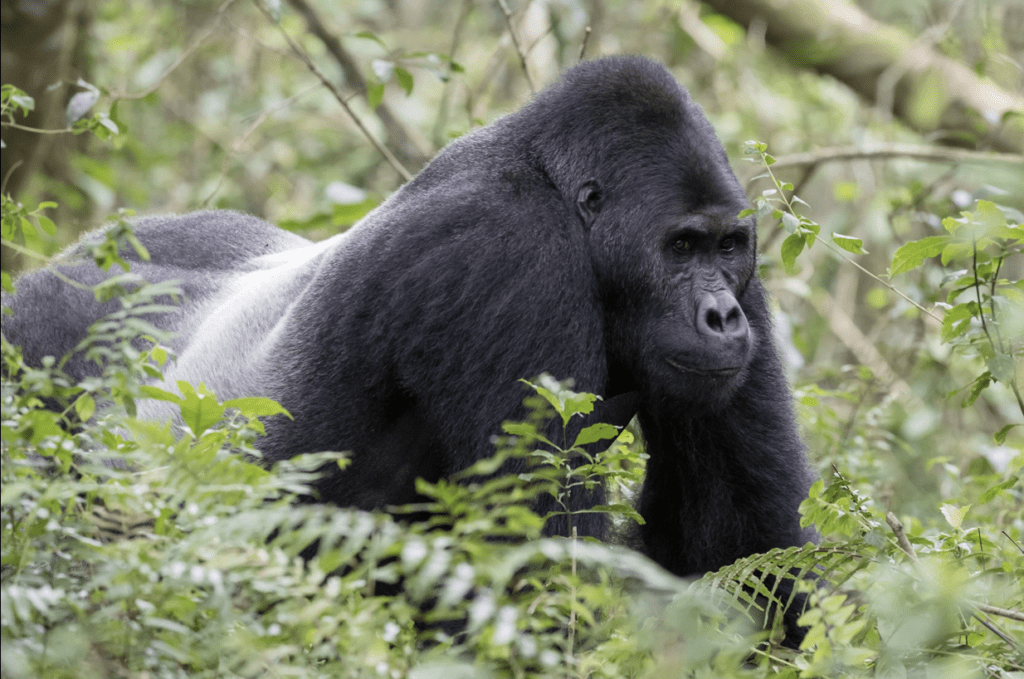
Quick Facts Official Species Name: Gorilla beringei graueri Estimated Population: Approximately 6,000 Conservation Status: Critically Endangered Range: Eastern Democratic Republic of Congo Reasons for Population Decline: Habitat loss, poaching, illegal mining, civil unrest Unique Features The Eastern lowland gorilla, also known as Grauer’s gorilla, is the largest of all gorilla subspecies. Adult males, known as […]
Chimpanzee
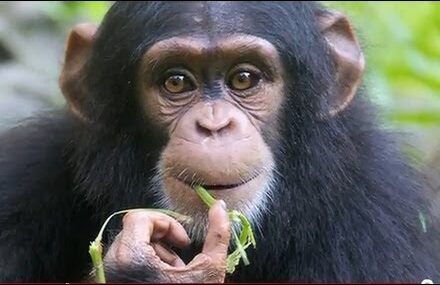
Quick Facts Official Species Name: Pan troglodytes Estimated Population: 170,000–300,000 Conservation Status: Endangered Range: West and Central Africa Reasons for Population Decline: Habitat loss, poaching, illegal wildlife trafficking, disease Unique Features Chimpanzees are our closest living relatives, sharing about 98–99% of our DNA. They have highly expressive faces, capable of showing joy, fear, anger, and […]
Cheetah
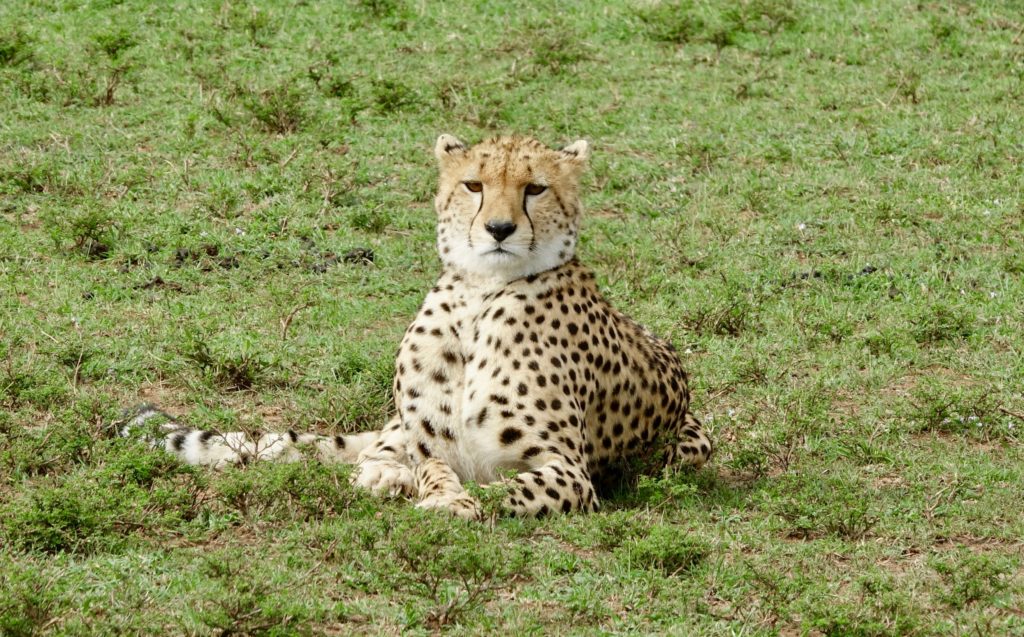
Quick Facts Official Species Name: Acinonyx jubatus Estimated Population: Approximately 7,000 in the wild Conservation Status: Vulnerable Range: Africa (small population in Iran) Reasons for Population Decline: Habitat loss, human conflict, illegal wildlife trafficking, loss of prey Unique Features The cheetah is the fastest land animal on Earth, capable of reaching speeds up to 60–70 […]
Canadian Lynx
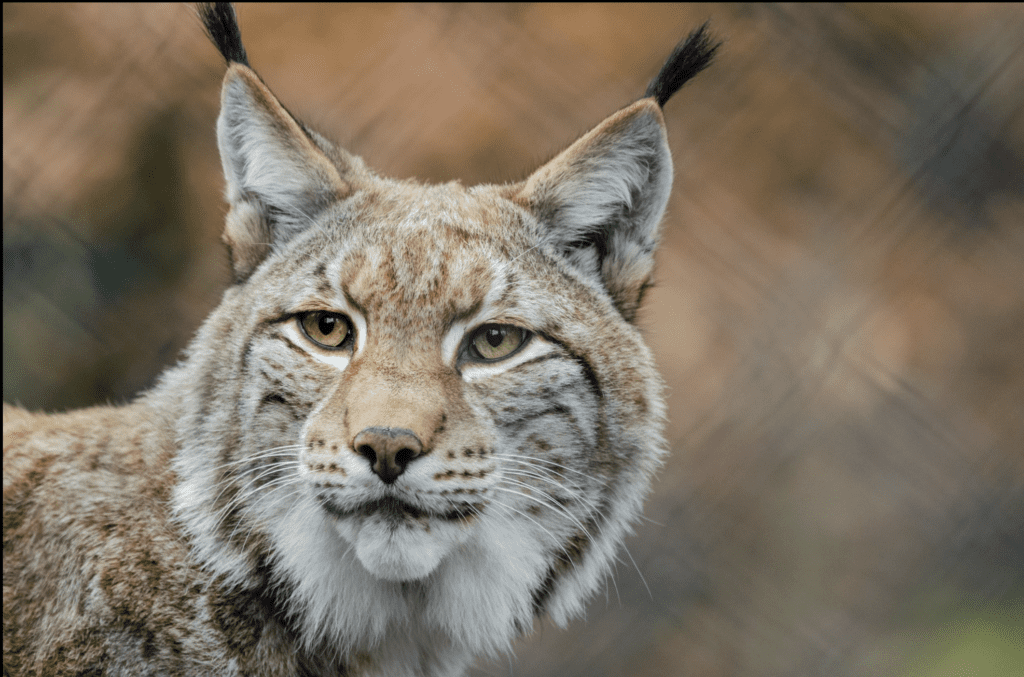
Quick Facts Official Species Name: Lynx canadensis Estimated Population: Approximately 50,000 (varies by region) Conservation Status: Least Concern globally (Threatened in parts of the U.S.) Range: North America (Canada, Alaska, northern United States) Reasons for Population Decline: Habitat loss, climate change, trapping, reduction of prey Unique Features The Canadian lynx is perfectly adapted to cold […]
Blue Whale
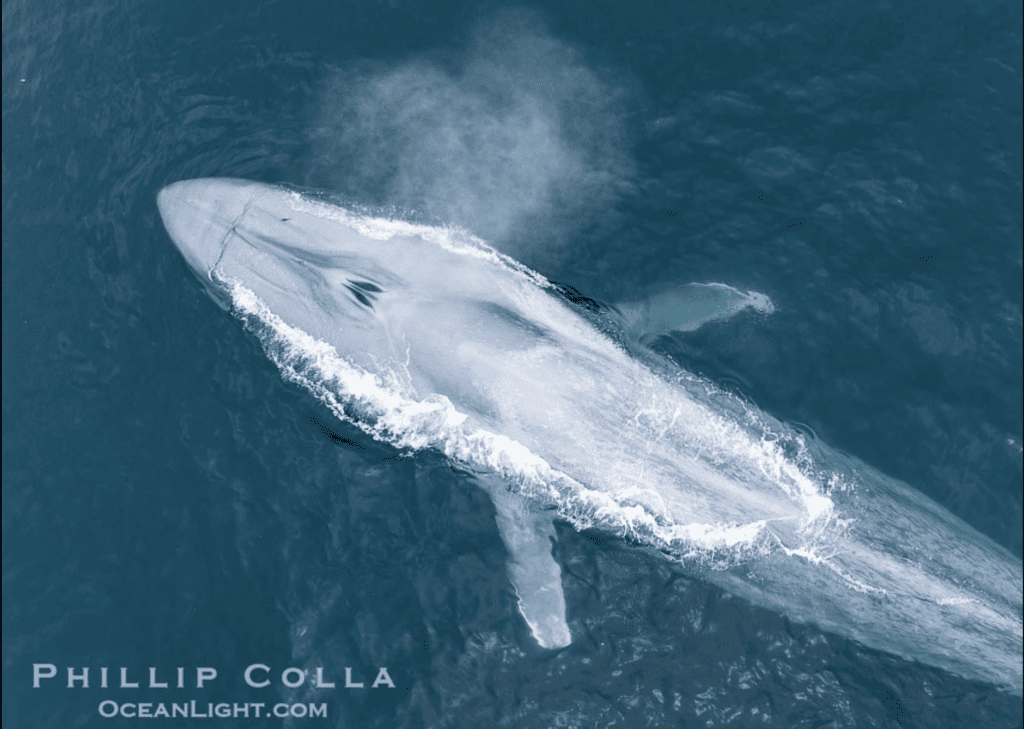
Quick Facts Official Species Name: Balaenoptera musculus Estimated Population: 10,000–25,000 worldwide Conservation Status: Endangered Range: Oceans worldwide Reasons for Population Decline: Commercial whaling, ship strikes, climate change, ocean noise, entanglement How They Survive in Their Habitat Blue whales are highly migratory marine mammals. They typically spend summers in cold, nutrient-rich polar waters where krill are […]
Arctic Fox
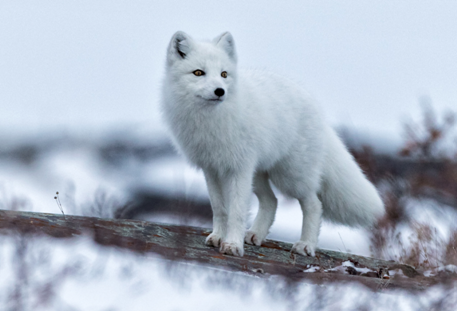
Quick Facts Official Species Name: Vulpes lagopus Estimated Population: Hundreds of thousands globally (some regional populations endangered) Conservation Status: Least Concern globally; Endangered in some regions Range: Arctic regions of North America, Europe, and Asia Reasons for Population Decline: Climate change, habitat alteration, competition, hunting Unique Features The Arctic fox is one of the most […]
Black Crested Gibbon
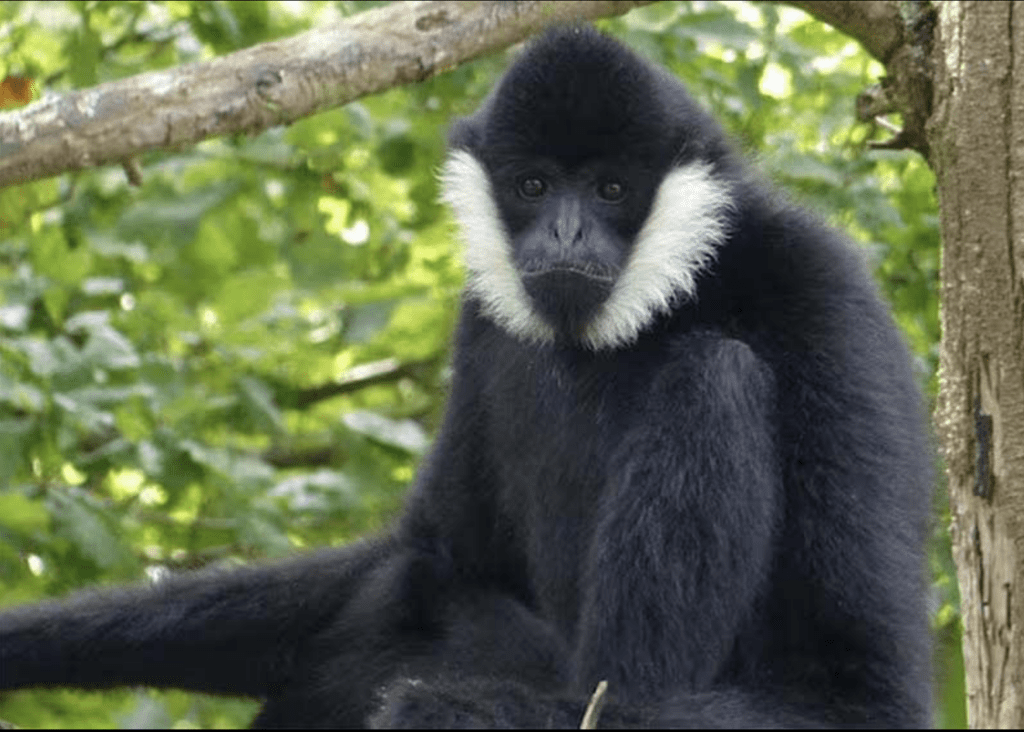
Quick Facts Official Species Name: Nomascus concolor Estimated Population: Fewer than 2,000 individuals Conservation Status: Critically Endangered Range: China, Laos, Vietnam Reasons for Population Decline: Deforestation, habitat fragmentation, hunting, illegal wildlife trafficking Unique Features Black crested gibbons are known for their haunting, melodic songs that echo across forest valleys. Mated pairs perform duets to defend […]
Beluga whale

Quick Facts Official Species Name: Delphinapterus leucas Estimated Population: ~150,000 globally (some populations critically low) Conservation Status: Least Concern globally; some populations Endangered Range: Arctic & Sub-Arctic regions Reasons for Population Decline: Climate change, pollution, industrial development, noise disturbance Unique Features Beluga whales are often called the “canaries of the sea” because of their wide […]
Bactrian Camel
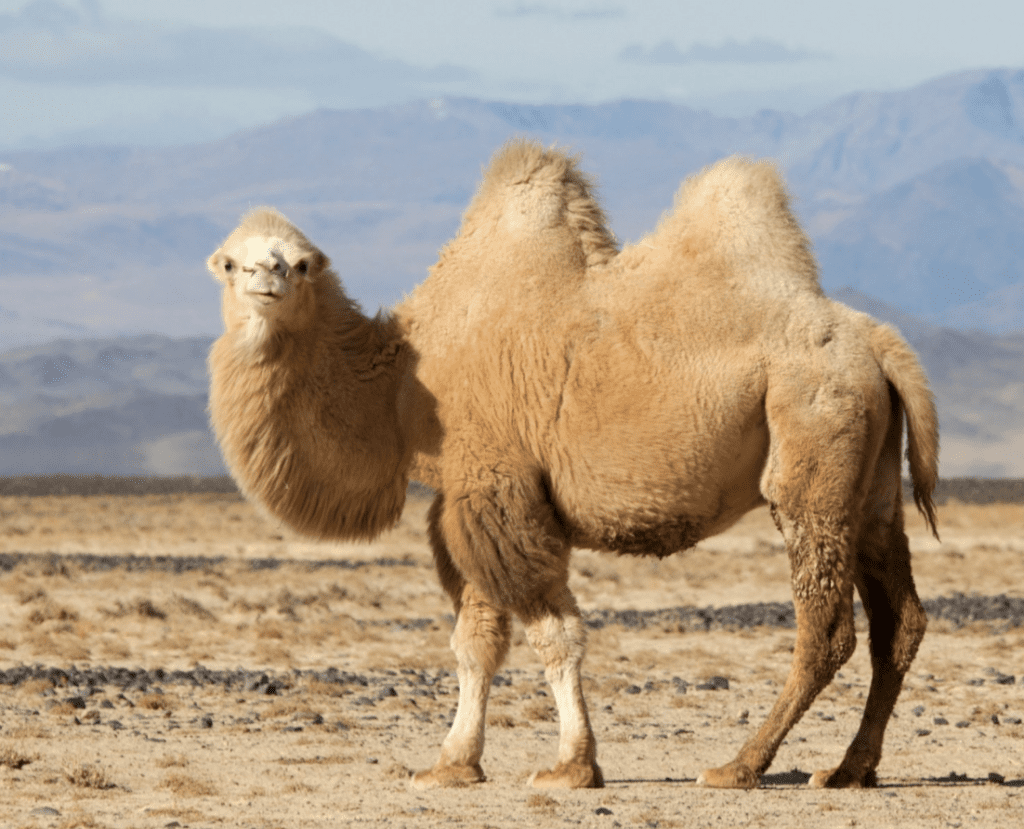
Quick Facts Official Species Name: Camelus ferus (Wild Bactrian camel) Estimated Population: Fewer than 1,000 individuals Conservation Status: Critically Endangered Range: Mongolia & China (Gobi Desert) Reasons for Population Decline: Habitat loss, poaching, competition with livestock, climate change Unique Features The wild Bactrian camel is one of the rarest large mammals on Earth and is […]