
Arctic Fox
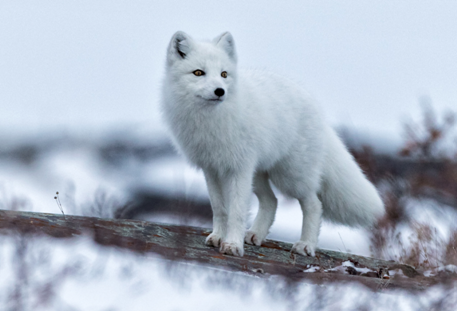
Quick Facts Official Species Name: Vulpes lagopus Estimated Population: Hundreds of thousands globally (some regional populations endangered) Conservation Status: Least Concern globally; Endangered in some regions Range: Arctic regions of North America, Europe, and Asia Reasons for Population Decline: Climate change, habitat alteration, competition, hunting Unique Features The Arctic fox is one of the most […]
Black Crested Gibbon
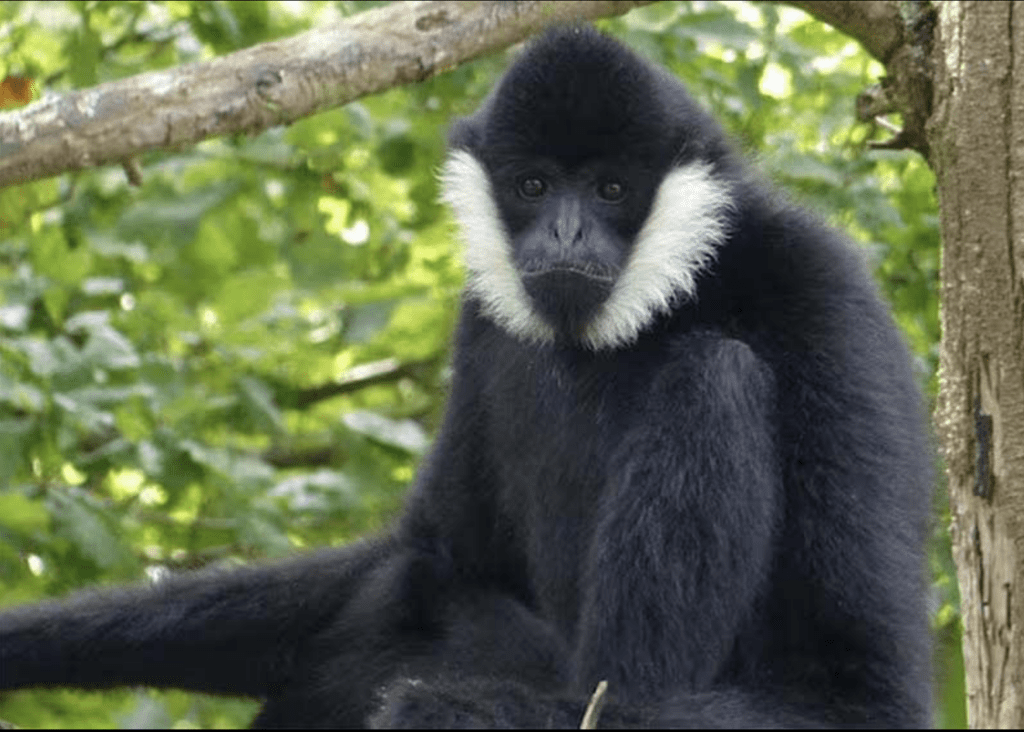
Quick Facts Official Species Name: Nomascus concolor Estimated Population: Fewer than 2,000 individuals Conservation Status: Critically Endangered Range: China, Laos, Vietnam Reasons for Population Decline: Deforestation, habitat fragmentation, hunting, illegal wildlife trafficking Unique Features Black crested gibbons are known for their haunting, melodic songs that echo across forest valleys. Mated pairs perform duets to defend […]
Beluga whale

Quick Facts Official Species Name: Delphinapterus leucas Estimated Population: ~150,000 globally (some populations critically low) Conservation Status: Least Concern globally; some populations Endangered Range: Arctic & Sub-Arctic regions Reasons for Population Decline: Climate change, pollution, industrial development, noise disturbance Unique Features Beluga whales are often called the “canaries of the sea” because of their wide […]
Bactrian Camel
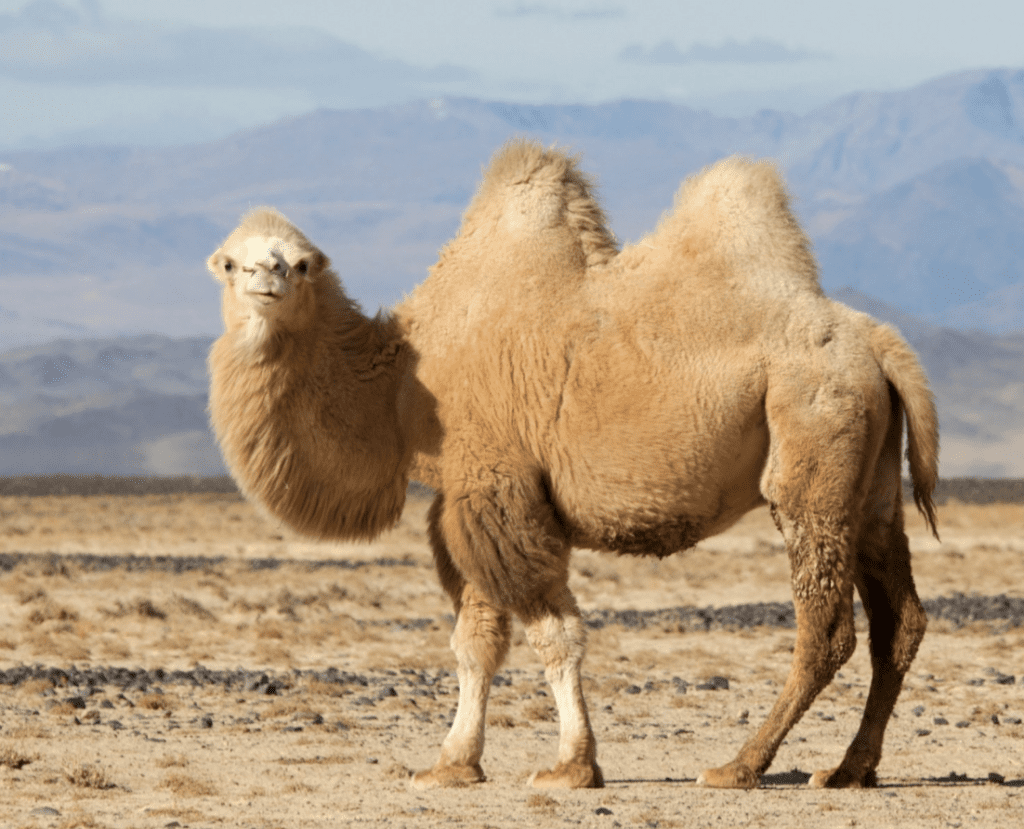
Quick Facts Official Species Name: Camelus ferus (Wild Bactrian camel) Estimated Population: Fewer than 1,000 individuals Conservation Status: Critically Endangered Range: Mongolia & China (Gobi Desert) Reasons for Population Decline: Habitat loss, poaching, competition with livestock, climate change Unique Features The wild Bactrian camel is one of the rarest large mammals on Earth and is […]
Sloth
Quick Facts Official Species Name: Bradypus (Three-toed sloths) & Choloepus (Two-toed sloths) Estimated Population: Varies by species; some populations are stable, while others (such as the pygmy three-toed sloth) have fewer than 1,500 individuals remaining Conservation Status: Ranges from Least Concern to Critically Endangered, depending on the species Range: Central & South America Reasons for […]
Black Rhino
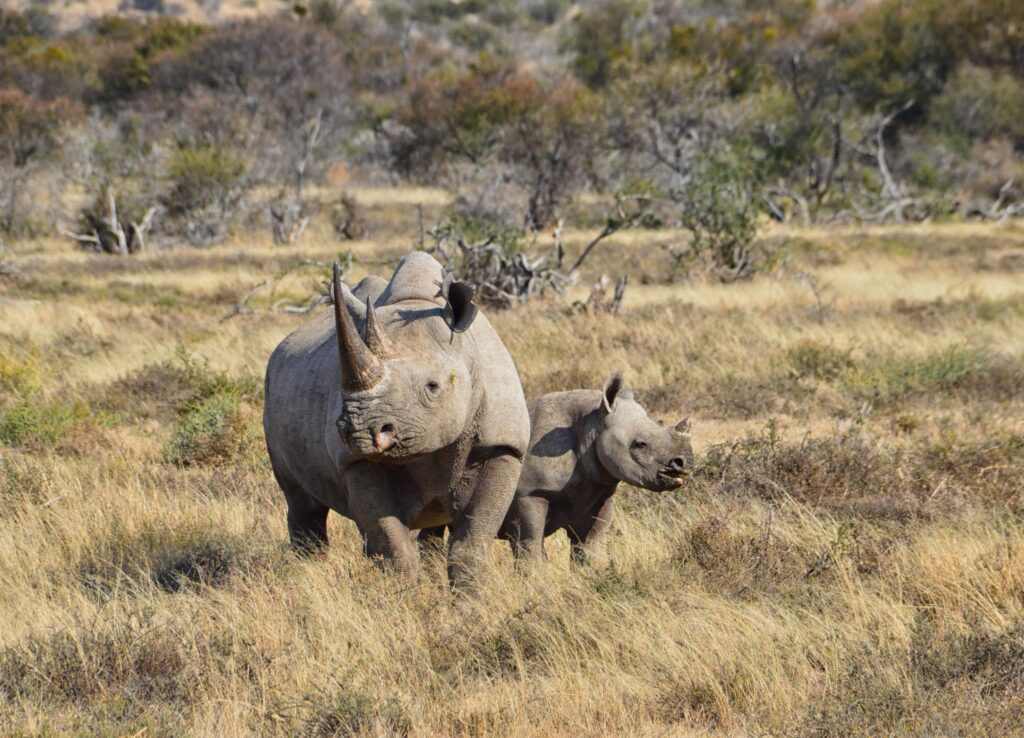
Quick Facts Official Species Name: Diceros bicornis Estimated Population: Approximately 6,000 individuals remaining Conservation Status: Critically Endangered Range: Eastern and Southern Africa Reasons for Population Decline: Poaching for horns, habitat loss, human-wildlife conflict Unique Features The black rhino is a large, powerful herbivore known for its hooked upper lip, which it uses to grasp and […]