
Sloth
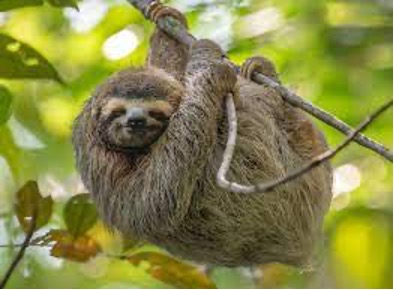
Quick Facts Official Species Name: Bradypus (Three-toed sloths) & Choloepus (Two-toed sloths) Estimated Population: Varies by species; some populations are stable, while others (such as the pygmy three-toed sloth) have fewer than 1,500 individuals remaining Conservation Status: Ranges from Least Concern to Critically Endangered, depending on the species Range: Central & South America Reasons for […]
Amur Leopard
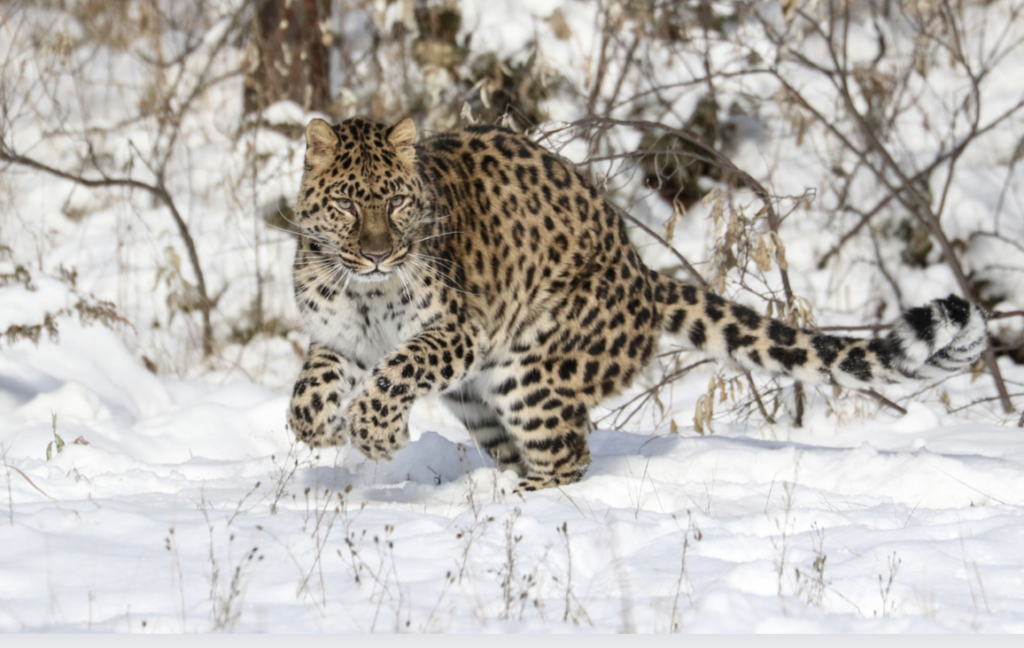
Scientific Information: Species Name: Panthera pardus orientalis Estimated Population: Approx 120 in the wild Conservation Status: Critically Endangered Range: Eastern Russia, Northern China, possibly Northern Korea Reasons for population decline: Habitat loss, deforestation, poaching Unique Features The Amur leopard is one of the rarest big cats in the world and the northernmost subspecies of […]
Amazonian River Dolphin
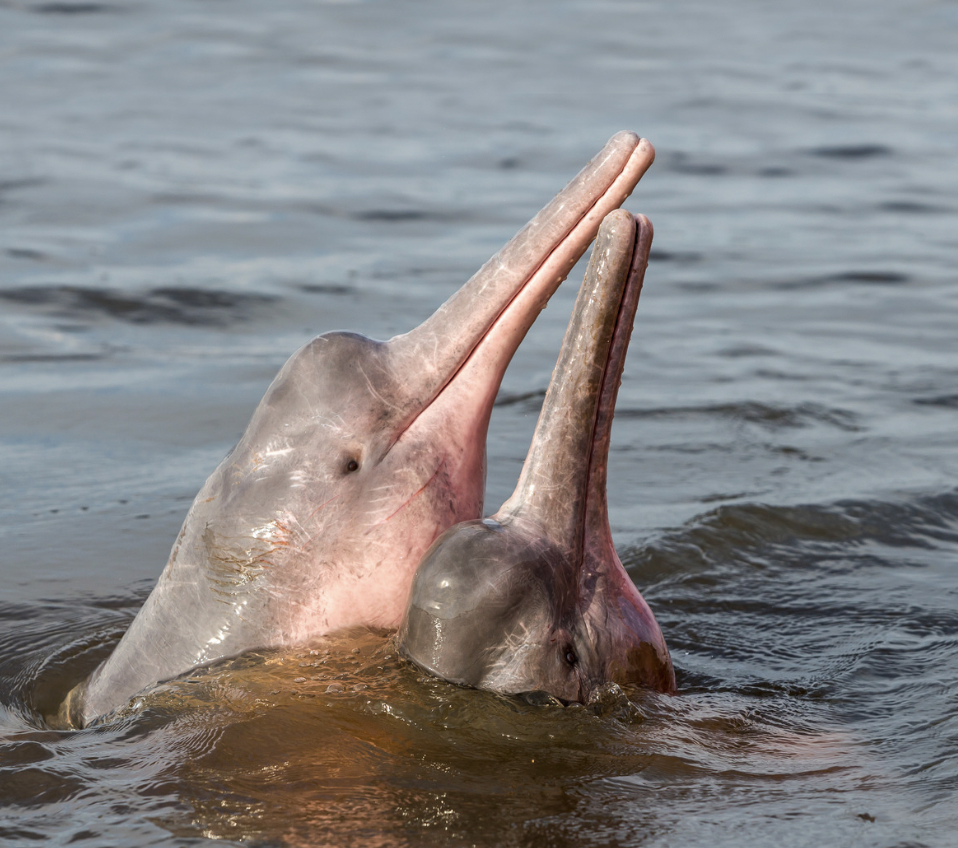
Quick Facts Official Species Name: Inia geoffrensis Estimated Population: Unknown; declining across much of its range Conservation Status: Endangered Range: Amazon & Orinoco River basins (South America) Reasons for Population Decline: Bycatch, illegal fishing practices, habitat degradation, pollution, dam construction Unique Features The Amazonian river dolphin — often called the boto — is one of […]
Black Rhino
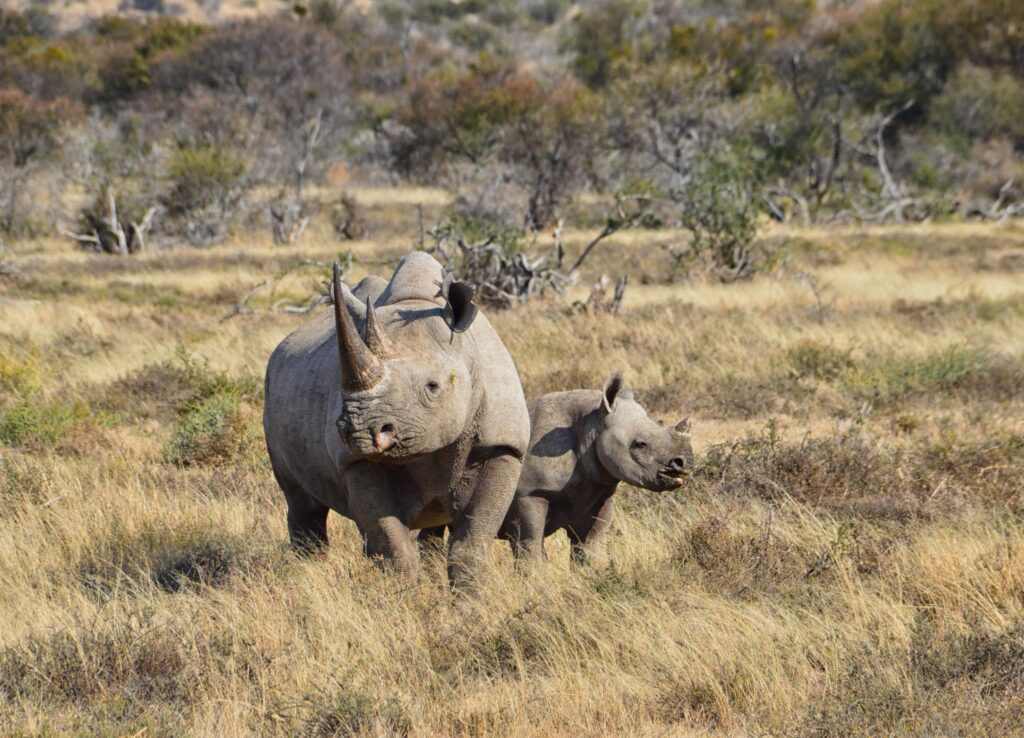
Quick Facts Official Species Name: Diceros bicornis Estimated Population: Approximately 6,000 individuals remaining Conservation Status: Critically Endangered Range: Eastern and Southern Africa Reasons for Population Decline: Poaching for horns, habitat loss, human-wildlife conflict Unique Features The black rhino is a large, powerful herbivore known for its hooked upper lip, which it uses to grasp and […]
Addax Antelope
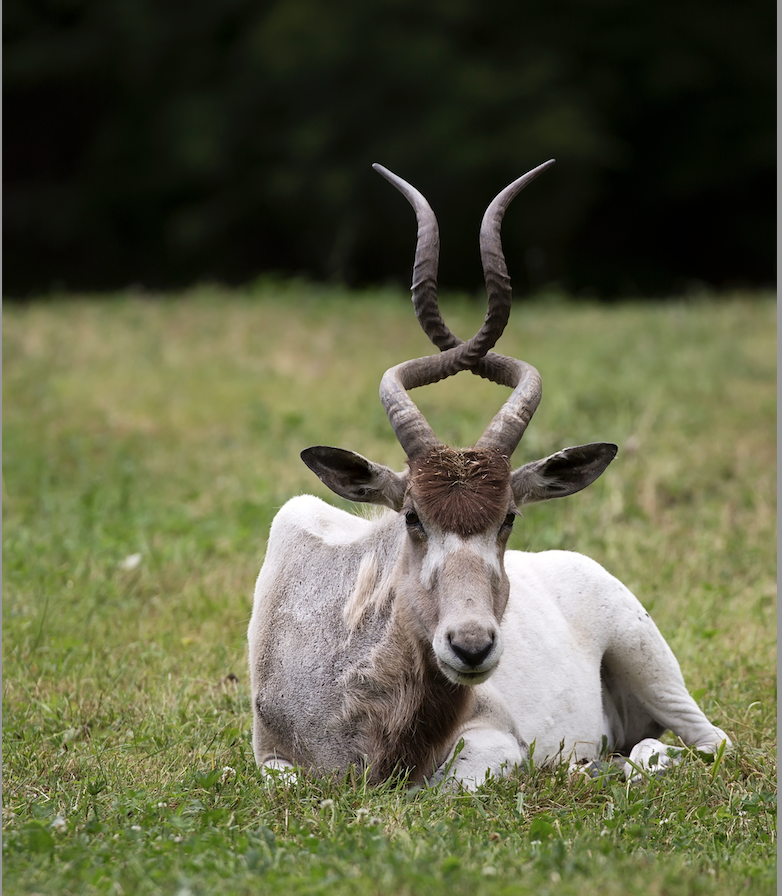
Quick Facts Official Species Name: Addax nasomaculatus Estimated Population: 50–100 individuals in the wild Conservation Status: Critically Endangered Range: Northern Africa (Chad, Niger, Sahara Desert) Reasons for Population Decline: Habitat loss, poaching, hunting, roadkill, oil development Unique Features The addax antelope is one of the most desert-adapted large mammals on Earth. Its long, spiraled horns—present […]