Quick Facts
• Official Species Name: Procyon pygmaeus
• Estimated Population: Approximately 200–300 individuals
• Conservation Status: Critically Endangered
• Range: Cozumel Island, Mexico
• Reasons for Population Decline: Habitat loss from development, hurricanes, invasive species, disease
Unique Features
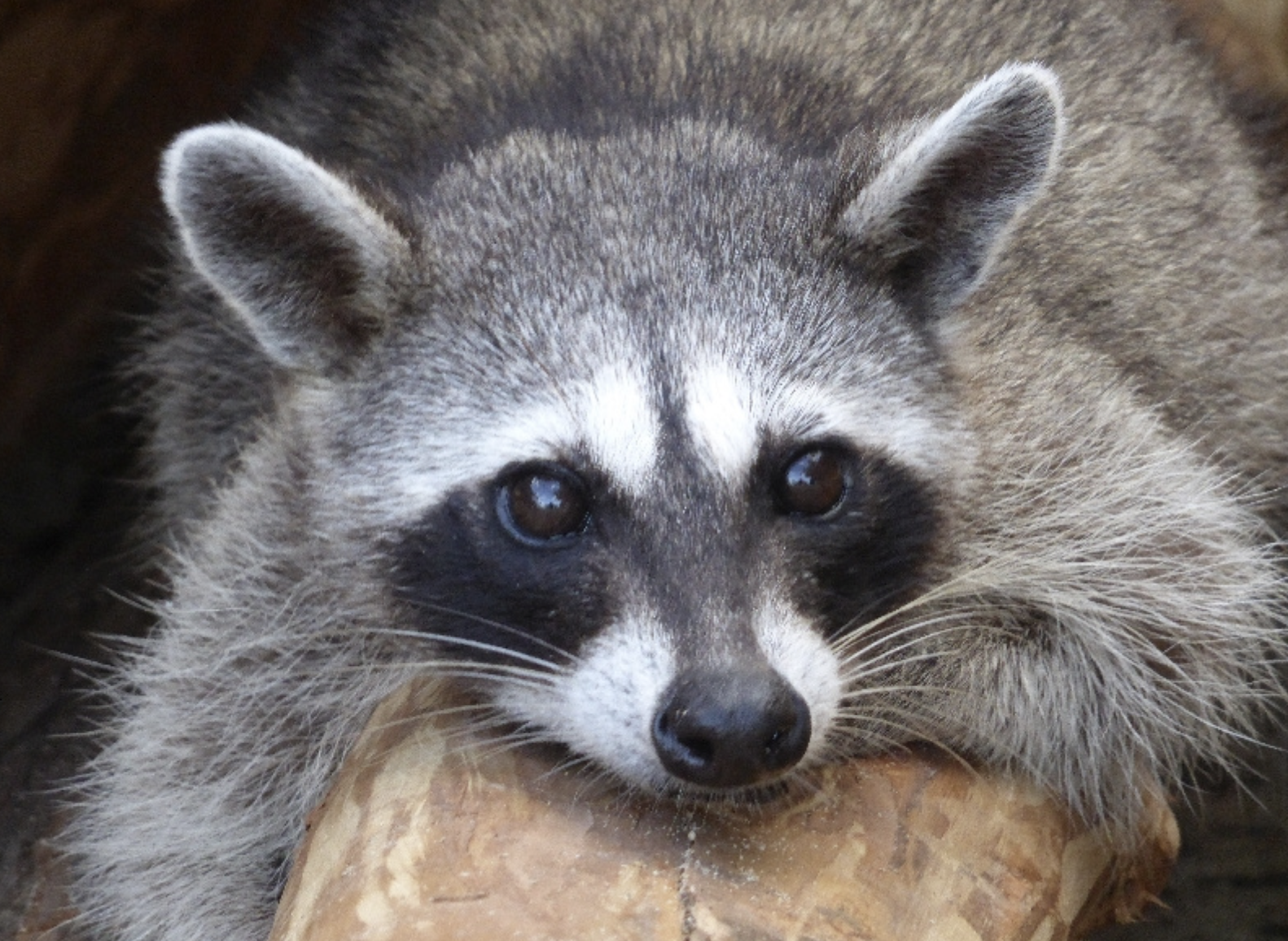
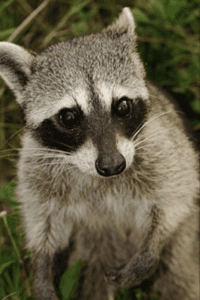
The pygmy raccoon is significantly smaller than its mainland relative, the common raccoon, weighing only about 6–9 pounds (3–4 kg). It has the familiar black facial mask and ringed tail, but its body is more slender and its snout slightly narrower. As an island endemic species found only on Cozumel, it has evolved unique adaptations to coastal and mangrove environments. Its dexterous front paws allow it to manipulate food skillfully, especially when foraging for crabs and other shoreline prey. Because it evolved in isolation, the pygmy raccoon has lower genetic diversity than widespread raccoon species, making it especially vulnerable to environmental changes and disease.
How They Survive in Their Habitat
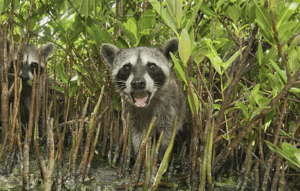
Pygmy raccoons primarily inhabit mangrove forests, coastal lagoons, and tropical dry forests on Cozumel Island. They are mostly nocturnal, foraging at night for crabs, insects, fruits, small vertebrates, and eggs. Their strong climbing abilities help them access food in trees and avoid danger on the ground. Mangrove ecosystems are particularly important because they provide both shelter and reliable food sources. These raccoons are opportunistic feeders, adapting their diet seasonally depending on what is available. Freshwater access is limited on the island, so they often rely on natural pools and seasonal rainfall.
Family Life
Pygmy raccoons are generally solitary animals, coming together only during breeding season. After a gestation period of about 60–65 days, females give birth to litters of 2–4 kits in tree hollows, dense vegetation, or sheltered ground nests. The mother raises the young alone, nursing and protecting them until they are old enough to forage independently. Juveniles stay with their mother for several months, learning where to find food and how to navigate their habitat safely. Because the overall population is so small, successful reproduction is critical for the survival of the species.
Why They Are Threatened
The pygmy raccoon faces multiple threats due to its extremely limited range. Tourism development and expanding infrastructure on Cozumel have reduced and fragmented critical habitat, especially mangroves and coastal forests. Hurricanes, which are common in the Caribbean, can devastate both habitat and food sources in a single event. Invasive species such as domestic dogs and cats prey on raccoons and compete for resources. Disease transmission from introduced animals poses an additional risk to the small population. With such a restricted geographic range, any environmental disturbance can have outsized consequences.
Ten Fun Facts
-
The pygmy raccoon exists only on Cozumel Island.
-
It is one of the rarest carnivorous mammals in the world.
-
It is much smaller than the common raccoon.
-
Mangrove forests are essential to their survival.
-
It has highly dexterous front paws for handling food.
-
It is primarily nocturnal.
-
Hurricanes can drastically affect their population.
-
It plays a role in controlling crab and insect populations.
-
Its population size is estimated in the low hundreds.
-
It is considered a flagship species for conservation on Cozumel.
What You Can Do to Help
• Support conservation programs focused on island ecosystems.
• Promote responsible and sustainable tourism in coastal regions.
• Protect mangrove habitats and coastal wetlands.
• Support invasive species management efforts.
• Avoid introducing non-native animals to island environments.
• Raise awareness about endemic species found nowhere else on Earth.