Quick Facts
• Official Species Group: Genus Acropora
• Estimated Species: Over 150 species worldwide
• Conservation Status: Many species listed as Vulnerable, Endangered, or Critically Endangered
• Range: Tropical and subtropical oceans worldwide, especially the Caribbean and Indo-Pacific
• Reasons for Population Decline: Ocean warming, coral bleaching, ocean acidification, pollution, destructive fishing practices
Unique Features
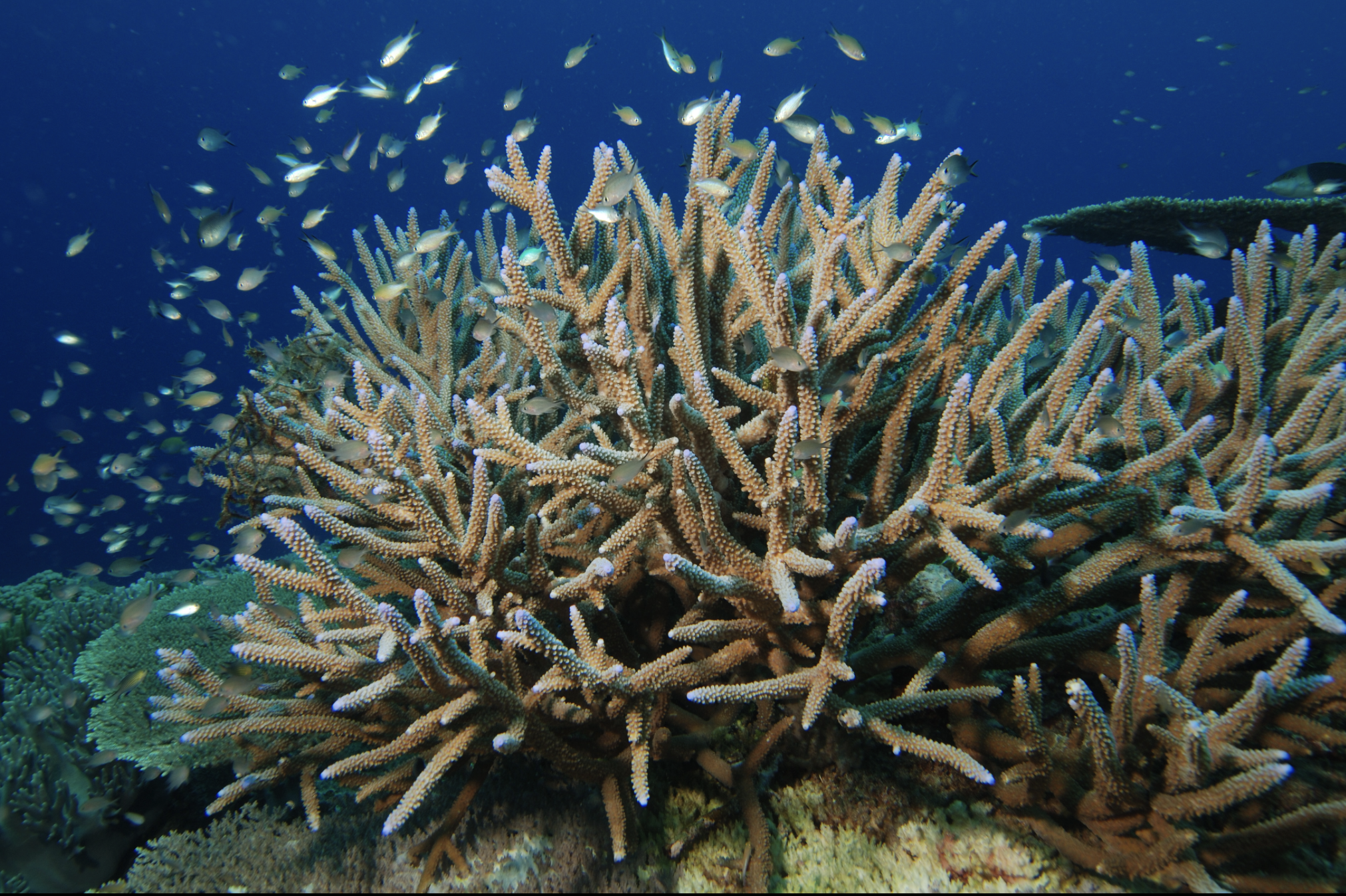
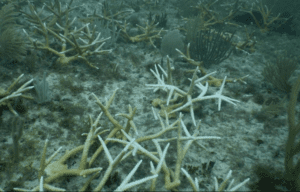
Staghorn corals are fast-growing, branching corals that resemble the antlers of a deer. Their complex, three-dimensional structures create essential shelter and nursery habitat for fish, crustaceans, and countless other marine species. Each coral colony is made up of thousands of tiny animals called polyps, which secrete calcium carbonate to build hard skeletons. These corals have a vital symbiotic relationship with microscopic algae called zooxanthellae that live within their tissues. The algae provide energy to the coral through photosynthesis, while the coral provides protection and access to sunlight. This partnership is the foundation of coral reef ecosystems.
How They Survive in Their Habitat
Staghorn corals thrive in clear, shallow, sunlit waters where sunlight can penetrate easily. Because they depend on photosynthetic algae for much of their energy, water clarity and temperature stability are critical. They grow relatively quickly compared to many other coral species—sometimes up to 8 inches (20 cm) per year—which historically allowed reefs to recover from storms and natural disturbances. Their branching structure also helps dissipate wave energy, protecting coastlines from erosion. When conditions are optimal, staghorn coral colonies can form dense underwater “forests” that support extraordinary biodiversity.
Family Life
Although corals may look like plants or rocks, they are colonial animals. A single colony consists of genetically identical polyps connected by living tissue. Staghorn corals reproduce both sexually and asexually. During mass spawning events, colonies release eggs and sperm into the water column simultaneously, increasing the chance of fertilization. Fertilized larvae drift with ocean currents before settling onto hard surfaces and forming new colonies. They can also reproduce through fragmentation—when a branch breaks off due to storms, it can reattach to the reef and grow into a new colony.
Why They Are Threatened
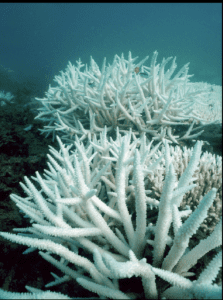
Staghorn corals are extremely sensitive to rising ocean temperatures. When water becomes too warm, they expel their symbiotic algae, causing coral bleaching. Without the algae, corals lose their primary energy source and may die if stressful conditions persist. Ocean acidification weakens their ability to build strong skeletons. Pollution from agricultural runoff, coastal development, and sedimentation reduces water clarity and smothers reefs. Overfishing disrupts reef balance, and destructive fishing practices physically damage coral structures. Because reefs depend on living coral as their foundation, declines in staghorn coral have cascading effects across entire marine ecosystems.
Ten Fun Facts
-
Staghorn coral can grow faster than many other coral species.
-
Coral reefs support about 25% of all marine life.
-
Corals are animals, not plants.
-
Their algae give them much of their color.
-
Coral spawning events can occur in synchronized “underwater snowstorms.”
-
Reefs protect shorelines from storm surge.
-
Fragmented branches can regrow into new colonies.
-
Healthy reefs are vital to fisheries and tourism.
-
Coral skeletons form from calcium carbonate.
-
Some coral reefs are thousands of years old.
What You Can Do to Help
• Reduce your carbon footprint to combat climate change.
• Avoid reef-harming sunscreens that contain harmful chemicals.
• Reduce plastic waste and prevent ocean pollution.
• Support marine protected areas.
• Practice responsible diving and snorkeling.
• Advocate for policies that protect ocean ecosystems.