Quick Facts
-
Official Species Name: Lynx canadensis
-
Estimated Population: Approximately 50,000 (varies by region)
-
Conservation Status: Least Concern globally (Threatened in parts of the U.S.)
-
Range: North America (Canada, Alaska, northern United States)
-
Reasons for Population Decline: Habitat loss, climate change, trapping, reduction of prey
Unique Features
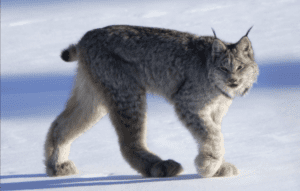
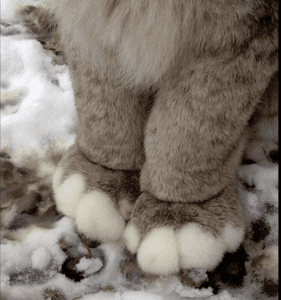
The Canadian lynx is perfectly adapted to cold northern forests. One of its most distinctive features is its oversized, furry paws, which act like natural snowshoes. These large paws distribute its weight evenly, allowing it to walk easily across deep snow where other predators might struggle.
Its thick, dense fur provides insulation against harsh winter temperatures, and its coat becomes lighter and grayer in winter for camouflage in snowy landscapes.
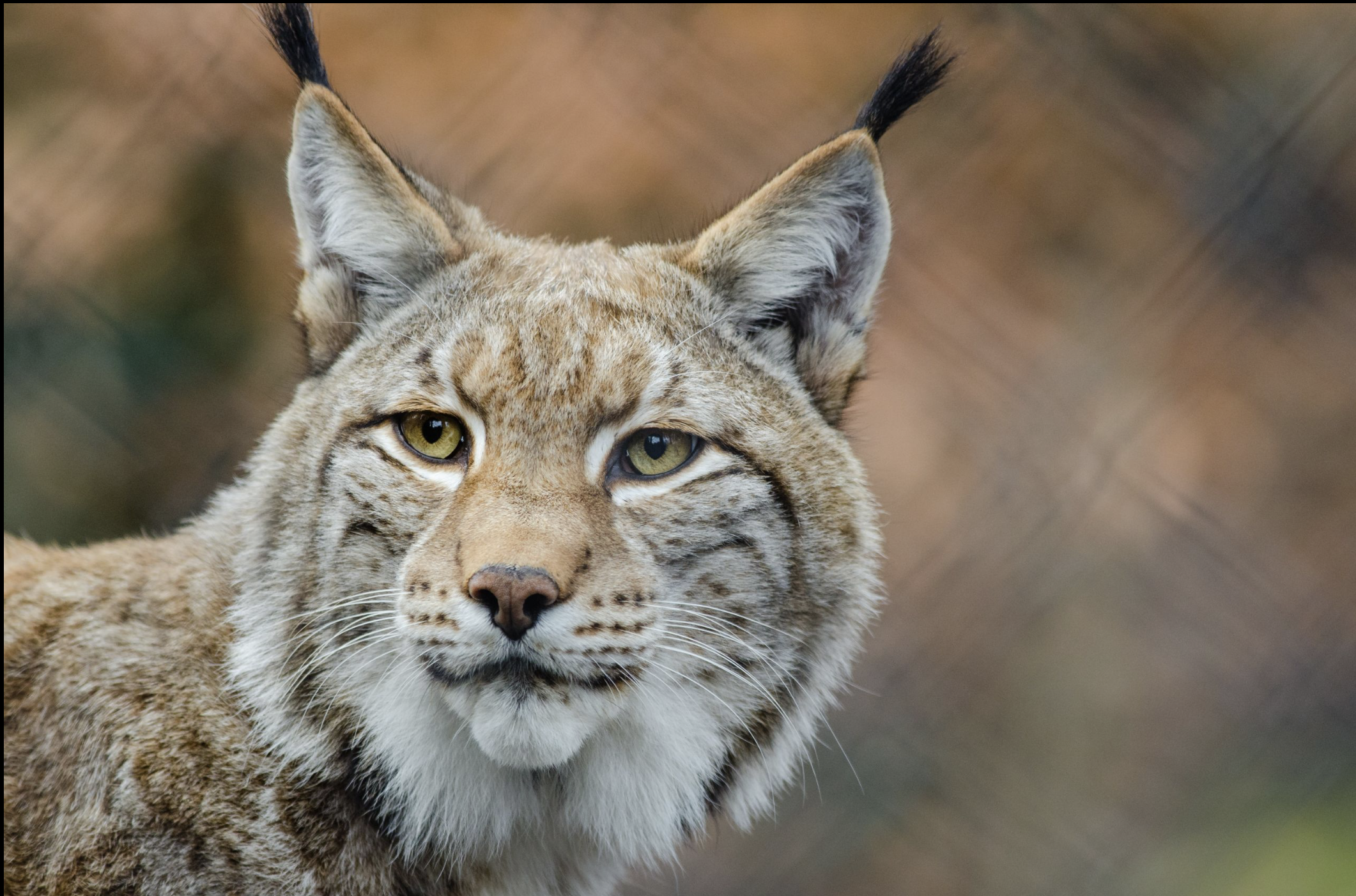
The lynx also has long black ear tufts that enhance its acute hearing, helping it detect prey beneath snow. Its short, black-tipped tail and long legs further distinguish it from similar wild cats.
How They Survive in Their Habitat
Canadian lynx live primarily in boreal forests filled with dense conifer trees and heavy snowfall. Their survival is closely tied to one primary prey species—the snowshoe hare. In fact, lynx populations rise and fall in cycles that closely mirror hare population cycles.
They are solitary, stealthy hunters that rely on patience and camouflage. Using their keen hearing and eyesight, they stalk prey silently before pouncing with powerful hind legs. Their thick fur and compact body conserve heat, allowing them to remain active even in extremely cold temperatures.
Because they are adapted for snowy environments, deep snow actually gives them an advantage over competing predators like coyotes, which may have difficulty moving through it.
Family Life
Canadian lynx are generally solitary animals, except during mating season or when females are raising kittens. Breeding occurs in late winter, and after a gestation period of about two months, females give birth to litters of one to four kittens.
Kittens are born blind and helpless, relying entirely on their mother for warmth and nourishment. The mother raises them alone, teaching them hunting skills and survival techniques. By the following winter, young lynx begin to disperse and establish their own territories.
Territories can be large and are often determined by prey availability, especially snowshoe hare populations.
Why They Are Threatened
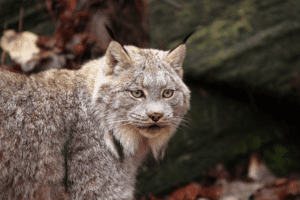
Although the Canadian lynx is not globally endangered, certain populations—particularly in the contiguous United States—are considered threatened.
Habitat loss from logging, development, and road construction reduces the dense forest cover they rely on for hunting and shelter. Climate change poses a growing threat, as reduced snowfall may give competing predators like bobcats and coyotes a greater advantage.
Trapping for fur has historically impacted lynx populations, though regulations now exist in many areas. Because their survival is so closely linked to snowshoe hare cycles, any environmental changes affecting hare populations also directly impact lynx numbers.
Ten Fun Facts
-
The Canadian lynx’s paws can be twice the size of a bobcat’s paws.
-
They can leap up to 25 feet (7.5 meters) in a single bound.
-
Their population numbers closely follow 10-year cycles of snowshoe hare populations.
-
They have excellent night vision for hunting in low light.
-
Their ear tufts help improve their ability to detect sounds.
-
A lynx’s thick fur covers even the bottoms of its paws.
-
They are strong swimmers despite living in cold climates.
-
Lynx rarely roar—instead, they produce soft meows and growls.
-
They can survive temperatures well below -30°F (-34°C).
-
Deep snow gives them a hunting advantage over many other predators.
What Can You Do to Help?
-
Support forest conservation efforts that protect boreal habitats.
-
Advocate for sustainable logging practices.
-
Support climate action initiatives to preserve cold, snowy ecosystems.
-
Respect wildlife corridors and protected areas.
-
Promote responsible trapping regulations and enforcement.
-
Support organizations monitoring lynx and snowshoe hare populations.
-
Educate others about the importance of protecting northern forest ecosystems.