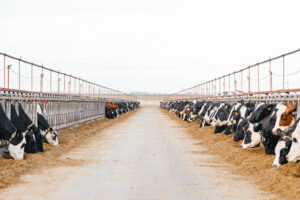


This year, the global population of cows hit 1 billion. Agriculture and food production is one of the biggest markets in the world. The meat-rich diets that have been adopted and increasing populations in recent years have accelerated the rate at which the environment is damaged in the process of food production. The global environmental impact of producing food is immensely complex. There is land use, direct and indirect air emissions, water use and water pollution to consider when evaluating the effects that your food has on the planet. When looking at solutions to this problem, adopting more plant-based diets is the one that could make the biggest difference.
Emissions
The increase in greenhouse gasses in the atmosphere is the cause of climate change. Food production is responsible for 35% of greenhouse gas emissions globally. Raising livestock is responsible for much of this, as the process can emit methane, nitrous oxide, and carbon dioxide. This comes from harvesting, transporting of animal feed, and excretions from the animals themselves. Eating diets that are full of animal products will have a significantly larger carbon footprint than plant-based diets.
Water Use
A major component in food production that is often overlooked is water use. Up to 70% of freshwater use is for agriculture in most areas of the world. It takes almost 2,000 gallons of water to produce 1 lbs of beef. One of the biggest contributing factors of this is the water used in producing feed. The freshwater withdrawal for agriculture is thought to be 50% higher than what would be sustainable. Grain production, including rice, is responsible for around half of this water use. This is because of the sheer quantity produced. Grains are some of the most popular crops globally for consumption, but are also harvested for livestock feed.
Phosphorus, nitrogen, and many other chemicals are by-products of agriculture, and are causing issues in the form of water pollution as they get caught in run-off. Animal-based foods are responsible for up to a quarter of phosphorus and nitrogen use, as well as a tenth of water use.
Land Use
Half of the habitable land on the planet is used for agriculture. Of this, roughly 85% is used for food production related to animals. Deforestation and destruction of biodiversity are the by-products of our meat-dependent diets. No place is safe from the ravages of agriculture; the Amazon rainforest is losing around 10,000 acres a day. Much of the destruction is in the form of logging and fires, making room for farm land.
Having the land to grow food is not all that is needed to cultivate crops, nutrient rich soil must be present. Topsoil, the uppermost layer of soil, harbors the microbes and minerals needed for successful plant growth. It also helps filter ground water, and is a natural carbon sequester. However, unsustainable agricultural practices have stripped the land of the topsoil at a rate that cannot be matched by replenishment. In the U.S. it is estimated that topsoil is being stripped 10 times faster than it is being replenished, leaving barren land that is unable to cultivate crops. Not only are we barreling towards a future with not enough cropland, the food grown may not contain the vital nutrients that it does today.
One of the easiest ways to mitigate your carbon and water footprint is through your diet. There is also scientific evidence that animal-based foods are much less healthy than plants. Red meat, for example, is classified as a known carcinogen. Swapping out your morning eggs and bacon for plant-based alternatives may not just be better for the animals, it could benefit your long term health as well. Saying no to animal products also allows you to stand up to the animal cruelty in the farming and dairy industres. Here are some tips to help you start your environmentally friendly diet:
- Start with manageable objectives such as participating in meatless monday, or opting for a veggie burger rather than a cheeseburger
- If you’re going to eat meat, support for free-range and pasture range options that offer the animals better lives. Do your research into the companies to see if they practice sustainable farming
- That can of tuna probably contains more than just tuna; get your fish from the source. Look for local markets that practice sustainable catch and comply with local fishing laws
- Cut down on your waste. The water, carbon, and unethical practices that go into making your food are all for a waste if they aren’t even consumed. Try to only buy foods you know you will get eaten
- Eat local! Support your local farmers and fishermen. The food will be fresher, the carbon footprint will be smaller because there is less transportation, and the money will go back into your local economy rather than in a big corporations pocket.
The reality is that humans have adopted a meat-rich diet that the earth cannot sustain long-term. The idea that we need dairy and red-meat to be healthy is a cultural issue that will take time to heal; the best you can do for yourself is your own research to find a diet that meets your needs. The emissions, water, air and land pollution that are a result of manufacturing food are policy issues that require a change on a bigger scale. However, you can do your part by not supporting unsustainable practices and lowering your own carbon and water footprints.
Every aspect of our lives rely on the environment. The air we breath, and the food we eat; it’s important that we all do our part to sustain it in the ways we can and protect it for generations to come.