


Our Tool to Save Them All
Species on Earth continue to dwindle toward extinction due to disease, human actions, and other factors. We must protect species native to our own country and around the world. The Endangered Species Act plays a vital role in protecting these species by mitigating the factors that affect their survival.
What is the Endangered Species Act?
In 1973, the United States passed the Endangered Species Act (ESA) to prevent extinction by protecting endangered plant and animal species and their ecosystems. The Department of the Interior, Department of Commerce, and Department of Agriculture all oversee the ESA, with certain agencies–US Fish and Wildlife Service (USFWS) and National Marine Fisheries Service (NMFS)–specifically responsible for implementing it. These agencies are led by scientists and conservationists who understand what is necessary to support species’ survival.
How Does the ESA work?
A species may be considered for ESA protections after the USFWS and NMFS begin the process themselves or after state agencies, the public, or organizations petition for the species’ protection. Then comes a lengthy scientific and public review to determine whether the species meets ESA criteria. It must be, among other things, “threatened”–likely to become endangered in the near future–or “endangered”–currently facing extinction.
Once a species is added to the Endangered Species List, the USFWS and NMFS must assign a critical habitat and recovery plan. Critical habitat is an area inhabited by the species or an undisturbed area that is ideal for the species’ population growth, reproduction, breeding, and rearing offspring. It should have adequate shelter, water, and food sources to ensure all the species’ survival needs are met. Designating critical habitat does not affect private land or create wildlife refuges but prevents the US government from using that land in a way that would compromise the species’ recovery. A recovery plan includes the cost, management, and schedule necessary to bring a species back to a population stable enough to be delisted.
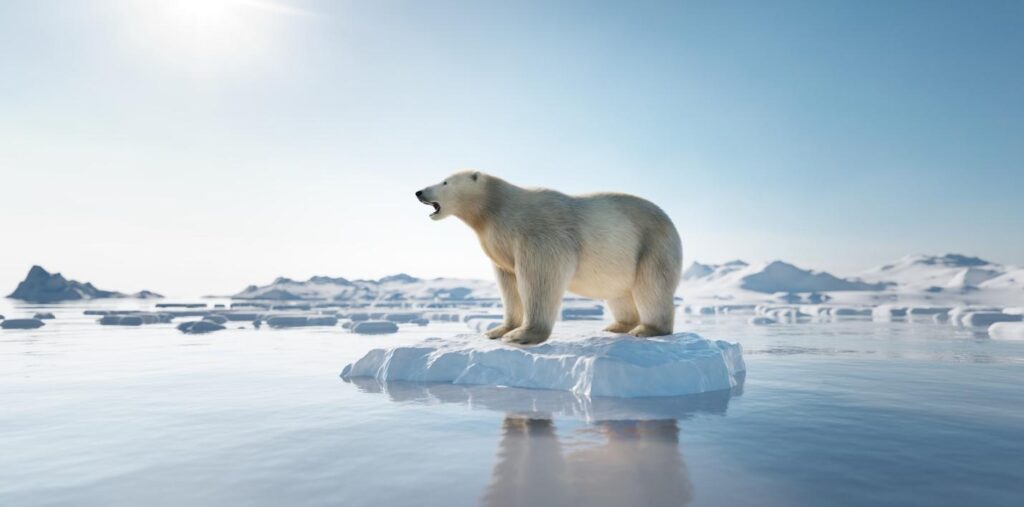
For example, polar bears (Ursus maritimus) were listed in 2008 as a threatened species protected under the ESA. In 2011, the USFWS finalized their critical habitat on the Alaskan coast, barrier islands, and surrounding ocean. These areas provide polar bears with access to sea and ice habitat, nutrition sources, dens for offspring and protection, and space that is currently free of houses, roads, and other human infrastructure. The USFWS released a recovery plan in 2017 that focuses on mitigating climate change, decreasing human-bear conflicts, protecting denning habitat, reducing risks from oil spills, and continuing research.
Who’s on the Endangered Species List?
Currently, there are 4138 native species and 646 foreign species listed by the USFWS. Native species include the California tiger salamander (Ambystoma californiense), grizzly bear (Ursus arctos horribilis), ocelot (Leopardus pardalis), red wolf (Canis rufus), and Kemp’s ridley sea turtle (Lepidochelys kempii). Foreign species include the black rhinoceros (Diceros bicornis), brown bear (Ursus arctos arctos), koala (Phascolarctos cinereus), and the long-tailed langur (Presbytis potenziani).

The ESA is Under Attack
The US House of Representatives Committee on Natural Resources voted on six different bills that aim to remove protections from grizzly bears and gray wolves, as well as make other changes to the ESA that would reduce protections for other species.
The counterintuitively named Trust Science Act (H.R. 764) would remove ESA protections from gray wolves in 48 states. In 2011, against conservationists’ recommendations, Congress required the USFWS to delist wolves in Montana and Idaho, which resulted in the slaughter of thousands of wolves. If H.R. 764 passes, many more wolf populations will be subjected to trapping, killing, and trophy hunting. The Grizzly Bear State Management Act (H.R. 1245) would remove ESA protections for grizzly bears in the Greater Yellowstone ecosystem. This would make grizzlies officially delisted and subject to trophy hunting. The House Joint Resolution 46 would revoke USFWS and NMFS’ decision to expand the are of habitat that the ESA can cover.

With these proposed changes, the status of endangered or threatened species will only worsen. They could set a precedent, allowing for the premature delisting of other vulnerable species. Some argue the ESA is ineffective since so many species have yet to reach recovery levels. However, without the ESA, these same species would likely have already gone extinct. Since 1973, this important legislative tool has prevented the permanent loss of so many plants and animals. Why take that away?
You Can Make a Difference
Although recent shifts in conservation priorities may be disheartening, the American public still holds power. We can continue to petition for species protection and stand up for the ESA. Here are some petitions you can sign. Every signature counts.
- Petition to Congress: Stop Attacks on the Endangered Species Act
- Petition to the US Fish and Wildlife Service: Relist Gray Wolves for Continued Protection under the ESA
- Petition to Martha Williams, Director of the U.S Fish and Wildlife Service: Keep Grizzly Bears Protected Under the ESA
- Speak up for the Voiceless by Contacting Your State’s Legislators
Sources
Block, K., & Amundsen, S. (2023, April 28). Breaking: New threats to grizzlies, wolves and Endangered Species Act emerge in Congress. A Humane World. https://blog.humanesociety.org/2023/04/new-threats-grizzlies-wolves-endangered-species-act-emerge-congress.html
Endangered Species Act. (n.d.). Defenders of Wildlife. https://defenders.org/endangered-species-act
Environmental Conservation Online System. (n.d.). ECOS: Species profile. https://ecos.fws.gov/ecp/species/A0IJ
Environmental Conservation Online System. (n.d.). ECOS: Untitled page. https://ecos.fws.gov/ecp/report/species-listings-by-tax-group-totals
Environmental Conservation Online System. (n.d.). ECOS: Untitled page. https://ecos.fws.gov/ecp/report/species-listings-foreign?statusCategory=Listed
The Humane Society of the United States. (2021, September 17). Find Your Legislators. Engaging Networks. https://secured.humanesociety.org
The Fish and Wildlife Service. (2017, January 09). Endangered and Threatened Wildlife and Plants; Notice of Availability of Polar Bear Conservation Management Plan. Federal Register. https://www.federalregister.gov/documents/2017/01/09/2017-00127/endangered-and-threatened-wildlife-and-plants-notice-of-availability-of-polar-bear-conservation
International affairs. (n.d.). FWS.gov. https://www.fws.gov/program/international-affairs
Keep Grizzly Bears Protected Under the Endangered Species Act. (n.d.). Change.org. https://www.change.org/p/keep-grizzly-bears-protected-under-the-endangered-species-act?redirect=false
Relist gray wolves to the Endangered Species Act! | Take action @ the rainforest site. (n.d.). GreaterGood.com. https://greatergood.com/clicktogive/trs/petition/relist-gray-wolves-to-esa#petition-signatures-link
Tell Congress to protect the Endangered Species Act! (n.d.). Sierra Club. https://act.sierraclub.org/actions/national?actionid=ar0390705&id=70131000001iOuIAAU
U.S. Fish and Wildlife Service. (n.d.). Critical habitat. FWS.gov. https://www.fws.gov/project/critical-habitat