Quick Facts
• Official Species Group: Genus Marmota
• Estimated Number of Species: 15 species
• Conservation Status: Varies by species (most Least Concern; some Endangered)
• Range: North America, Europe, and Asia
• Reasons for Population Decline: Habitat fragmentation, climate change, human disturbance
Unique Features
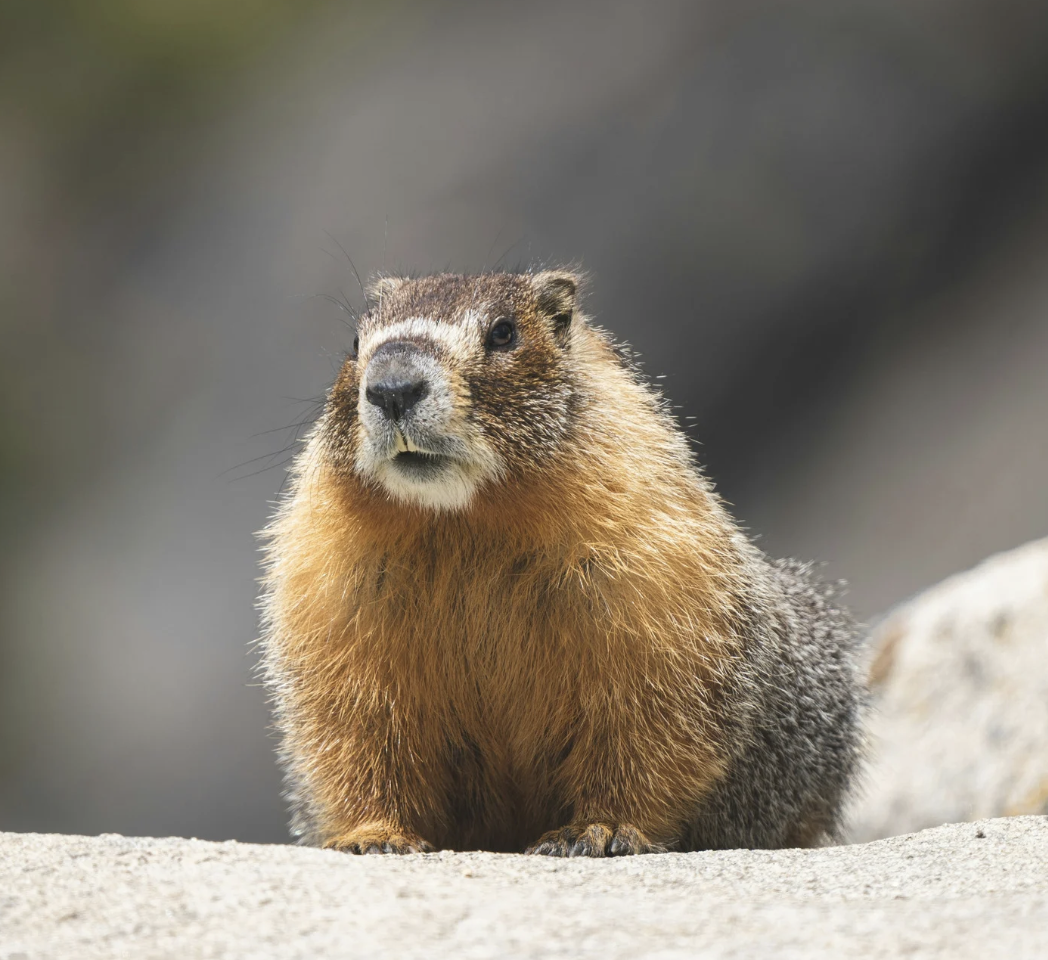
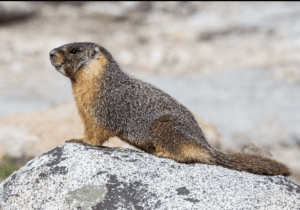
Marmots are large ground-dwelling rodents belonging to the squirrel family. They are known for their sturdy bodies, short powerful legs, and thick fur that protects them from cold mountain climates. One of their most recognizable traits is their sharp, high-pitched whistle, which they use as an alarm call to warn colony members of approaching predators. Marmots are highly social compared to many rodents, living in colonies that share extensive underground burrow systems. Their ability to hibernate for long periods is one of their most remarkable adaptations to harsh alpine environments.
How They Survive in Their Habitat
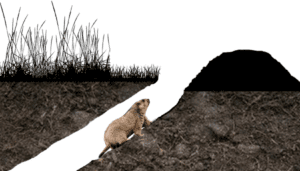
Marmots inhabit alpine meadows, grasslands, and mountainous regions where vegetation is abundant during warmer months. They are herbivores, feeding on grasses, flowers, leaves, and roots. Throughout summer, marmots build up fat reserves to prepare for long winter hibernation. During hibernation, which can last up to eight months, their heart rate and body temperature drop dramatically, conserving energy until spring. Their burrows provide protection from predators such as foxes, eagles, and coyotes, as well as insulation from extreme weather. The burrow systems may include multiple entrances and chambers for sleeping, raising young, and hibernating.
Family Life
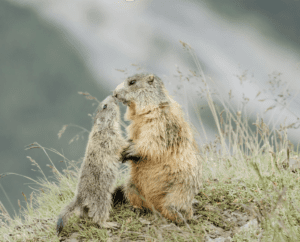
Marmots are social animals that live in family-based colonies often led by a dominant breeding pair. Females typically give birth to litters of 3–6 pups in underground chambers lined with grasses. The young remain in the burrow for several weeks before emerging above ground. Colony members cooperate by taking turns acting as sentinels, watching for predators while others forage. Social bonds within the colony increase survival rates, particularly in open alpine landscapes where cover is limited.
Why They Are Threatened
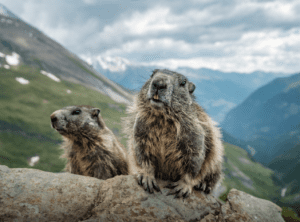
While many marmot species remain stable, some isolated populations face significant risks. Climate change alters alpine ecosystems, affecting vegetation growth and shortening or disrupting hibernation cycles. Human recreation, road construction, and development fragment habitats and disturb colonies. In some regions, habitat loss has led to population declines and reduced genetic diversity. Because marmots depend heavily on predictable seasonal patterns, shifts in temperature and snowfall can have long-term impacts on survival and reproduction.
Ten Fun Facts
-
Marmots are one of the largest members of the squirrel family.
-
Some species hibernate for up to eight months each year.
-
Their whistle can be heard across alpine valleys.
-
Marmots sunbathe to regulate body temperature.
-
Their burrows can extend several meters underground.
-
Baby marmots are called pups.
-
They can weigh up to 15 pounds (7 kg).
-
Marmots help aerate soil through digging.
-
Groundhogs are a type of marmot.
-
They play an important role in mountain ecosystems.
What You Can Do to Help
• Support conservation of alpine and grassland habitats.
• Reduce your carbon footprint to address climate change.
• Respect wildlife and stay on marked trails in mountain parks.
• Support research on vulnerable marmot populations.
• Raise awareness about the importance of alpine ecosystems.