Sea turtles are found in oceans all over the world. They are incredible animals who can live up to 80 years in the wild. Though they have been around for over 100 million years, today 6 of the 7 species are classified as threatened or endangered. Overexploitation, pollution, and habitat loss are serious threats to sea turtles that make their future uncertain.
Poaching
Some people believe sea turtles and their eggs have medicinal properties in folk medicine. In South America and Asia, they are considered culinary delicacies. This makes sea turtles and their eggs targets for poachers. In Nicaragua, people have consumed sea turtle eggs for a long time with some people believing they have more nutritional value than chicken eggs. Poachers steal eggs from nests on the beach and sell them at markets. It is hard for authorities to crack down on egg hunters because they often travel at night by boat.
There is also a market for poaching and selling live sea turtles as exotic pets. This is part of illegal wildlife trafficking, the 4th most lucrative transnational crime. Often, traffickers will maim and abuse live turtles, shoving them into small containers, taping them into their shells, and smuggling them all over the world. In 2019, authorities found over 1,500 turtles and tortoises taped in suitcases in a Philippines airport. The unethical methods traffickers use to smuggle animals are extremely dangerous, and an estimated 75% of trafficked animals die during transport. Many sea turtles are among the casualties.

Source: Bureau of Customs, NAIA, 2019
Bycatch
Commercial fishing poses one of the biggest threats to sea turtles. An estimated 250,000 turtles die each year after being caught in nets as bycatch. Additionally, discarded nets and lines pose harm as they can entangle and suffocate the animals.
Plastic
Plastic endangers sea turtles as the animals often mistake it for food. Jellyfish and swaying marine algae are key foods in the diet of several species of sea turtles. Plastic bags have a striking similarity to both of these foods. Research found that when green turtles encountered marine debris, they ingested it 62% of the time. Another study suggests that over 50% of all sea turtles have ingested plastic. Consuming plastic can be extremely harmful. It can cause infection, intestinal ruptures, and even stunt growth. Ingesting plastic can also cause intestinal blockages that hinder the ability to eat, causing animals to starve to death.
Light Pollution
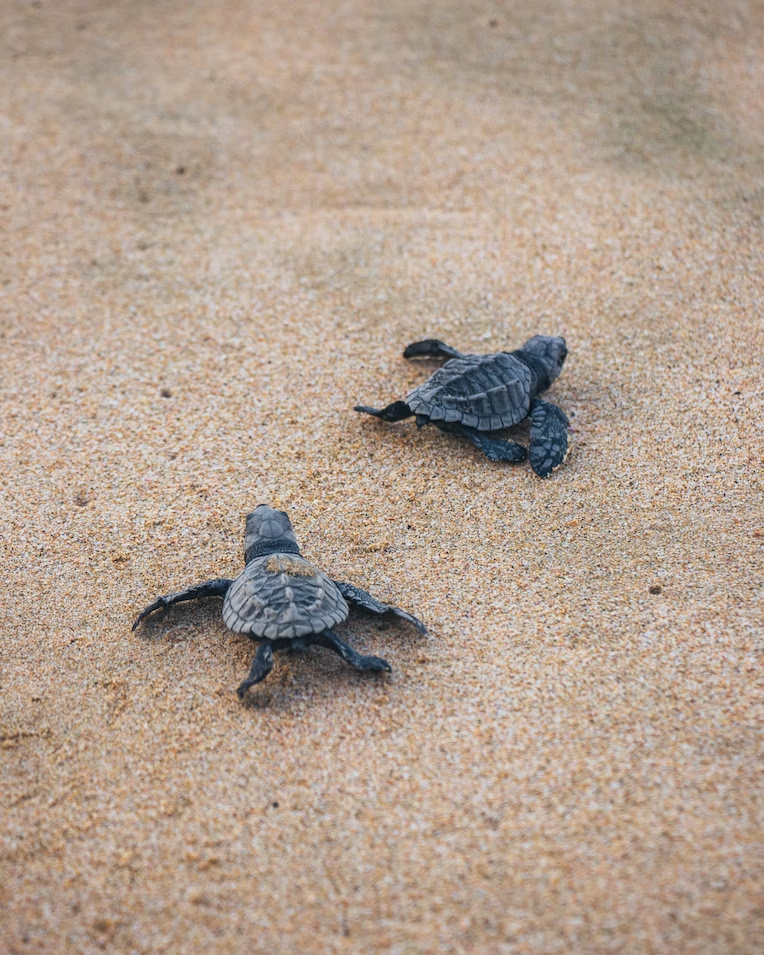
When female sea turtles approach the shore to lay their eggs, they instinctively look for a dark place. Artificial light from streetlights, cars, and buildings near the shore can deter or disorient turtles, impairing their ability to properly nest. After hatching, the threat continues. Hatchlings are believed to use the light of the moon to find their way to the ocean. Scientists think that artificial light pollution inhibits this strategy and affects the number of turtles who make it to the ocean.
Habitat Loss and Environmental Degradation
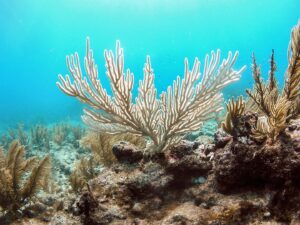
Coastal development for houses, businesses, and roads comes at the expense of beach degradation. The resulting beach erosion disrupts the natural nesting habitats of turtles. Additionally, rising temperatures and ocean acidification attributed to climate change harm coral systems that are integral to feeding for some species of sea turtles.

What You Can Do to Help Reduce Threats to Sea Turtles
- Be an ethical tourist when you visit the beach. Stay on the designated trails and out of the dune systems that support the habitat of local wildlife
- Always properly dispose your trash at the beach
- NEVER interact with turtle nests or eggs on the beach
- Reduce your consumption of seafood and get it from local seafood dealers that practice sustainable fishing
- Minimize your plastic waste. Opt for reusable water bottles and shopping bags
- Do not engage with social media posts featuring captive wildlife
Support Organizations That Are Working to Protect Sea Turtles
- Karen Beasley Sea Turtle Rescue and Rehabilitation Center
- Sea Turtle Inc
- Turtle Island Restoration Network
- Hawai’i Wildlife Fund