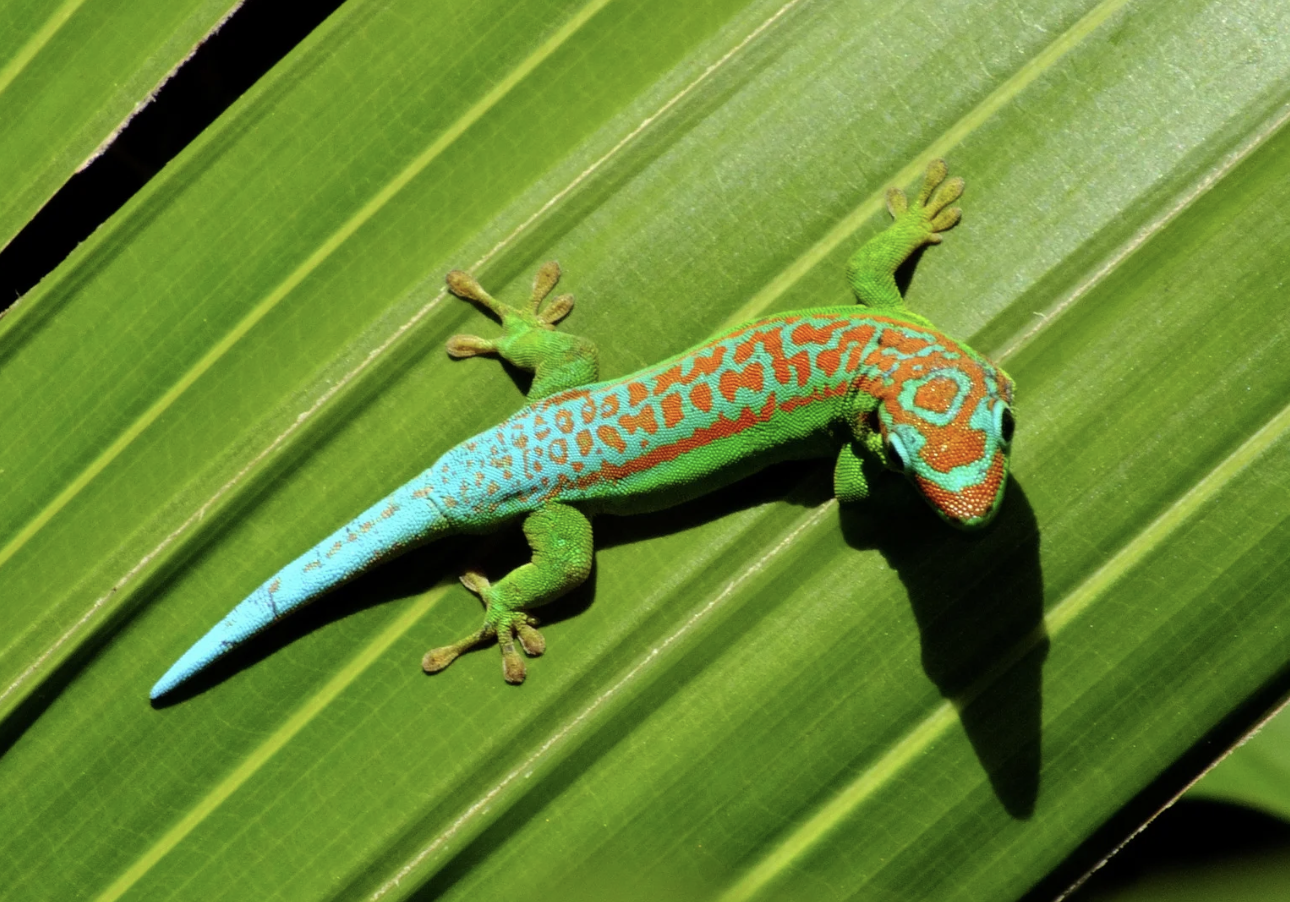
Quick Facts
• Official Species Group: Infraorder Gekkota
• Estimated Number of Species: Over 1,600 species worldwide
• Conservation Status: Varies by species (many Least Concern; some Vulnerable, Endangered, or Critically Endangered)
• Range: Every continent except Antarctica
• Reasons for Population Decline: Habitat destruction, climate change, invasive species, illegal pet trade
Unique Features
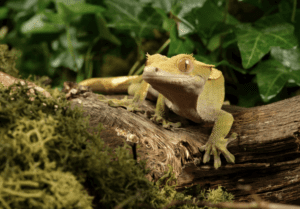
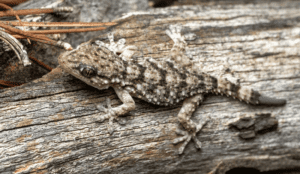
Geckos are among the most distinctive and diverse groups of lizards in the world. One of their most remarkable features is their specialized toe pads, which contain millions of microscopic hair-like structures called setae. These structures create molecular attraction (van der Waals forces), allowing geckos to cling effortlessly to vertical walls and even ceilings without glue or suction. Their eyes are also unique—most geckos lack movable eyelids and instead have a transparent membrane covering the eye, which they clean by licking.
Many geckos are nocturnal and have exceptionally large eyes relative to their head size, enabling them to see in low light. Some species can change color for camouflage, while others display vivid greens, oranges, or blues. If threatened, many geckos can detach their tails to distract predators, later regenerating a replacement.
How They Survive in Their Habitat
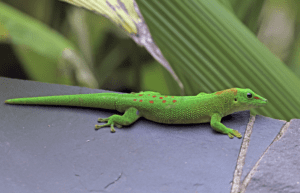
Geckos are incredibly adaptable and inhabit rainforests, deserts, rocky cliffs, grasslands, and even human homes. Their adhesive toe pads allow them to escape predators, access food in hard-to-reach places, and occupy vertical surfaces that few other reptiles can use. Nocturnal species rely on stealth and acute vision to hunt insects under the cover of darkness.
In arid environments, geckos conserve moisture by sheltering during the day and becoming active at night. Some desert species can absorb moisture from humid air through their skin. Arboreal species depend on trees and vegetation for shelter and hunting grounds, while others thrive in urban areas where artificial lighting attracts insects. Their adaptability has allowed them to colonize islands and remote habitats across the globe.
Family Life
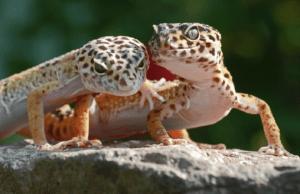
Geckos are generally solitary outside of breeding season. Most species lay one or two hard-shelled eggs at a time, often attaching them securely to rocks, tree bark, or hidden crevices. Some species produce multiple clutches per year depending on climate conditions.
Unlike mammals or birds, geckos typically provide no parental care. Hatchlings are fully independent from birth and must immediately find food and avoid predators. In certain tropical species, communal nesting occurs, where multiple females lay eggs in the same protected location, increasing survival chances.
Why They Are Threatened
While many gecko species remain common, island species are especially vulnerable to extinction. Habitat destruction from deforestation and development reduces available shelter and food sources. Invasive predators such as rats, cats, and snakes pose severe threats, particularly on islands where geckos evolved without natural predators.
Climate change can disrupt temperature-sensitive reproductive cycles, as egg development often depends on stable environmental conditions. Additionally, brightly colored species are frequently targeted for the international pet trade, placing pressure on wild populations. Because many geckos occupy small geographic ranges, localized habitat loss can quickly endanger entire species.
Ten Fun Facts
-
Geckos can walk upside down on ceilings.
-
Their toe pads rely on molecular attraction, not glue.
-
Many geckos chirp or bark to communicate.
-
Some species can change color for camouflage.
-
A detached tail continues to wiggle to distract predators.
-
There are over 1,600 species of gecko.
-
Some desert geckos can absorb moisture from the air.
-
Day geckos are active during daylight hours.
-
Geckos help control insect populations naturally.
-
Fossil evidence shows geckos have existed for over 100 million years.
What You Can Do to Help
• Support conservation of tropical forests and island habitats.
• Avoid purchasing wild-caught reptiles.
• Promote responsible, captive-bred pet programs.
• Reduce pesticide use that harms insect-eating reptiles.
• Support invasive species control efforts.
• Educate others about reptile conservation.