Beluga whale

Species in Peril: BELUGA WHALE The phantoms of the Sea They are indeed whales Although the Beluga whale can also be found in subarctic regions, these whales are frequently seen in the coastal seas of the Arctic Ocean. When the sea in the Arctic freezes over, beluga whales travel south in large herds. Animals caught […]

Indian Rhino
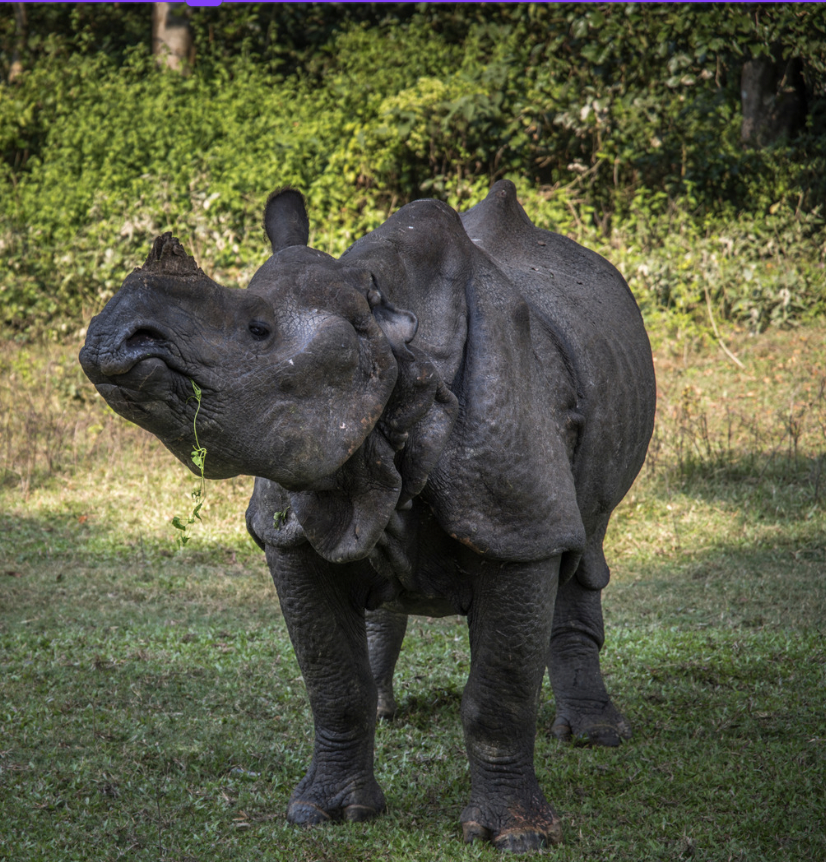
Rhino grazing on grass in a field.

Species in Peril: Indian Rhino A prehistoric armored beauty Shrinking range Indian rhinos previously roamed the whole northern Indian Subcontinent, including Bangladesh, the southern regions of Nepal and Bhutan, and the basins of the Indus, Ganges, and Brahmaputra rivers, from Pakistan to the boundary between India and Myanmar. They might have also happened in Indochina, […]

Sumatran Elephant
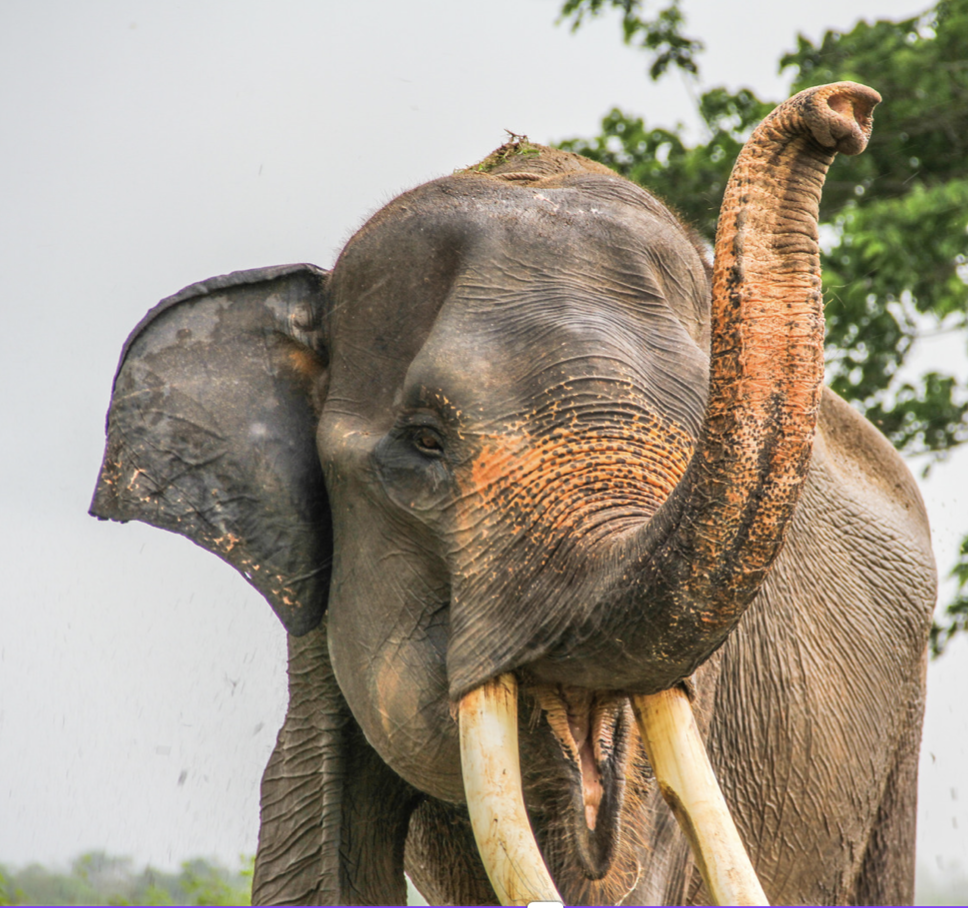
Elephant with tusks raising its trunk.

Species in Peril: Sumatran Elephant A small but mighty pachyderm in trouble Characteristics Asian elephants are smaller and have the highest body point on the head than African elephants. One finger-like process extends from the tip of their trunk. Their backs are level or convex. Females are often smaller than males and have tusks that […]

Ocelot
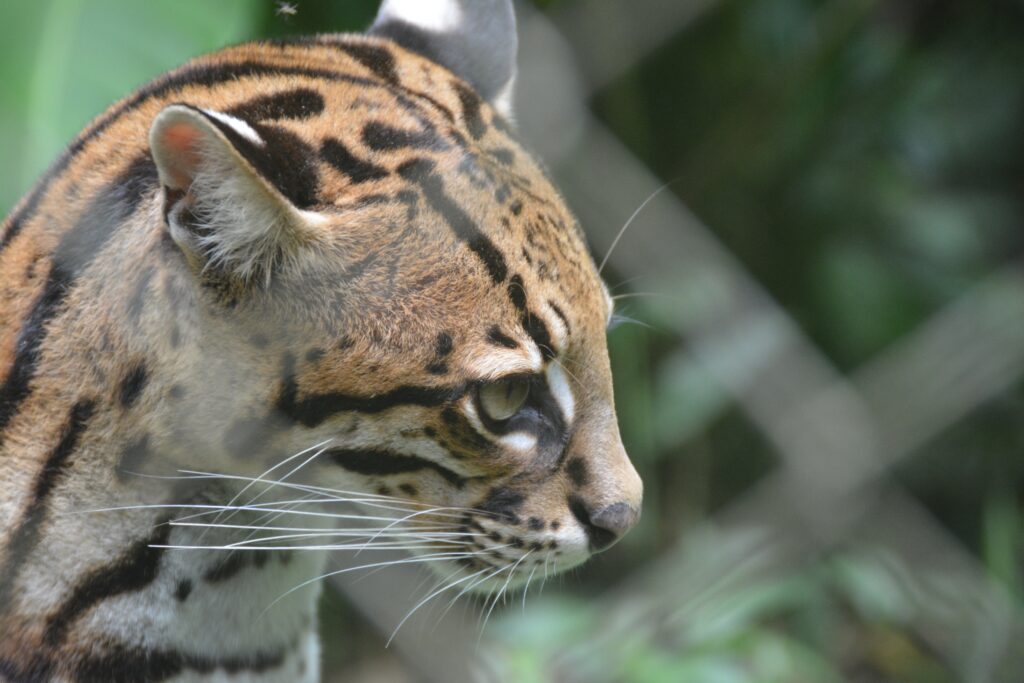
Close-up of an ocelot in profile view.

Species in Peril: OCELOTS An agile and night prowler feline Their range From the southern United States to northern Argentina, the ocelot can be found up to 3,000 meters in elevation (9,800 ft). It’s only found in Texas and Arizona in the United States, and it’s gone extinct in Louisiana and Arkansas. Ocelot fossils have […]

Red Panda

Red panda peeking through green foliage.

Species in Peril: RED PANDAS Fierce and adorable animal Communication The red panda has at least seven different vocalizations, including growls, barks, squeals, hoots, bleats, grunts, and twitters. During battles and aggressive chases, growling, barking, grunting, and squealing are common. Hooting is a reaction to being approached by another person. After scent-marking and sniffing, bleeding […]

Giraffe
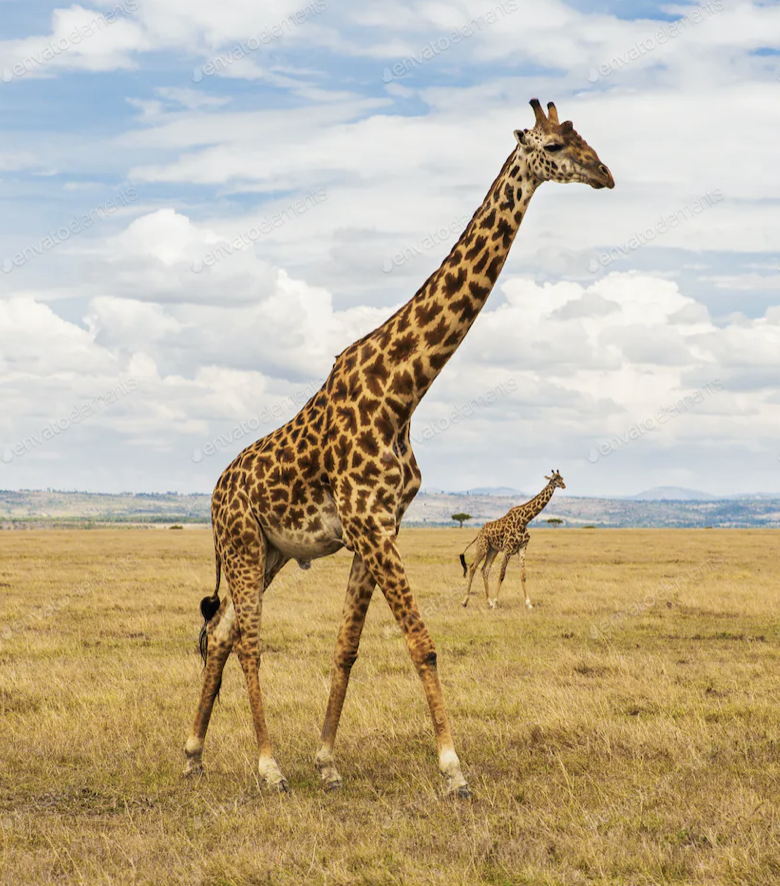
Giraffes standing in open savannah landscape.

Species in Peril: GIRAFFE The tallest living land animal on the planet Giraffe Diet and Habitat There are several giraffe subspecies. While some, like the Angolan giraffe, live in desert areas, most giraffes live in savannahs and open woods. They prefer Acacieae, Commiphora, Combretum, and open Terminalia woodlands over denser habitats, such as Brachystegia woodlands. […]

Lion

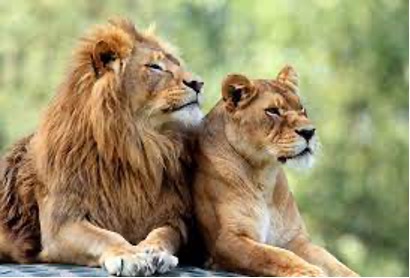
Lion and lioness resting together on rock.

Species in Peril: LIONS The king of the jungle is now vulnerable A day in the life The lion is a large cat that inhabits the grasslands of Africa.  Lions spend much of their time resting and they are inactive for about 20 hours per day.   This apex predator hunts wildebeest, zebra buffalo, and giraffes […]

Leatherback Turtle
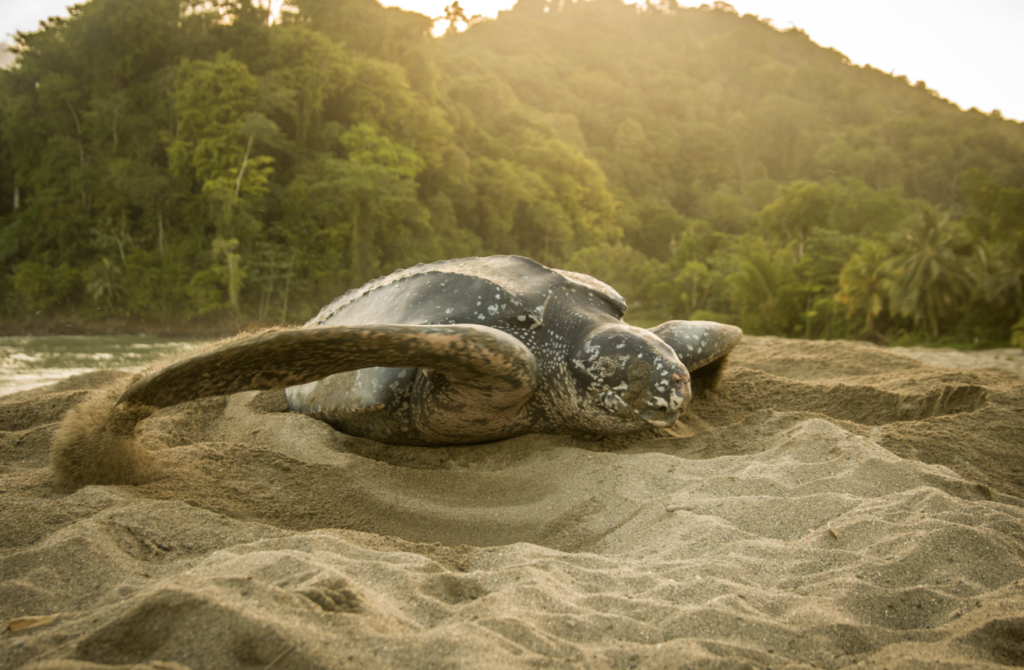
Sea turtle nesting on sandy beach.

Species in Peril: LEATHERBACK TURTLES Long-distance swimmers Large and strong The leatherback sea turtle is the largest turtle on the planet. They are the only species of sea turtle that lacks scales and a hard shell. They’ve existed in this form since the time of the dinosaurs, and they’re noted for their thick, rubbery skin. Leatherback turtles are migratory, […]

Gold Transparency 2023 Candid badge.

GuideStar is the world’s largest source of information on nonprofit organizations.


They gather and provide access to the most comprehensive, up-to-date, and accurate nonprofit information which is available to potential funders and donors.

Less than five percent of non-profits registered with GuideStar are recognized with a Gold Seal. A Gold Seal status is the leading symbol of non-profit transparency and accountability.

Start a Community Garden

A community garden is a wonderful way to bring people together while growing fresh, healthy food. Kids can ask their school, local library, or community center if there’s space to start a garden, then invite neighbors and classmates to help plant, water, and harvest vegetables or flowers. Some gardens even donate their extra produce to food banks or share it with neighbors who need it. It’s a hands-on way to learn about nature, teamwork, and taking care of your community’s shared spaces.

SAFE Worldwide Kid's Zone

Raise Funds for Local Wildlife Center

Wildlife centers take care of injured or orphaned animals, and they always need extra support to keep helping. Kids can host a bake sale, lemonade stand, or online fundraiser, or organize a “walk-a-thon” with friends and family to raise money for a wildlife rescue near them. You could also collect donated supplies the center needs, like towels, blankets, or pet food. Even a small donation can help feed, shelter, or heal an animal in need.

SAFE Worldwide Kid's Zone

Recycling Project

Recycling projects let kids turn everyday trash into something useful — or at least keep it out of landfills! You could start a recycling bin program at your school, organize a can and bottle drive to raise money for charity, or get creative and turn old materials into art, planters, or bird feeders. You might even research your town’s recycling rules and make a poster or flyer to help neighbors recycle correctly. Small habits, like rinsing containers or separating paper from plastic, add up to a big impact when a whole community joins in.

SAFE Worldwide Kid's Zone

Booth at Local Farmers Markets

Setting up a booth at your local farmers market is a great way to get your whole neighborhood excited about helping the planet. You could raise money for a cause you care about — like a wildlife shelter, a tree-planting group, or a beach cleanup fund — by selling homemade crafts, lemonade, or baked goods. You could also use your booth to teach people about recycling, showing them fun facts or simple tips for sorting their trash the right way. It’s a great way to practice public speaking, teamwork, and making a real difference in your community.

SAFE Worldwide Kid's Zone

Beach Clean-Ups

Every year on the third Saturday of September, people around the world celebrate International Coastal Cleanup Day, and you can sign up with local groups in your community to join thousands of other volunteers picking up trash along the shore. But you don’t have to wait for that one day — cleanups can happen any time! Grab some gloves, trash bags, and a few friends, and organize your own cleanup day at a nearby river, stream, lake, or beach. It’s a fun way to hang out with friends while protecting fish, turtles, and birds from plastic and litter. Nationalcleanupday.

SAFE Worldwide Kid's Zone

Tree Planting Events

Planting trees is one of the easiest ways kids can help fight climate change and give animals a home. You can join organizations like SAFE Worldwide, One Tree Planted, or the Arbor Day Foundation, which often have kid-friendly volunteer days and even let you sponsor a tree from home. Or, team up with your family, neighbors, or scout troop to start your own mini tree-planting project in a local park, schoolyard, or empty lot (just ask permission first!). Every tree you plant helps clean the air, cool the planet, and grow into a home for birds and squirrels for years to come.

SAFE Worldwide Kid's Zone