
Threats to Sea Turtles Around the World
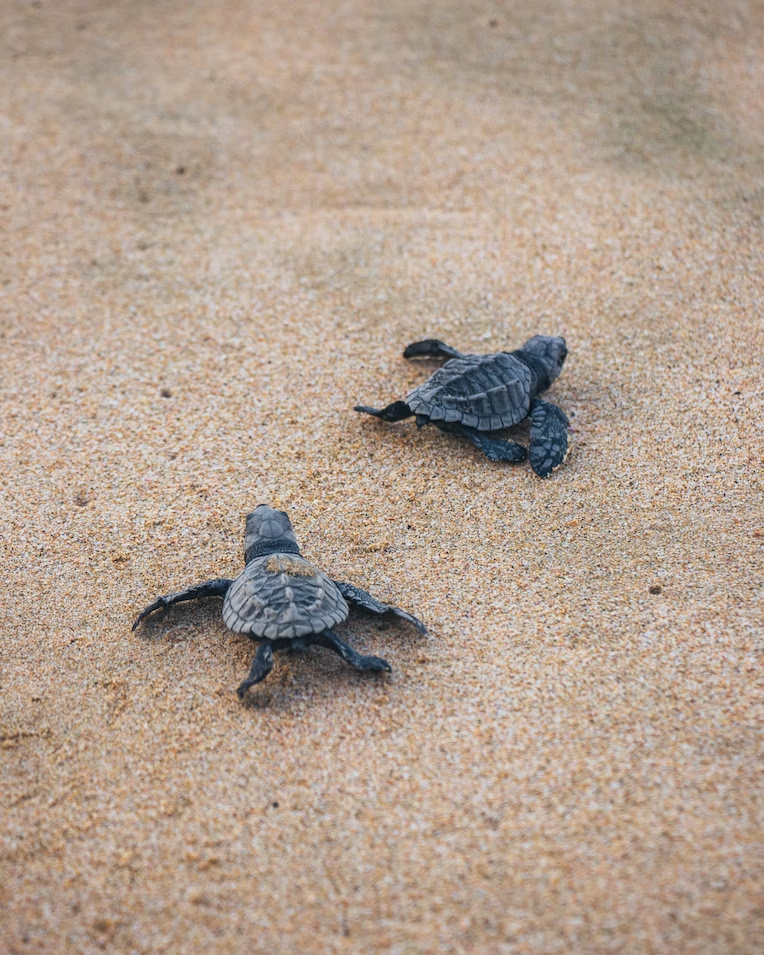
Baby turtles crawling on sandy beach.

Sea turtles are found in oceans all over the world. They are incredible animals who can live up to 80 years in the wild. Though they have been around for over 100 million years, today 6 of the 7 species are classified as threatened or endangered. Overexploitation, pollution, and habitat loss are serious threats to […]

The Endangered Species Act: Our Tool to Save Them All
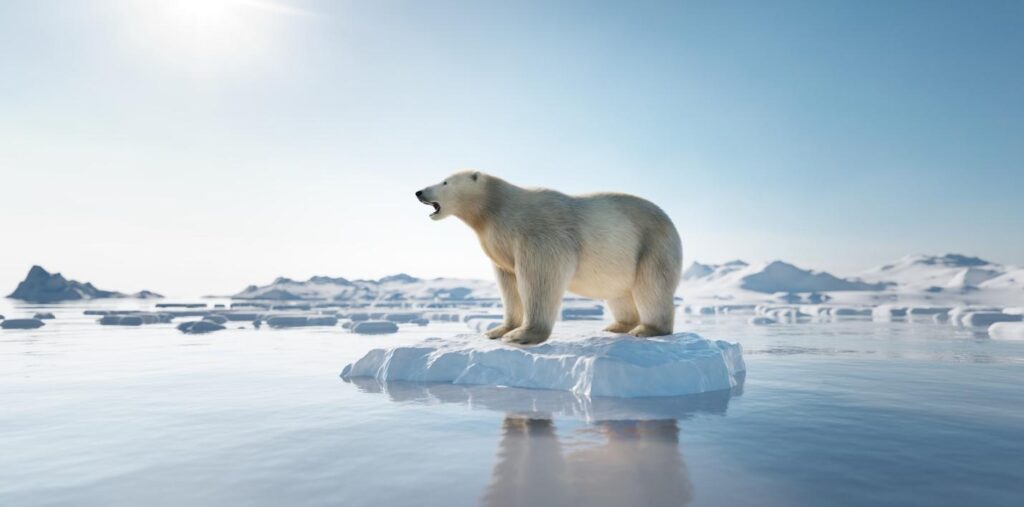
Polar bear standing on floating ice.

Our Tool to Save Them All Species on Earth continue to dwindle toward extinction due to disease, human actions, and other factors. We must protect species native to our own country and around the world. The Endangered Species Act plays a vital role in protecting these species by mitigating the factors that affect their survival. […]

Wild Animals Belong in the Wild
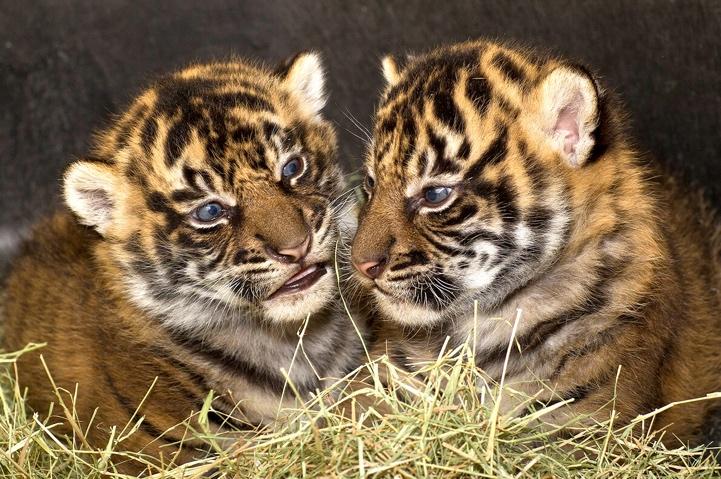
Two tiger cubs sitting on dry grass.

Wild Animals Belong in the Wild Wild animals and humans were created to coexist on planet Earth, but not to interact. There is a distinct difference between coexisting and interacting. Coexisting means “to exist together or at the same time” or “to live in peace with each other.” Interacting means “to act together” or “to […]

Understanding the Organic Label
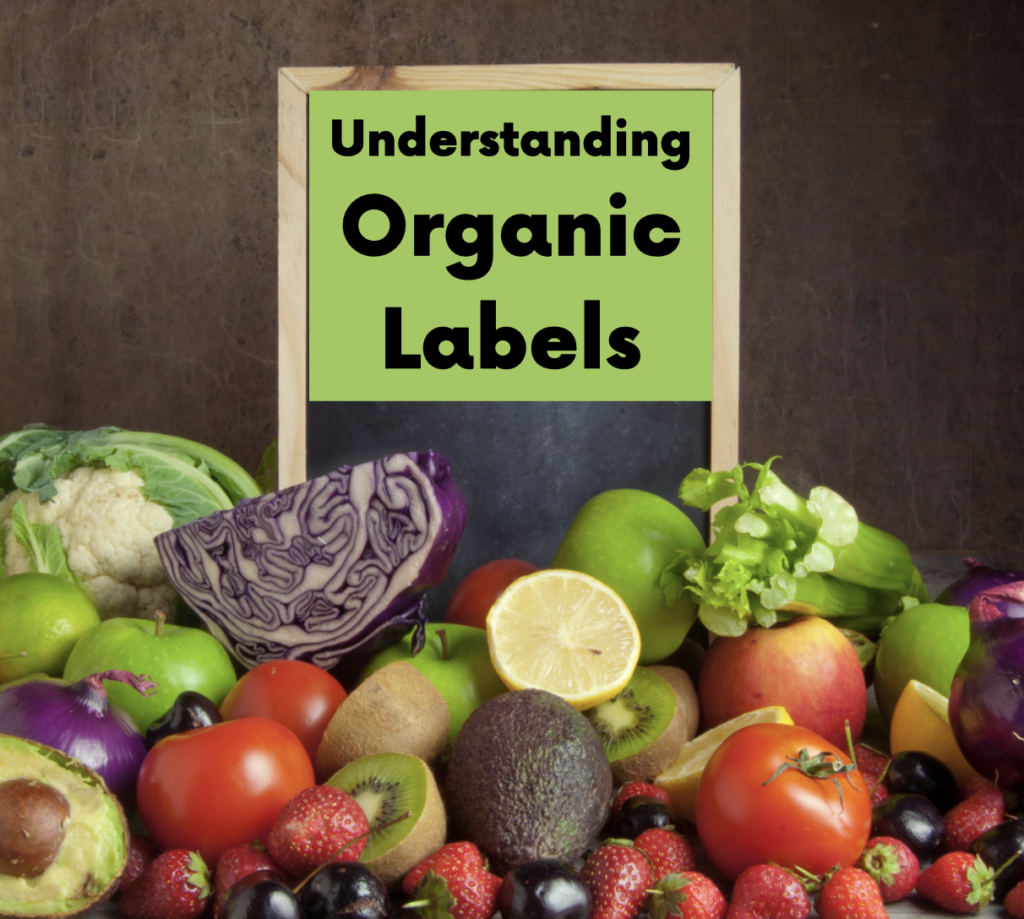
Fruits and vegetables with organic labels sign.

Whether they be in the local supermarket or co-op, food items everywhere contain a “green” slogan. Consumers find themselves bombarded with different labels all claiming to be “natural”, “organic”, “non-GMO”, “ecofriendly”, and “sustainable.” But what does it all mean? Unfortunately, if you start looking for the truth behind the labels, you uncover the spirit of […]

The Climate Crisis: A Human Rights Issue
Dried cracked earth in arid landscape.

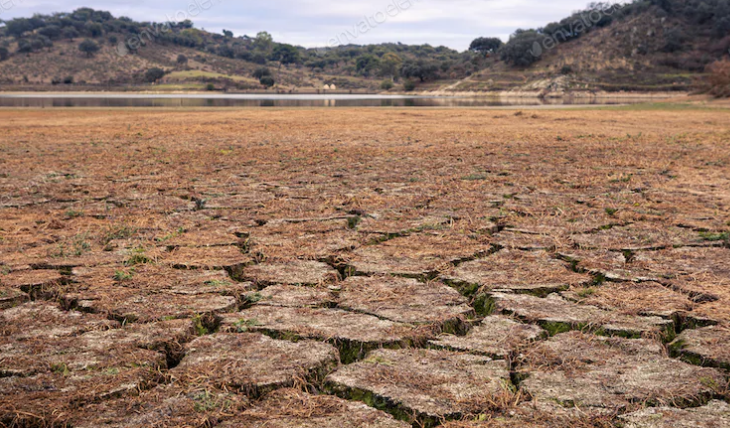
When we talk about climate change, it often provokes conversation about the future and what it will look like. There’s talk of models and clocks and predictions. Much of the focus is on how much we really need to care and how much change we need to make. How many toxins can we pump into […]

Climate Change Legislation and Big Oil

Oil pumps silhouetted against a sunset.

In a poll shared by the Washington Post last year, it was found that 67% of surveyed adults in America believe that climate change is a serious problem. Why don’t people believe the scientists that have been trying to express how detrimental climate change will be? One of the reasons why many Americans may not […]

Plastic’s Impact on the Environment
Urban skyline behind large piles of waste.

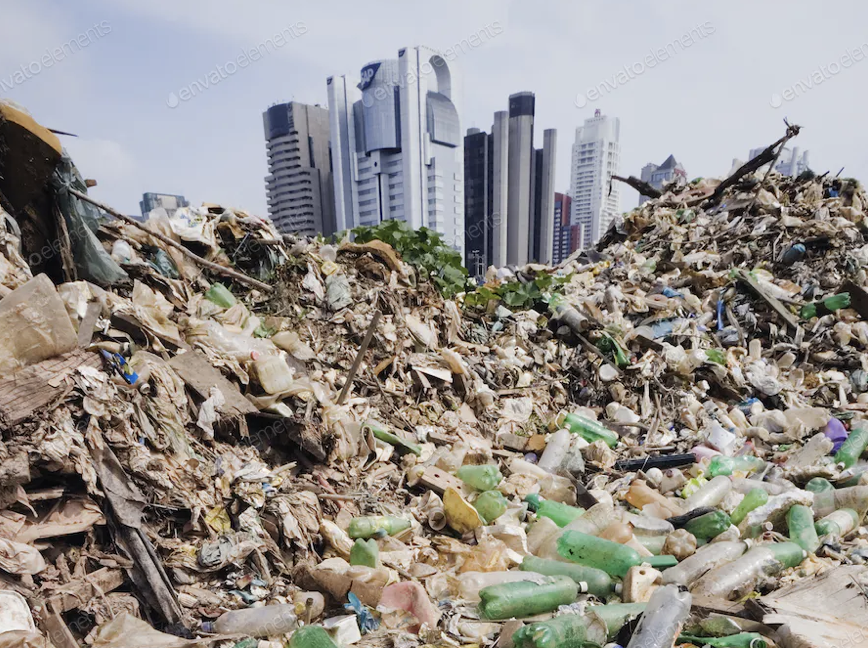
Plastic, in its essence, is a miracle product. The ability of single-use items to be manufactured in a cheap and quick manner has changed the way everything works. Packaging, construction, textiles, fishing nets, technology, medical devices and endless other things have been revolutionized by various forms of synthetic polymer compounds. Plastic is such a miracle […]

Bumblebees Are Disappearing. What You Can Do About It?
Bee

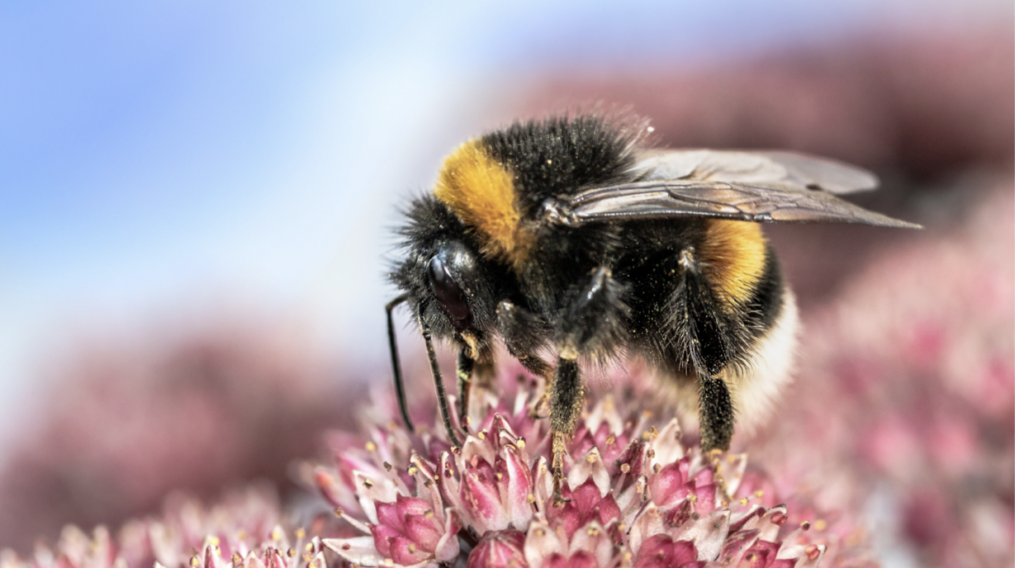
What’s with All the Buzz to Save the Bumblebees? Bees play a critical role in the environment. As pollinators, they support the growth and life of the base of every food chain; plants. Bees are the main insect pollinators, and honey bees alone are predicted to pollinate 80% of flowering plants in North America. The […]

The Majestic Giant Sequoias: Can They Be Saved?
Giant Sequoias

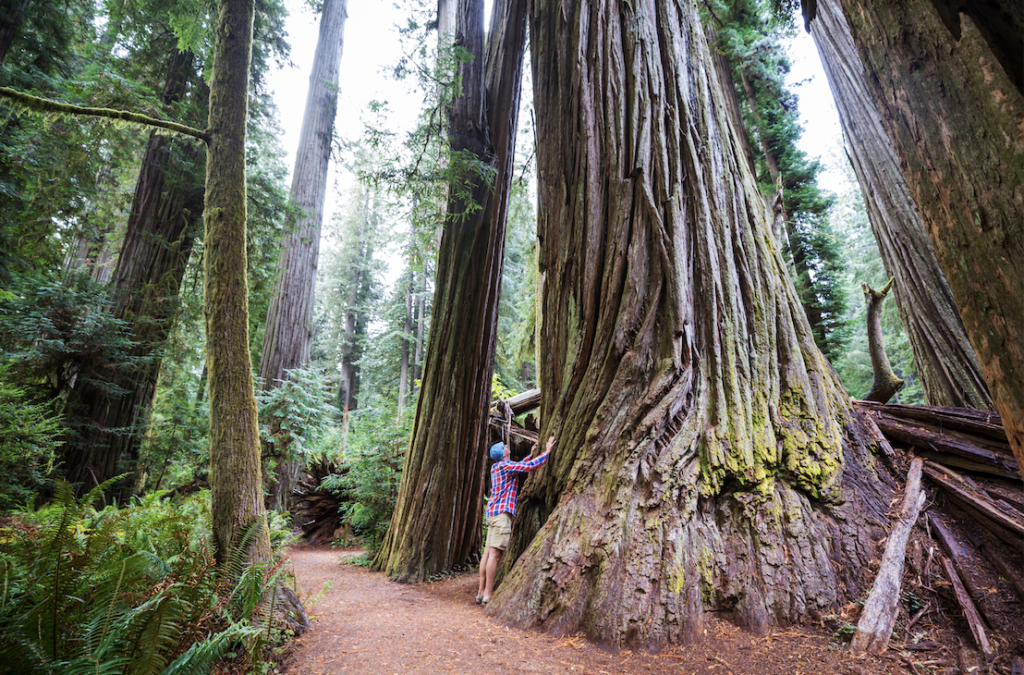
Giant Sequoias: The Greatest Threat to Their Survival and What We Can Do to Save These Natural Wonder In 2020, Castle Fire raged through both Sequoia and Kings Canyon National Park. This wildfire was responsible for the loss of 10-14% of the entire population of giant sequoias, which only grow in California’s Sierra Nevada mountains. […]

The Environmental Impact of Your Diet

Person slicing assorted meats in restaurant.

This year, the global population of cows hit 1 billion. Agriculture and food production is one of the biggest markets in the world. The meat-rich diets that have been adopted and increasing populations in recent years have accelerated the rate at which the environment is damaged in the process of food production. The global environmental […]

Gold Transparency 2023 Candid badge.

GuideStar is the world’s largest source of information on nonprofit organizations.


They gather and provide access to the most comprehensive, up-to-date, and accurate nonprofit information which is available to potential funders and donors.

Less than five percent of non-profits registered with GuideStar are recognized with a Gold Seal. A Gold Seal status is the leading symbol of non-profit transparency and accountability.

Start a Community Garden

A community garden is a wonderful way to bring people together while growing fresh, healthy food. Kids can ask their school, local library, or community center if there’s space to start a garden, then invite neighbors and classmates to help plant, water, and harvest vegetables or flowers. Some gardens even donate their extra produce to food banks or share it with neighbors who need it. It’s a hands-on way to learn about nature, teamwork, and taking care of your community’s shared spaces.

SAFE Worldwide Kid's Zone

Raise Funds for Local Wildlife Center

Wildlife centers take care of injured or orphaned animals, and they always need extra support to keep helping. Kids can host a bake sale, lemonade stand, or online fundraiser, or organize a “walk-a-thon” with friends and family to raise money for a wildlife rescue near them. You could also collect donated supplies the center needs, like towels, blankets, or pet food. Even a small donation can help feed, shelter, or heal an animal in need.

SAFE Worldwide Kid's Zone

Recycling Project

Recycling projects let kids turn everyday trash into something useful — or at least keep it out of landfills! You could start a recycling bin program at your school, organize a can and bottle drive to raise money for charity, or get creative and turn old materials into art, planters, or bird feeders. You might even research your town’s recycling rules and make a poster or flyer to help neighbors recycle correctly. Small habits, like rinsing containers or separating paper from plastic, add up to a big impact when a whole community joins in.

SAFE Worldwide Kid's Zone

Booth at Local Farmers Markets

Setting up a booth at your local farmers market is a great way to get your whole neighborhood excited about helping the planet. You could raise money for a cause you care about — like a wildlife shelter, a tree-planting group, or a beach cleanup fund — by selling homemade crafts, lemonade, or baked goods. You could also use your booth to teach people about recycling, showing them fun facts or simple tips for sorting their trash the right way. It’s a great way to practice public speaking, teamwork, and making a real difference in your community.

SAFE Worldwide Kid's Zone

Beach Clean-Ups

Every year on the third Saturday of September, people around the world celebrate International Coastal Cleanup Day, and you can sign up with local groups in your community to join thousands of other volunteers picking up trash along the shore. But you don’t have to wait for that one day — cleanups can happen any time! Grab some gloves, trash bags, and a few friends, and organize your own cleanup day at a nearby river, stream, lake, or beach. It’s a fun way to hang out with friends while protecting fish, turtles, and birds from plastic and litter. Nationalcleanupday.

SAFE Worldwide Kid's Zone

Tree Planting Events

Planting trees is one of the easiest ways kids can help fight climate change and give animals a home. You can join organizations like SAFE Worldwide, One Tree Planted, or the Arbor Day Foundation, which often have kid-friendly volunteer days and even let you sponsor a tree from home. Or, team up with your family, neighbors, or scout troop to start your own mini tree-planting project in a local park, schoolyard, or empty lot (just ask permission first!). Every tree you plant helps clean the air, cool the planet, and grow into a home for birds and squirrels for years to come.

SAFE Worldwide Kid's Zone