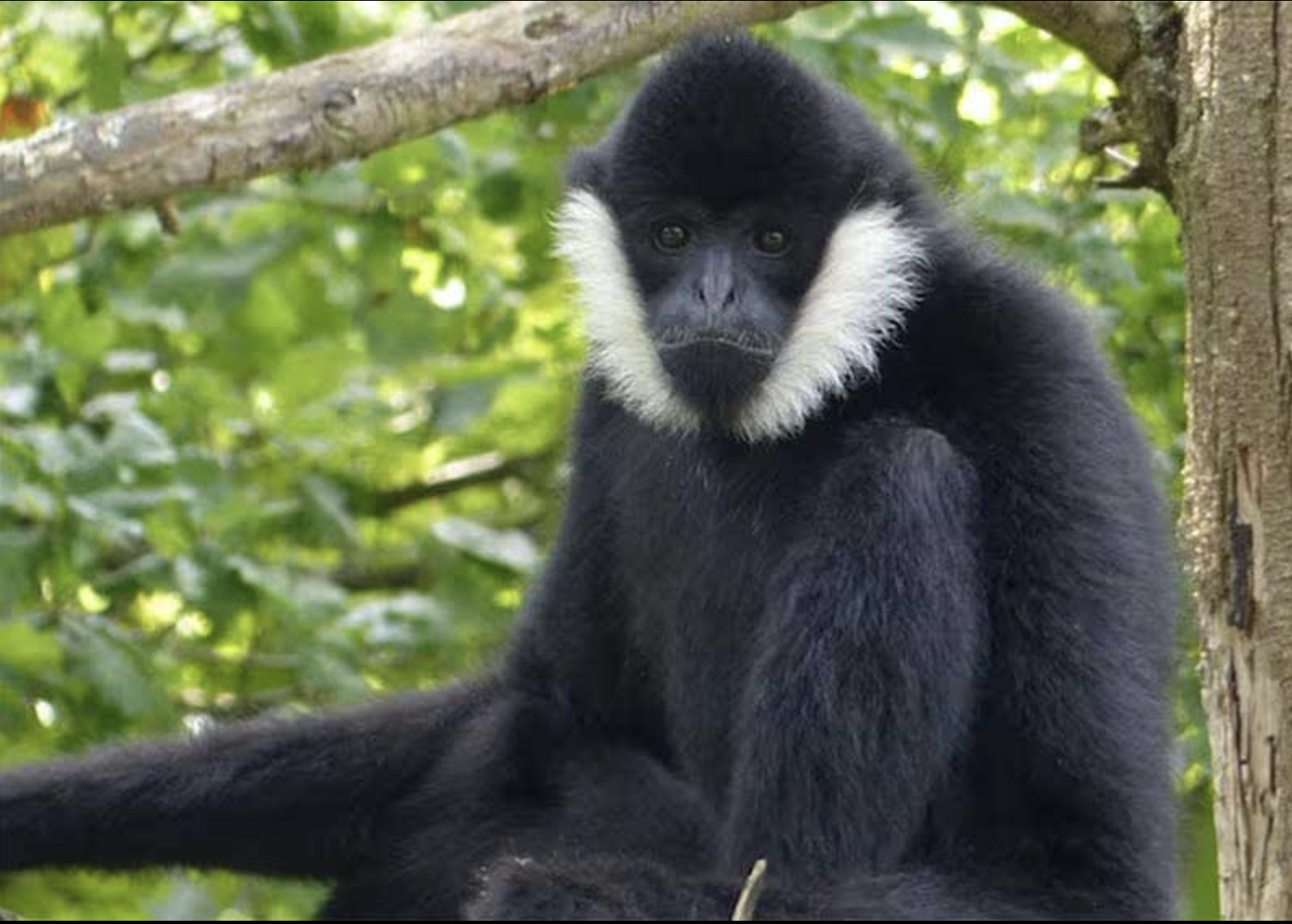
Black Crested Gibbon

Quick Facts

  • Official Species Name: Nomascus concolor

  • Estimated Population: Fewer than 2,000 individuals

  • Conservation Status: Critically Endangered

  • Range: China, Laos, Vietnam

  • Reasons for Population Decline: Deforestation, habitat fragmentation, hunting, illegal wildlife trafficking
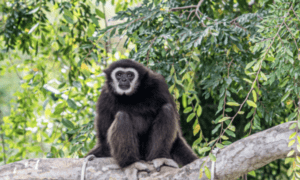
Unique Features

Black crested gibbons are known for their haunting, melodic songs that echo across forest valleys. Mated pairs perform duets to defend their territory and strengthen their bond.

They are true apes, not monkeys, and do not have tails. Their extremely long arms allow them to swing gracefully through the trees at high speeds in a movement called brachiation.

How They Survive in Their Habitat

They live almost entirely in the forest canopy, feeding primarily on fruit, leaves, and flowers. Their agility allows them to move efficiently between trees without descending to the ground.

Because they rely on continuous forest cover, intact canopy corridors are essential to their survival.
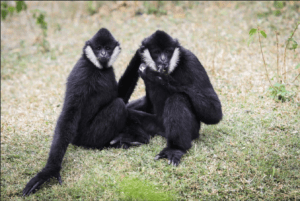
Family Life

Gibbons live in small family groups consisting of a monogamous pair and their offspring. Both parents may participate in caring for young.

Family groups defend their territory through vocal displays rather than physical confrontation.

Why They Are Threatened

Rapid deforestation for agriculture and development has fragmented their habitat. Hunting for bushmeat and illegal capture for the pet trade further reduces already small populations.

Because they live in isolated forest patches, small groups struggle with limited genetic diversity.

10 Fun Facts

  • They are true apes, not monkeys.
  • They do not have tails.
  • Their songs can travel long distances.
  • They can swing up to 35 mph.
  • Males and females often have different coloring.
  • They are highly territorial.
  • They eat mostly fruit.
  • They are among the rarest primates in the world.
  • They rarely come to the ground.
  • They form strong family bonds.

What Can You Do to Help?

  • Support rainforest protection and restoration projects.

  • Avoid products linked to deforestation (unsustainable palm oil, illegal timber).

  • Support anti-trafficking efforts focused on primates.

  • Advocate for protected forest corridors.

  • Raise awareness about endangered apes and habitat destruction.
Gold Transparency 2023 Candid badge.

GuideStar is the world’s largest source of information on nonprofit organizations.


They gather and provide access to the most comprehensive, up-to-date, and accurate nonprofit information which is available to potential funders and donors.

Less than five percent of non-profits registered with GuideStar are recognized with a Gold Seal. A Gold Seal status is the leading symbol of non-profit transparency and accountability.

Start a Community Garden

A community garden is a wonderful way to bring people together while growing fresh, healthy food. Kids can ask their school, local library, or community center if there’s space to start a garden, then invite neighbors and classmates to help plant, water, and harvest vegetables or flowers. Some gardens even donate their extra produce to food banks or share it with neighbors who need it. It’s a hands-on way to learn about nature, teamwork, and taking care of your community’s shared spaces.

SAFE Worldwide Kid's Zone

Raise Funds for Local Wildlife Center

Wildlife centers take care of injured or orphaned animals, and they always need extra support to keep helping. Kids can host a bake sale, lemonade stand, or online fundraiser, or organize a “walk-a-thon” with friends and family to raise money for a wildlife rescue near them. You could also collect donated supplies the center needs, like towels, blankets, or pet food. Even a small donation can help feed, shelter, or heal an animal in need.

SAFE Worldwide Kid's Zone

Recycling Project

Recycling projects let kids turn everyday trash into something useful — or at least keep it out of landfills! You could start a recycling bin program at your school, organize a can and bottle drive to raise money for charity, or get creative and turn old materials into art, planters, or bird feeders. You might even research your town’s recycling rules and make a poster or flyer to help neighbors recycle correctly. Small habits, like rinsing containers or separating paper from plastic, add up to a big impact when a whole community joins in.

SAFE Worldwide Kid's Zone

Booth at Local Farmers Markets

Setting up a booth at your local farmers market is a great way to get your whole neighborhood excited about helping the planet. You could raise money for a cause you care about — like a wildlife shelter, a tree-planting group, or a beach cleanup fund — by selling homemade crafts, lemonade, or baked goods. You could also use your booth to teach people about recycling, showing them fun facts or simple tips for sorting their trash the right way. It’s a great way to practice public speaking, teamwork, and making a real difference in your community.

SAFE Worldwide Kid's Zone

Beach Clean-Ups

Every year on the third Saturday of September, people around the world celebrate International Coastal Cleanup Day, and you can sign up with local groups in your community to join thousands of other volunteers picking up trash along the shore. But you don’t have to wait for that one day — cleanups can happen any time! Grab some gloves, trash bags, and a few friends, and organize your own cleanup day at a nearby river, stream, lake, or beach. It’s a fun way to hang out with friends while protecting fish, turtles, and birds from plastic and litter. Nationalcleanupday.

SAFE Worldwide Kid's Zone

Tree Planting Events

Planting trees is one of the easiest ways kids can help fight climate change and give animals a home. You can join organizations like SAFE Worldwide, One Tree Planted, or the Arbor Day Foundation, which often have kid-friendly volunteer days and even let you sponsor a tree from home. Or, team up with your family, neighbors, or scout troop to start your own mini tree-planting project in a local park, schoolyard, or empty lot (just ask permission first!). Every tree you plant helps clean the air, cool the planet, and grow into a home for birds and squirrels for years to come.

SAFE Worldwide Kid's Zone