
Easy ways you can make a difference

The transportation sector is the United States’ biggest emitter and accounts for a 29% of the country’s carbon footprint.
On average, each American emits 4.6 metric tons of carbon dioxide every year with their personal vehicles. To offset this, each driver would have to plant over 30 trees a year.
Ways to reduce your passenger vehicle emissions:
In addition to enormous amounts of carbon dioxide, airplanes release soot, nitrous oxides, and contrails high in the atmosphere. All these substances trap heat.
Ways to reduce your aviation emissions:
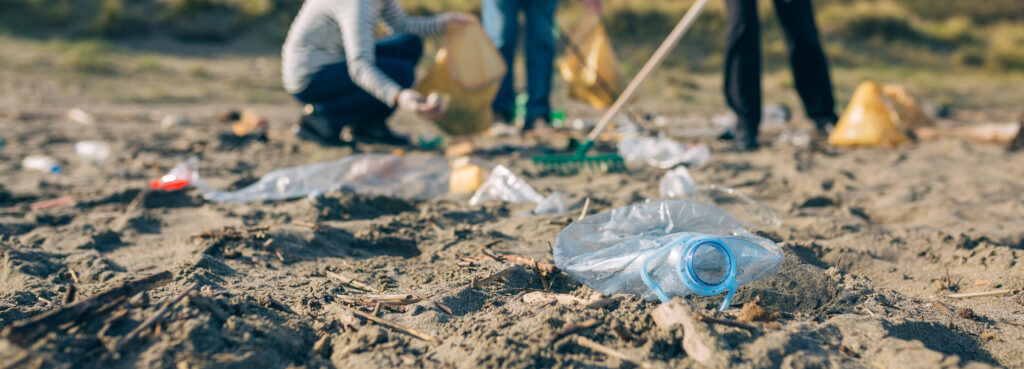
Every stage of the plastic industry—extraction, production, transport, disposal—relies on fossil fuels and emits greenhouse gases. By 2030, the United States’ plastic industry could release more greenhouse gases annually than coal power plants. Additionally, plastic pollution harms ecosystems, like the ocean, that could help mitigate climate change.
Ways to reduce your plastic use:
Global food production is responsible for 35% of the world’s greenhouse gas emissions and releases over twice as much greenhouse gases than all sectors of the United States. Compared to one calorie of plant protein, producing one calorie of animal protein can require 10x more fossil fuel inputs. Animal agriculture contributes 44% of world’s anthropogenic methane and nitrous oxide—both are greenhouse gases more potent than carbon dioxide—emissions and causes most of all agricultural emissions. Water use, land conversion, and transportation also determine our diets’ impact on climate.
Ways to reduce your diet’s harmful impacts:
Extraction and refinement of raw materials, and the corresponding greenhouse gas emissions, is required for each new electronic device and household appliance produced. Data centers keeping up with our digital consumption are on track to surpass the aviation industry’s carbon footprint. Furniture the second greatest contribution to urban waste. The fashion industry alone produces 10% of annual carbon emissions.
Ways to reduce your belongings’ emissions:
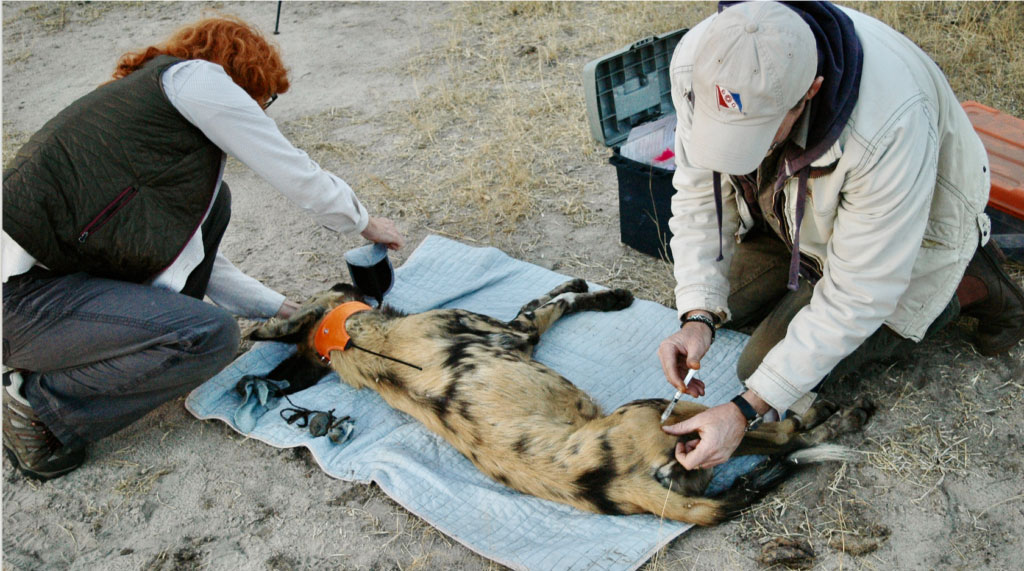
The United States stills runs on fossil fuels with 79% of energy coming from coal, oil, and natural gas. Of all the energy this country produces, 68% of it wasted each year.
Ways to reduce your household’s energy consumption:
Only about one third of Americans talk regularly about climate change. Climate change is happening with or without our acknowledgment, but social change only happens with awareness.
Ways to spread awareness:
Additional actions you can take to help slow climate change:
A carbon footprint is the amount of greenhouse gas emissions caused by our lifestyle choices.
If we don’t curb our CO2 emissions, many endangered species will plummet by more than two-thirds in the next 20 years.
Learn more about how we can reduce our carbon footprint and create a healthier planet.
Be part of the solution.
Sign up for our monthly newsletter. Or contact us to become a SAFE Worldwide volunteer and help save wildlife and the planet.

A community garden is a wonderful way to bring people together while growing fresh, healthy food. Kids can ask their school, local library, or community center if there’s space to start a garden, then invite neighbors and classmates to help plant, water, and harvest vegetables or flowers. Some gardens even donate their extra produce to food banks or share it with neighbors who need it. It’s a hands-on way to learn about nature, teamwork, and taking care of your community’s shared spaces.
Wildlife centers take care of injured or orphaned animals, and they always need extra support to keep helping. Kids can host a bake sale, lemonade stand, or online fundraiser, or organize a “walk-a-thon” with friends and family to raise money for a wildlife rescue near them. You could also collect donated supplies the center needs, like towels, blankets, or pet food. Even a small donation can help feed, shelter, or heal an animal in need.
Recycling projects let kids turn everyday trash into something useful — or at least keep it out of landfills! You could start a recycling bin program at your school, organize a can and bottle drive to raise money for charity, or get creative and turn old materials into art, planters, or bird feeders. You might even research your town’s recycling rules and make a poster or flyer to help neighbors recycle correctly. Small habits, like rinsing containers or separating paper from plastic, add up to a big impact when a whole community joins in.
Setting up a booth at your local farmers market is a great way to get your whole neighborhood excited about helping the planet. You could raise money for a cause you care about — like a wildlife shelter, a tree-planting group, or a beach cleanup fund — by selling homemade crafts, lemonade, or baked goods. You could also use your booth to teach people about recycling, showing them fun facts or simple tips for sorting their trash the right way. It’s a great way to practice public speaking, teamwork, and making a real difference in your community.
Every year on the third Saturday of September, people around the world celebrate International Coastal Cleanup Day, and you can sign up with local groups in your community to join thousands of other volunteers picking up trash along the shore. But you don’t have to wait for that one day — cleanups can happen any time! Grab some gloves, trash bags, and a few friends, and organize your own cleanup day at a nearby river, stream, lake, or beach. It’s a fun way to hang out with friends while protecting fish, turtles, and birds from plastic and litter. Nationalcleanupday.
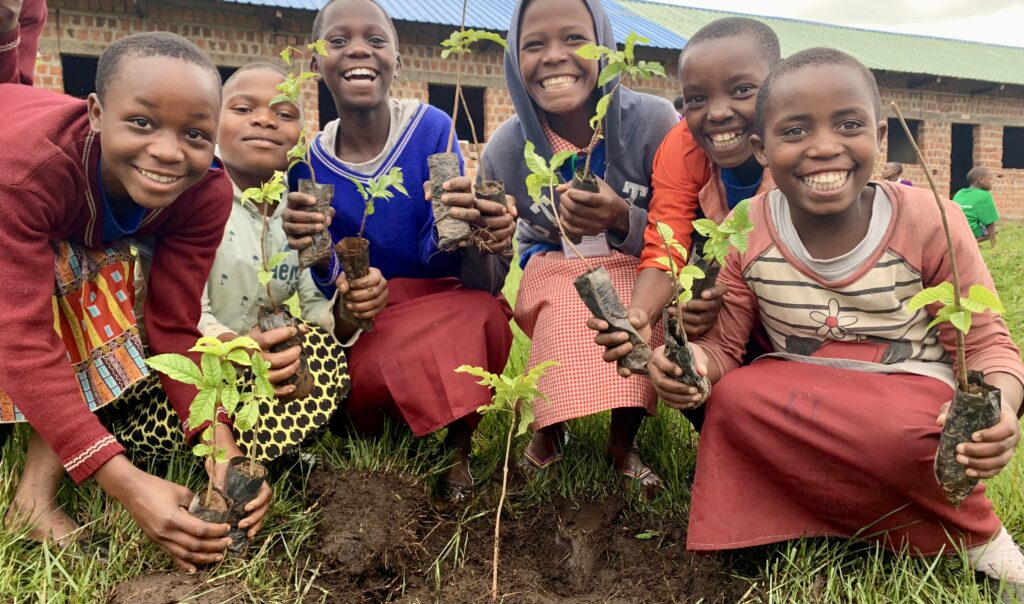
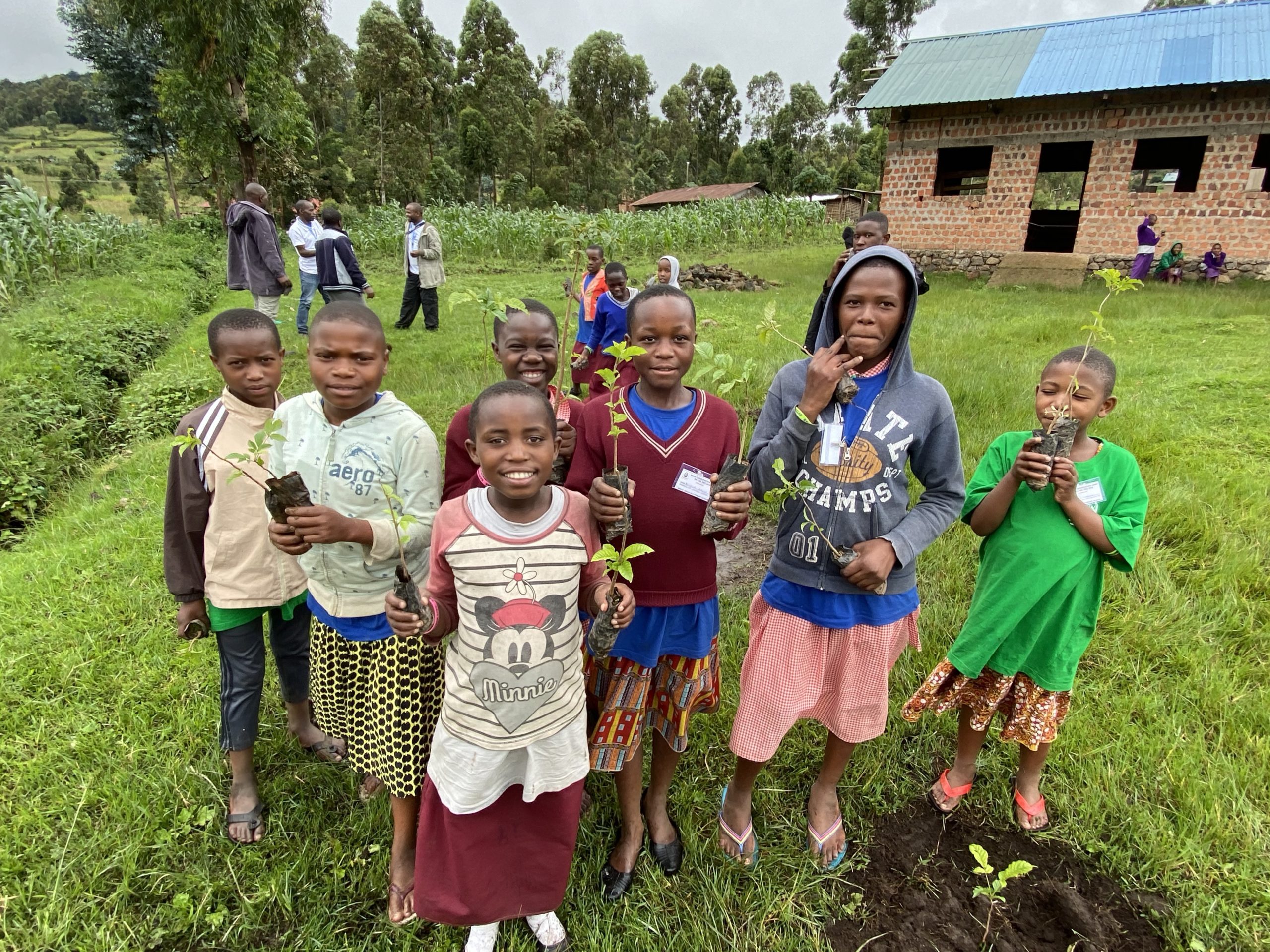
Planting trees is one of the easiest ways kids can help fight climate change and give animals a home. You can join organizations like SAFE Worldwide, One Tree Planted, or the Arbor Day Foundation, which often have kid-friendly volunteer days and even let you sponsor a tree from home. Or, team up with your family, neighbors, or scout troop to start your own mini tree-planting project in a local park, schoolyard, or empty lot (just ask permission first!). Every tree you plant helps clean the air, cool the planet, and grow into a home for birds and squirrels for years to come.