
Conservation of our biodiversity does not only demonstrate foresight, but it also protects the natural resources so vital to our own continued existence. The value of any single species to an ecosystem is immeasurable, the environment will not endure without its species, despite its size. As a state we are doing a lot of things to protect endangered species in wildlife including, advocating for increased funding for conservation programs that benefit endangered species, protecting, restoring, and connecting the habitats on which endangered species and other wildlife depend for their survival, encouraging wildlife-friendly land management practices.
Another way of protecting wildlife is by way of national wildlife parks, these provide protected habitat to many native wildlife, birds, fish, and plants. There is a need to help by protecting animals in parks by reporting poachers, stopping poaching, arresting poachers, stop veld fires. Avoid dumping litter, paint, oil or antifreeze, or other chemicals that pollute the water and harm wildlife. Let us be careful when driving especially during the night, when driving in animal zones to avoid unnecessary killing of animals.
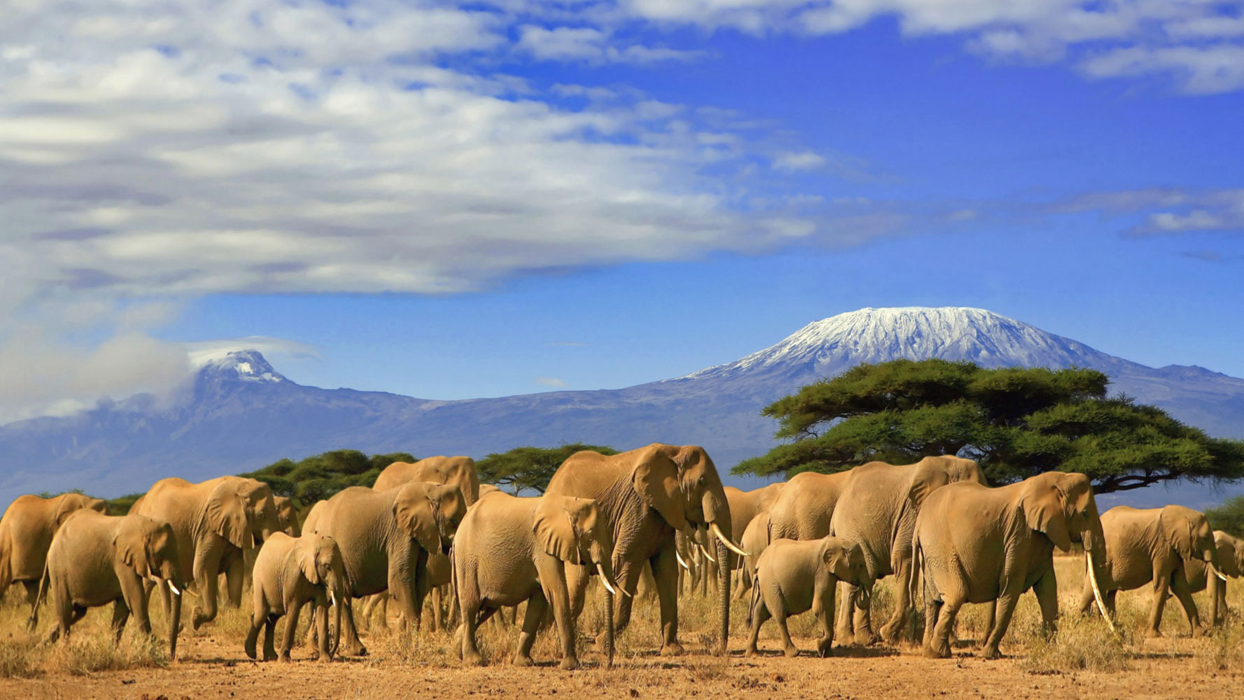
The first step to protecting endangered species is learning about how interesting and important they are after learning there is a need to raise awareness. You can also minimize the use of herbicides and pesticides. Herbicides and pesticides are hazardous pollutants that can affect wildlife at any level. Reduce use of fertilizers, excess fertilizers will likely wash into streams and rivers and may lead to amphibian deformities and death.
The following are solutions that can be taken to protect endangered species:
- People are advised to buy eco-friendly products.
- To follow the 3rs: i.e., recycle, reuse, reduce.
- Don’t buy souvenirs made from endangered species.
- Avoid unnecessary suffering of animals when killing them for meat. Vegetarian diet can be healthier.
Raise awareness to those who do not know the value of animals. Environmental education helps people to be educated on the value of wildlife, and its importance and benefits to the nation at large.
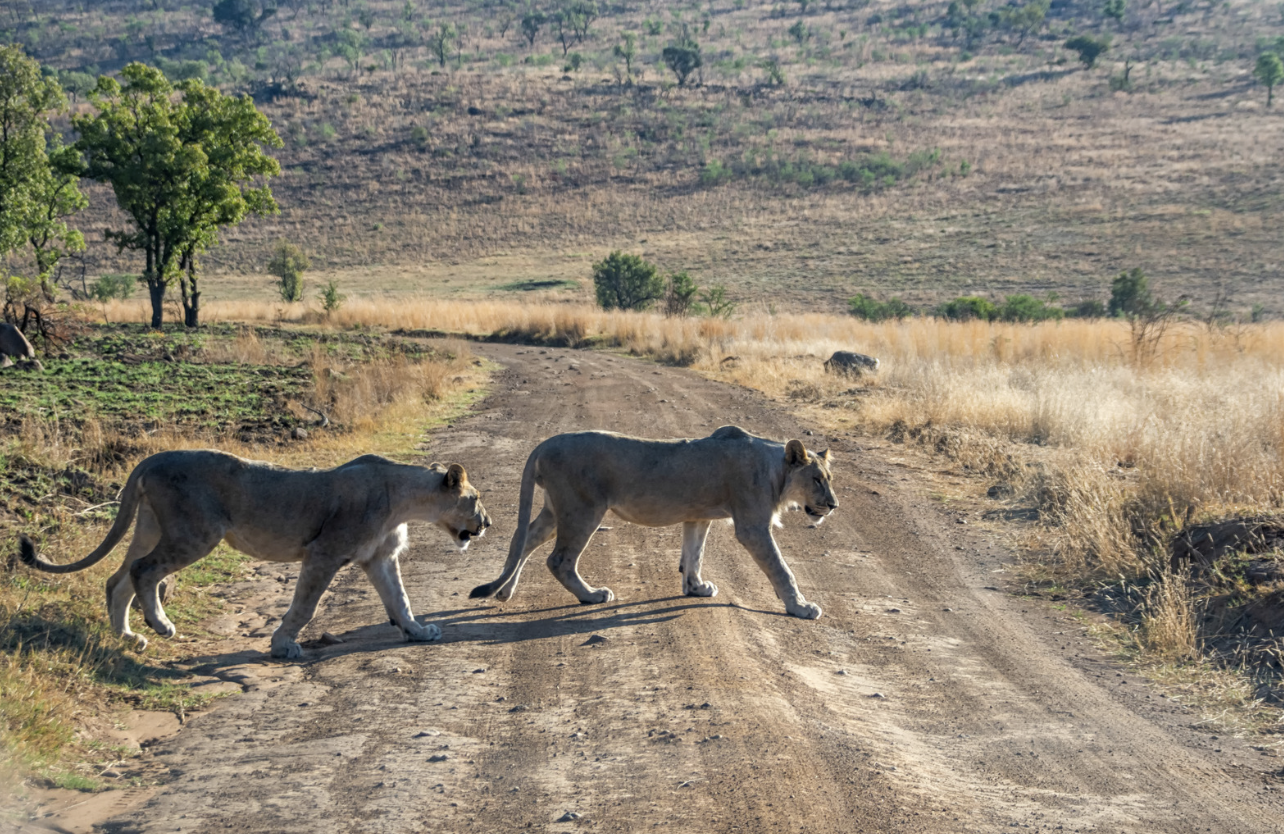
The other solution is that you can task partners with Africa’s leading and emerging conservation to protect endangered species, reduce human- wildlife conflict, find sustainable solutions to preserve critical habitats and combat the global demand for illegal wildlife products through products. Through community support and education, we are shaping a tomorrow where the people of Africa can reconnect with nature, understand its inheritance value, and protect it for future generations. On 19 May we celebrated Endangered Species Day.
A short bio from Octavia Rutendo Muzondo, 17 yrs old.
When l finish my studies at Nyatsime College in Zimbabwe, l would like to be a wildlife biologist because l like animals. I started liking animals when l was young. Small animals make me feel better when I am stressed, for example, an ant. Luckily l chose to participate in the wildlife club at our school and l am very happy to be a wildlife defender and an animal champion. l would like to encourage all fellow students in the whole world to take part in protecting and conserving wildlife because it is very useful and important for us and future generations.
I would like to thank Animal Advocates International and SAFE Worldwide for encouraging me and for the support of my article on EFFORTS TO PROTECT WILDLIFE l hope the whole world is going to participate in protecting wildlife and l would like to promise to serve as a wildlife defender until everyone understands the importance of it. With this l thank you.
Disclaimer: The opinions, beliefs and viewpoints expressed by the various authors and forum participants on this web site are their own and do not necessarily reflect the opinions, beliefs and viewpoints of SAFE Worldwide.
In conclusion, endangered species need to be protected, it starts with you, and it begins with us. Let us help each other to protect our wildlife for it is our treasure.