

Picture of Stori Smith

Stori Smith

Senior Staff Writer for SAFE Worldwide

Amazon Extinction Debt 

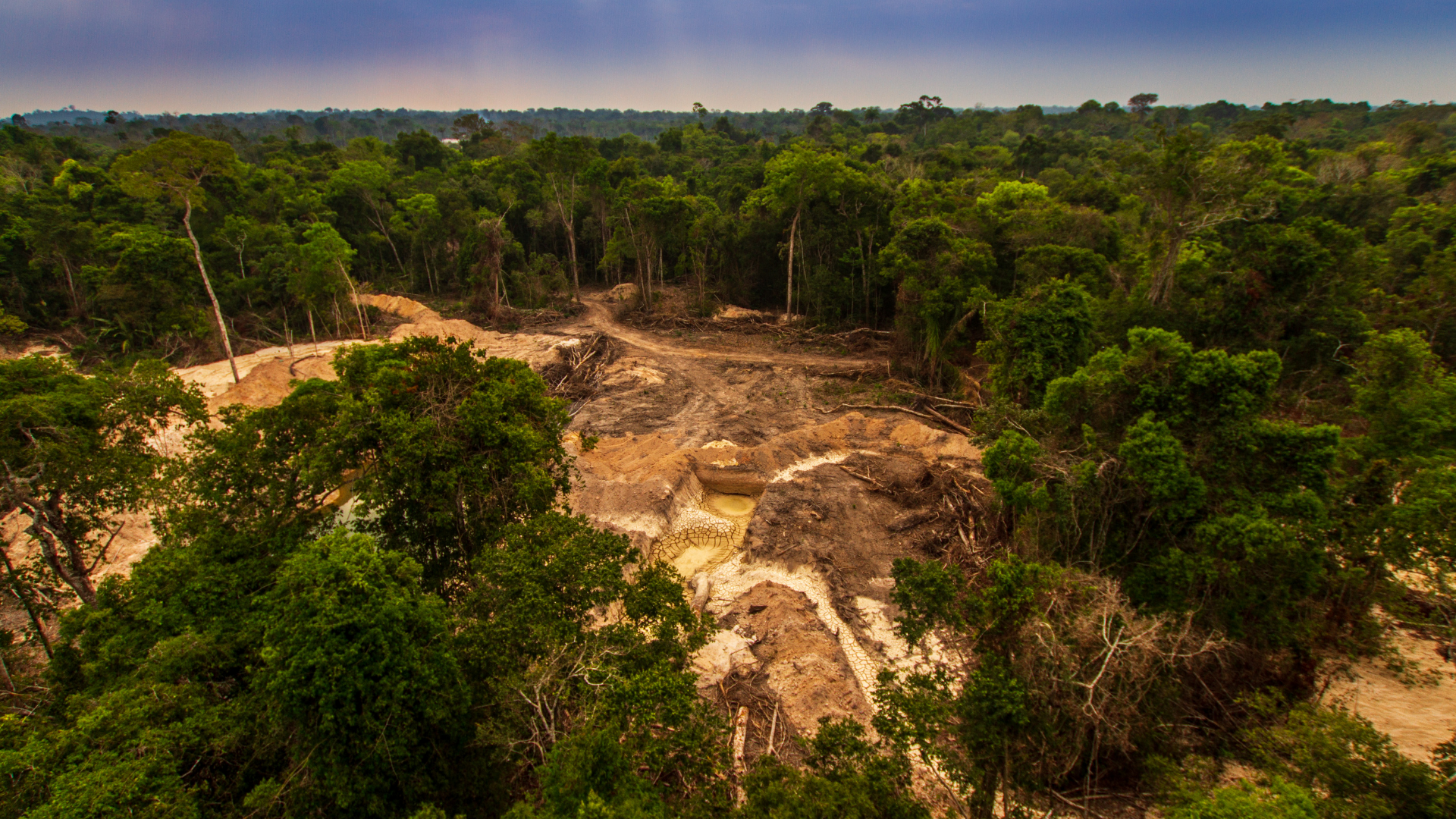
A barren section of deforestation in the Amazon Rainforest due to mining

The Amazon is many things: the world’s largest rainforest, home to one million Indigenous people, a carbon sink helping to alleviate climate change. It is also a biodiversity hotspot providing habitat for 10% of all known species on this planet. Sadly, decades of deforestation have jeopardized all of the Amazon’s important functions. While this fact has long been acknowledged, deforestation’s effect on extinction may be significantly worse than previously assumed. If all deforestation stopped today, the Amazon would continue losing species. Scientists estimate 80% of the Amazon’s extinctions driven by deforestation are still to come. The Amazon is in debt, extinction debt, and we need to pay attention.

What is Extinction Debt?

Extinction debt happens when there is a time lag between disturbance and extinction. It is the future loss of species caused by past events. In deforestation’s case, cutting down trees may not directly kill off a species, but the resulting reduction in habitat, decreased resource availability, and increased habitat fragmentation eventually does. By destroying more land before previous deforestation’s effects have time to play out, we rack up an extinction debt. That’s how we’ve cut, burned, and plowed our way to an anticipated 2 mammal, 5 bird, and 1 amphibian extinction on average per 2500 square kilometers (about 965 square miles) of the Amazon Rainforest. We’ve already sentenced an estimated 38 Amazonian species to imminent local extinction. If we don’t drastically reduce deforestation, nearly all Amazonian species may follow them by the year 2050.

What Can We Do?

While that devastating fate is possible, it is also preventable. Some scientists encourage focusing conservation efforts where the projected extinction debt is highest. Others suggest doubling down on Brazil’s Forest Code. The law passed in 1965 with intentions of preserving native plant growth and restoration but has been weakly enforced. There was, however, a decrease in Amazonian deforestation for several years until a recent spike in 2019. We need to encourage the Brazilian government, citizens, and ourselves as global consumers of goods produced in the Amazon to follow the Forest Code, restore Brazil’s natural habitat, and bring down deforestation rates. While forest restoration and regeneration won’t cause immediate species recovery, prioritizing forests just might allow us to reverse some of our debt and ensure the Amazon remains rich in biodiversity. 

Want to learn more about threats to the Amazon? Read our article on the beef industry’s impact on the rainforest


Sources

Sample, Ian. “Amazon’s doomed species set to pay deforestation’s ‘extinction debt.’” The Guardian, 12 July 2012, https://www.theguardian.com/environment/2012/jul/12/amazon-deforestation-species-extinction-debt

Shukman, David. “Brazil’s Amazon: Deforestation ‘surges to 12-year high.’” BBC News, 30 Nov. 2020, https://www.bbc.com/news/world-latin-america-55130304 

Thompson, Helen. “Most of Amazon Rainforest’s Species Extinctions Are Yet to Come.” Scientific American, 13 July 2012, https://www.scientificamerican.com/article/most-amazon-rainforest-species-extinctions-yet-to-come/

Wearn, Oliver R., Daniel C. Reuman, and Robert M. Ewers. “Extinction Debt and Windows of Conservation Opportunity in the Brazilian Amazon.” Science, vol. 337, no. 6091, 2012, pp. 228-232

Gold Transparency 2023 Candid badge.

GuideStar is the world’s largest source of information on nonprofit organizations.


They gather and provide access to the most comprehensive, up-to-date, and accurate nonprofit information which is available to potential funders and donors.

Less than five percent of non-profits registered with GuideStar are recognized with a Gold Seal. A Gold Seal status is the leading symbol of non-profit transparency and accountability.

Start a Community Garden

A community garden is a wonderful way to bring people together while growing fresh, healthy food. Kids can ask their school, local library, or community center if there’s space to start a garden, then invite neighbors and classmates to help plant, water, and harvest vegetables or flowers. Some gardens even donate their extra produce to food banks or share it with neighbors who need it. It’s a hands-on way to learn about nature, teamwork, and taking care of your community’s shared spaces.

SAFE Worldwide Kid's Zone

Raise Funds for Local Wildlife Center

Wildlife centers take care of injured or orphaned animals, and they always need extra support to keep helping. Kids can host a bake sale, lemonade stand, or online fundraiser, or organize a “walk-a-thon” with friends and family to raise money for a wildlife rescue near them. You could also collect donated supplies the center needs, like towels, blankets, or pet food. Even a small donation can help feed, shelter, or heal an animal in need.

SAFE Worldwide Kid's Zone

Recycling Project

Recycling projects let kids turn everyday trash into something useful — or at least keep it out of landfills! You could start a recycling bin program at your school, organize a can and bottle drive to raise money for charity, or get creative and turn old materials into art, planters, or bird feeders. You might even research your town’s recycling rules and make a poster or flyer to help neighbors recycle correctly. Small habits, like rinsing containers or separating paper from plastic, add up to a big impact when a whole community joins in.

SAFE Worldwide Kid's Zone

Booth at Local Farmers Markets

Setting up a booth at your local farmers market is a great way to get your whole neighborhood excited about helping the planet. You could raise money for a cause you care about — like a wildlife shelter, a tree-planting group, or a beach cleanup fund — by selling homemade crafts, lemonade, or baked goods. You could also use your booth to teach people about recycling, showing them fun facts or simple tips for sorting their trash the right way. It’s a great way to practice public speaking, teamwork, and making a real difference in your community.

SAFE Worldwide Kid's Zone

Beach Clean-Ups

Every year on the third Saturday of September, people around the world celebrate International Coastal Cleanup Day, and you can sign up with local groups in your community to join thousands of other volunteers picking up trash along the shore. But you don’t have to wait for that one day — cleanups can happen any time! Grab some gloves, trash bags, and a few friends, and organize your own cleanup day at a nearby river, stream, lake, or beach. It’s a fun way to hang out with friends while protecting fish, turtles, and birds from plastic and litter. Nationalcleanupday.

SAFE Worldwide Kid's Zone

Tree Planting Events

Planting trees is one of the easiest ways kids can help fight climate change and give animals a home. You can join organizations like SAFE Worldwide, One Tree Planted, or the Arbor Day Foundation, which often have kid-friendly volunteer days and even let you sponsor a tree from home. Or, team up with your family, neighbors, or scout troop to start your own mini tree-planting project in a local park, schoolyard, or empty lot (just ask permission first!). Every tree you plant helps clean the air, cool the planet, and grow into a home for birds and squirrels for years to come.

SAFE Worldwide Kid's Zone