





Wolf Superpowers

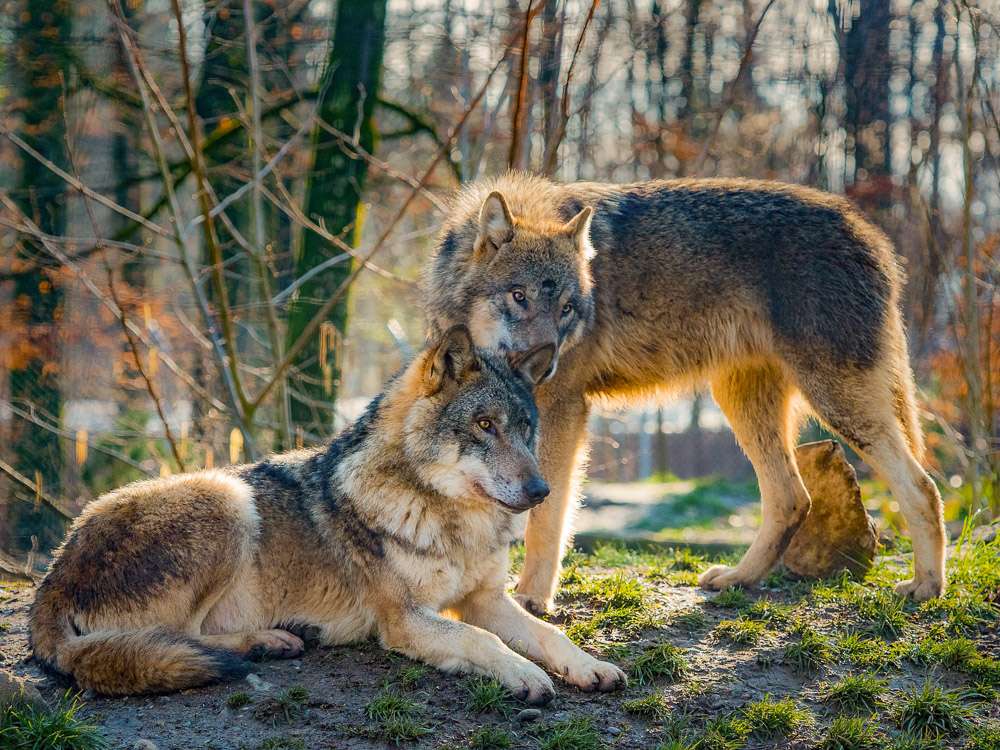
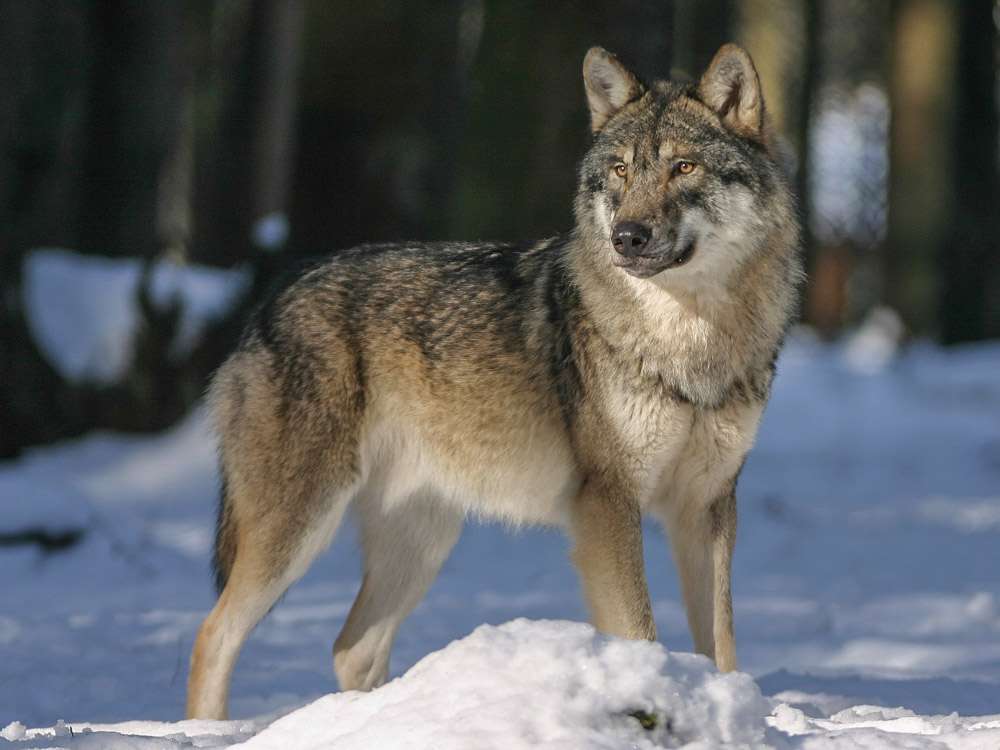
The wolf’s superpower is its embodiment of loyalty, freedom, and intelligence, often represented in mythology and culture.
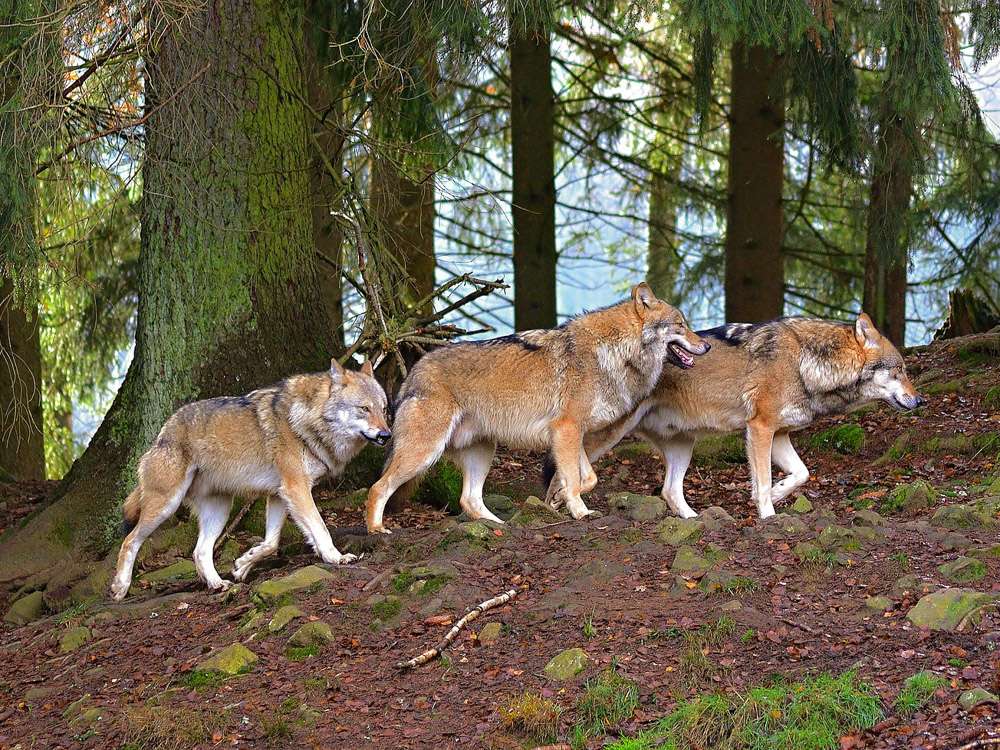
Fascinating Facts
  • There are over 30 species of wolves, and these creatures are closely related to other wild canines, like coyotes and jackals.
  • The wolf is the ancestor of all breeds of domestic dog.
  • Gray wolves live in parts of Europe, Asia, and North America.
  • Known as “America’s wolf,” red wolves are the only species of wolf that live only in the United States.
  • The full moon does not have an effect on gray wolves.
  • Gray wolves mate for life.
  • Wolves can run up to 38 miles per hour if they are hunting or running away from something dangerous.
  • Before and after hunting, the wolves howl in order to ensure that the pack assembles in a group. They also howl when trying to find each other during rough storms, when they are separated from each other for long distances, and when they cross a new and unknown territory.
  • Wolves have been known to travel up to 100 miles in one day.
  • A pack has a female and male leader, much like a mom and dad. These two wolves are called the “alphas” because they are the leaders of the pack. The alphas are also the only ones that have babies.
  • There is not one documented case of a red wolf attacking a person. Ever!
  • Red wolves are the most endangered wild animal in the U.S. And the most endangered wolf in the world. As of December 2021, there are less than 20 left in the wild.
  • On average, gray wolves will eat 20 to 30 pounds of meat in one meal but have also been known to go up to 14 days between meals with no ill effects.
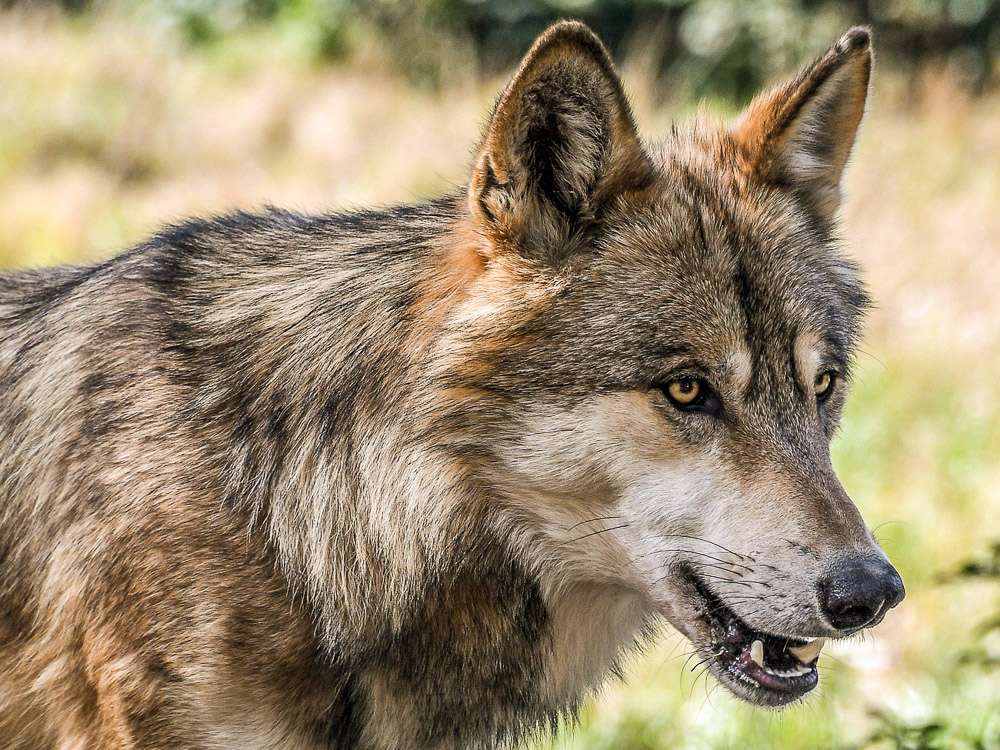
  • Wolves have strong jaws, with 42 teeth—20 on their upper jaws and 22 on their lower jaws—making for the largest bite pressure of any canine. Wolves are known to crush large bones in just a few bites.
Why They Are Important to the Planet
  • Wolves cull sick, old, and genetically inferior elk and deer, allowing the healthiest individuals to breed and perpetuate their species.
  • The remains of a carcass left behind, unfinished by wolves, help feed many scavengers. Scavengers thrive when wolves are around. The species that help themselves to wolves’ leftovers include: ravens, magpies, wolverines, bald eagles, golden eagles, three weasel species, mink, lynx, cougar, grizzly bear, chickadees, masked shrew, great gray owl, and more than 445 species of beetle.
  • Wolves have redistributed the elk herds, allowing vegetation to recover along rivers and streams. More willows and aspens provide food for beavers. More beaver ponds benefit aquatic plants and animals. Shade from the trees cools the water, making the habitat better for trout.
  • Wolves kill coyotes, so rodent populations increase, benefiting struggling birds of prey. Also, with fewer coyotes, pronghorn antelope calves are less likely to be preyed upon.
  • Wolf kills are also good for the soil. Wolf-killed elk carcasses dramatically enhance levels of nitrogen and other nutrients.
  • Red wolves play a vital role in regulating populations of deer, keeping them from over-browsing vegetation and farmland.
  • Red wolves also likely helped control raccoons and opossums, preventing these smaller predators from overpopulating to the point of endangering native songbirds.
Why We Should Love These Animals
  • Wolf packs are families. Moms, dads, siblings, and a tight family unit. Wolf packs are, in many ways, similar to human family units. The immense love and care wolves show each other is beautiful.
  • Wolves take care of all pups, even If they aren’t their own. When pups are old enough to leave the den, they become the responsibility of the whole pack. They are shown affection from all members of the group and are trained by everyone.
  • Wolves in the wild have unique personalities. Wolves can be spunky, introverted, fierce, goofy, you name it!
  • Studying how wolves live, move, and interact with their habitats can teach us a lot about ecosystems and our environment—and about ourselves.
  • Wolves are fierce and brave. They follow their instincts, learn from each other, and pass down knowledge from one generation to the next. We could all benefit from tapping into our inner wolf from time to time!
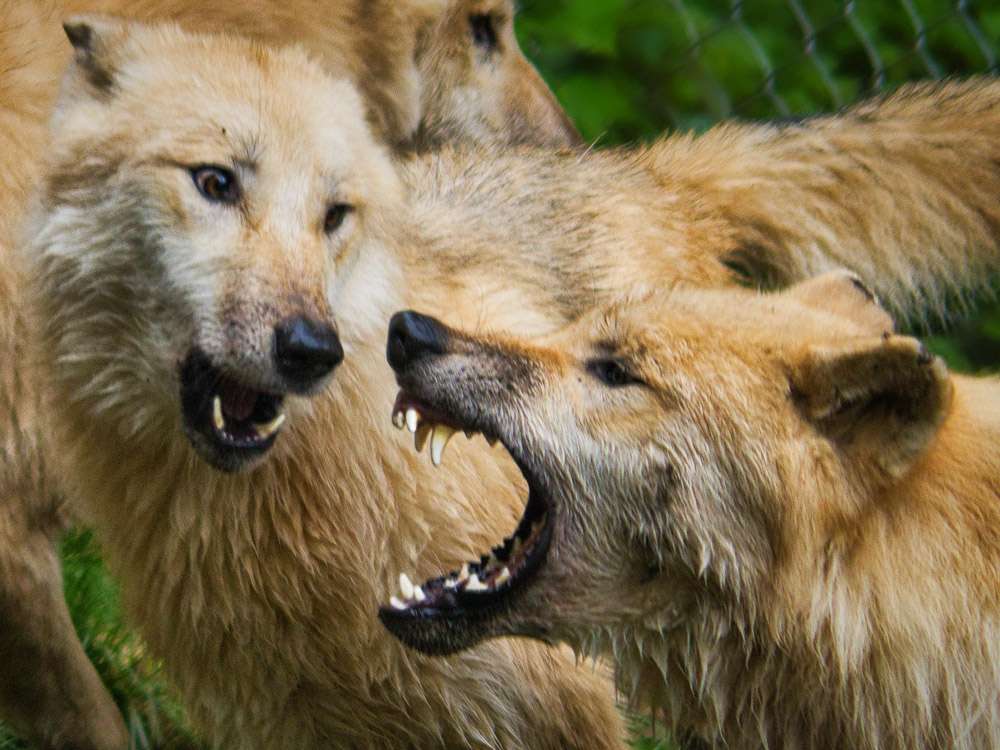
  • Just like dogs, wolves simply love to play. They have been seen shouldering one another, bumping bodies, and placing their forepaws around each others’ necks. Playing is especially important for wolf pups, as it develops strength and hunting skills. The intention to play is often signaled by the gesture well known to dog owners of dropping the front quarters into a crouch position, with smiling face and wagging tail. Adult wolves stage mock fights, play chase, and leap on each other. The ambushing of unwary pack members is a favorite game.
  • Wolves and dogs are so integrally related that the latter are considered a subspecies of the gray wolf: Canis lupus familiaris, a.k.a. the friendly wolf!
Videos and Resources
Gold Transparency 2023 Candid badge.

GuideStar is the world’s largest source of information on nonprofit organizations.


They gather and provide access to the most comprehensive, up-to-date, and accurate nonprofit information which is available to potential funders and donors.

Less than five percent of non-profits registered with GuideStar are recognized with a Gold Seal. A Gold Seal status is the leading symbol of non-profit transparency and accountability.

Start a Community Garden

A community garden is a wonderful way to bring people together while growing fresh, healthy food. Kids can ask their school, local library, or community center if there’s space to start a garden, then invite neighbors and classmates to help plant, water, and harvest vegetables or flowers. Some gardens even donate their extra produce to food banks or share it with neighbors who need it. It’s a hands-on way to learn about nature, teamwork, and taking care of your community’s shared spaces.

SAFE Worldwide Kid's Zone

Raise Funds for Local Wildlife Center

Wildlife centers take care of injured or orphaned animals, and they always need extra support to keep helping. Kids can host a bake sale, lemonade stand, or online fundraiser, or organize a “walk-a-thon” with friends and family to raise money for a wildlife rescue near them. You could also collect donated supplies the center needs, like towels, blankets, or pet food. Even a small donation can help feed, shelter, or heal an animal in need.

SAFE Worldwide Kid's Zone

Recycling Project

Recycling projects let kids turn everyday trash into something useful — or at least keep it out of landfills! You could start a recycling bin program at your school, organize a can and bottle drive to raise money for charity, or get creative and turn old materials into art, planters, or bird feeders. You might even research your town’s recycling rules and make a poster or flyer to help neighbors recycle correctly. Small habits, like rinsing containers or separating paper from plastic, add up to a big impact when a whole community joins in.

SAFE Worldwide Kid's Zone

Booth at Local Farmers Markets

Setting up a booth at your local farmers market is a great way to get your whole neighborhood excited about helping the planet. You could raise money for a cause you care about — like a wildlife shelter, a tree-planting group, or a beach cleanup fund — by selling homemade crafts, lemonade, or baked goods. You could also use your booth to teach people about recycling, showing them fun facts or simple tips for sorting their trash the right way. It’s a great way to practice public speaking, teamwork, and making a real difference in your community.

SAFE Worldwide Kid's Zone

Beach Clean-Ups

Every year on the third Saturday of September, people around the world celebrate International Coastal Cleanup Day, and you can sign up with local groups in your community to join thousands of other volunteers picking up trash along the shore. But you don’t have to wait for that one day — cleanups can happen any time! Grab some gloves, trash bags, and a few friends, and organize your own cleanup day at a nearby river, stream, lake, or beach. It’s a fun way to hang out with friends while protecting fish, turtles, and birds from plastic and litter. Nationalcleanupday.

SAFE Worldwide Kid's Zone

Tree Planting Events

Planting trees is one of the easiest ways kids can help fight climate change and give animals a home. You can join organizations like SAFE Worldwide, One Tree Planted, or the Arbor Day Foundation, which often have kid-friendly volunteer days and even let you sponsor a tree from home. Or, team up with your family, neighbors, or scout troop to start your own mini tree-planting project in a local park, schoolyard, or empty lot (just ask permission first!). Every tree you plant helps clean the air, cool the planet, and grow into a home for birds and squirrels for years to come.

SAFE Worldwide Kid's Zone