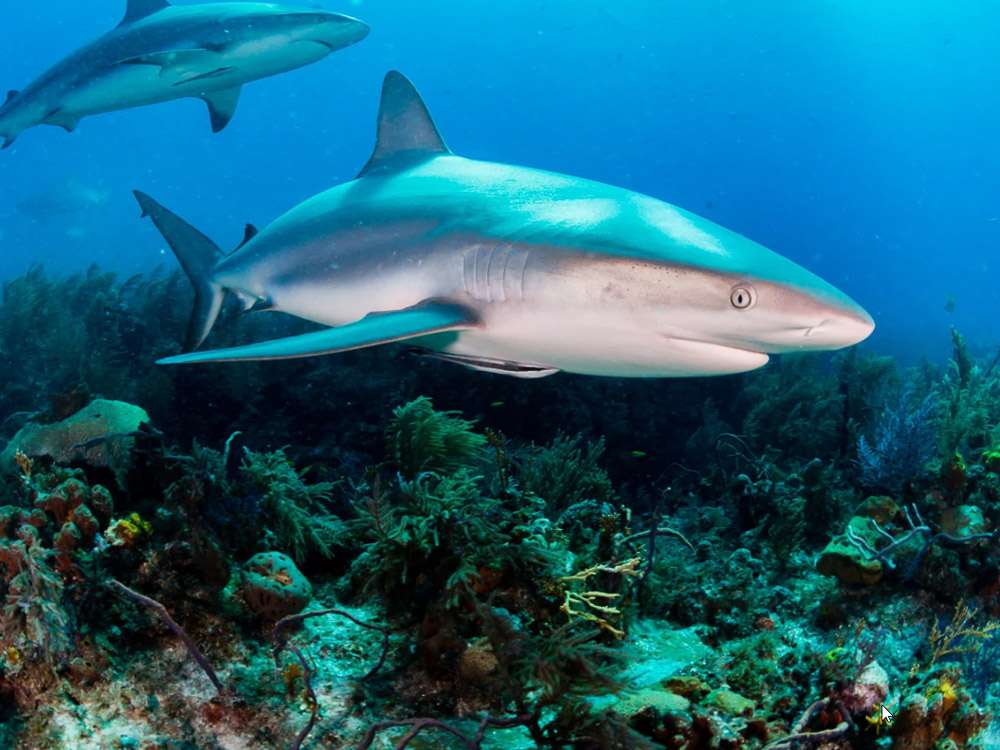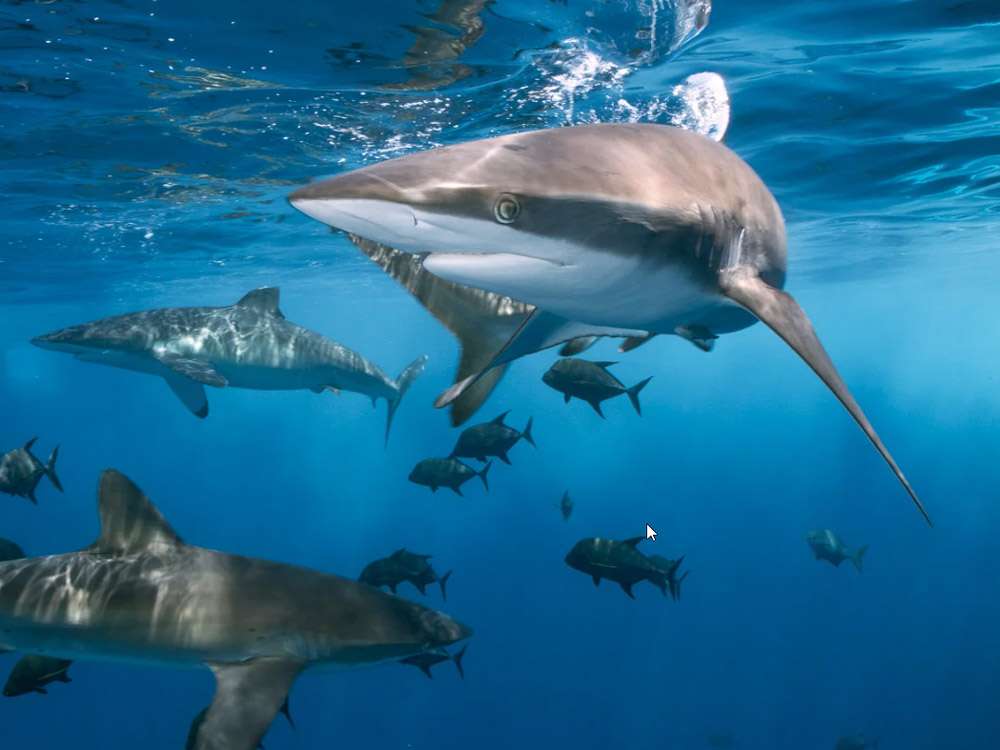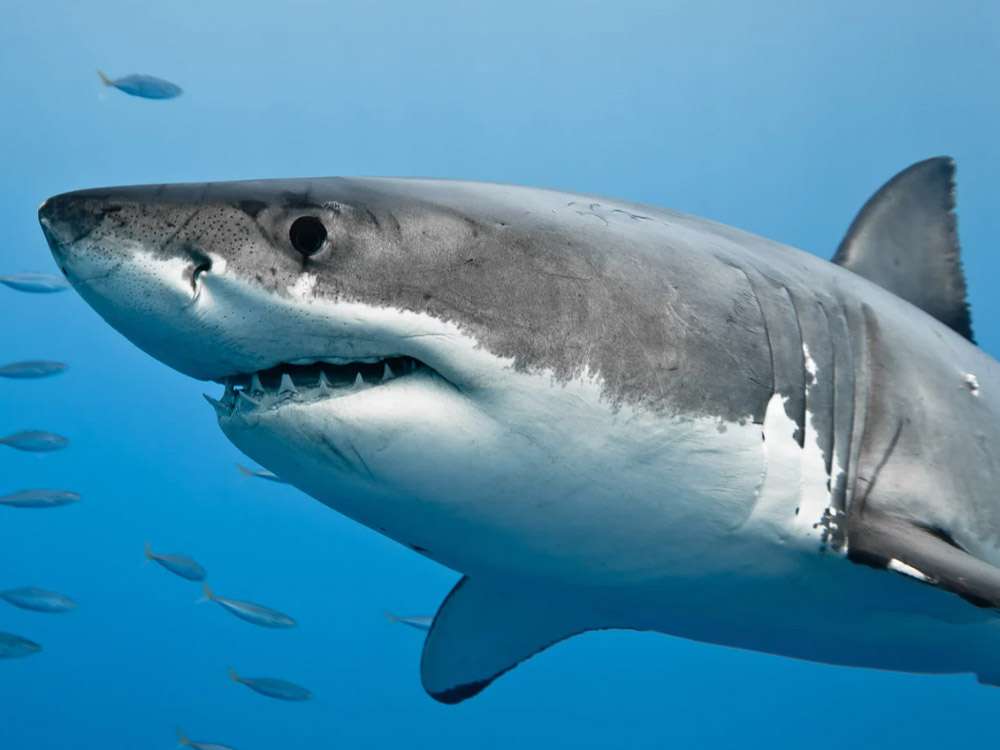





Shark Superpowers

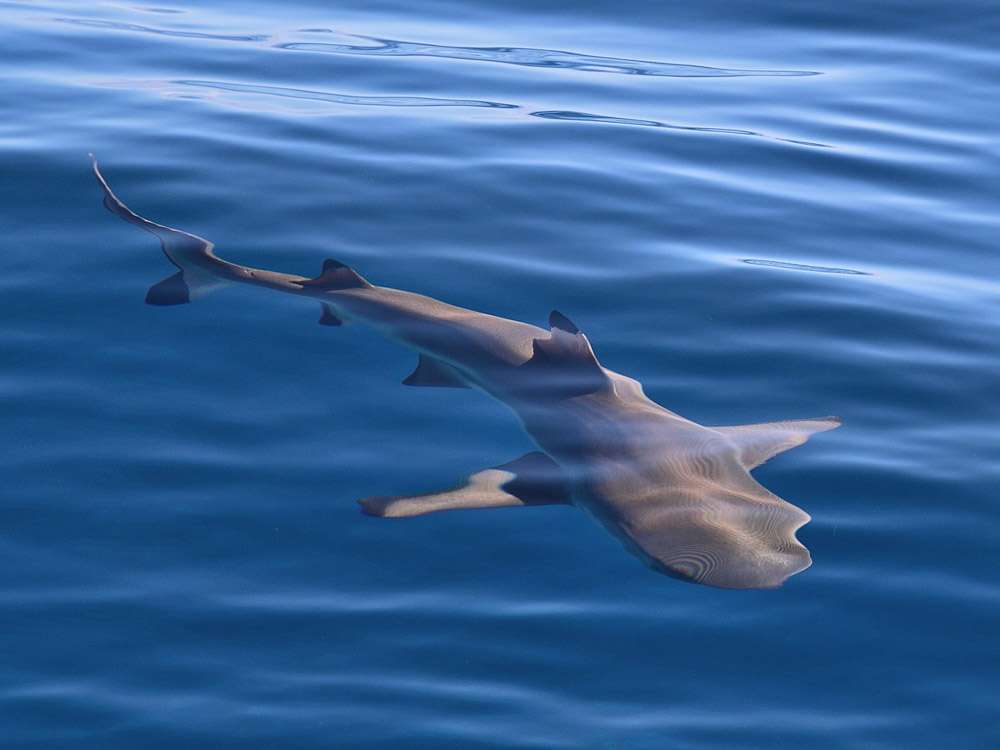
Sharks can feel invisible electricity in the water to find things! Their snouts and can sense the electric fields emitted by animals in the surrounding water. They are also sensitive to temperature shifts in the ocean.
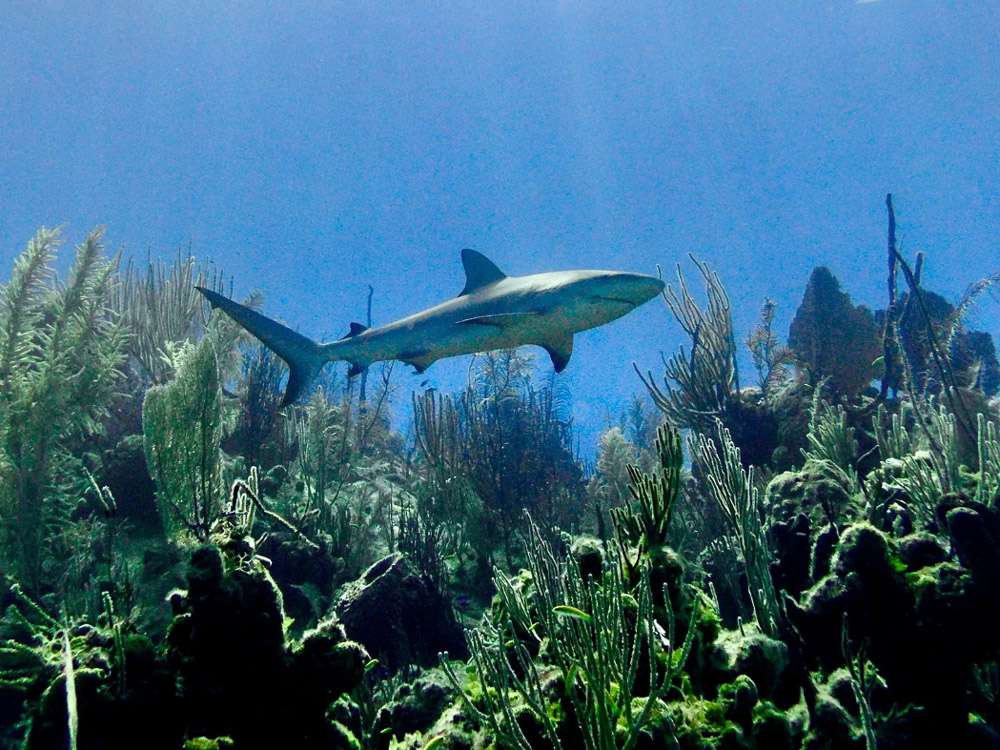
Fascinating Facts
  • Most sharks are cold-blooded
  • All sharks have a ‘sixth sense’ that helps them hone in on prey during the final phase of attack: the ‘ampullae of lorenzini’ are found on sharks’ snouts and can sense the electric fields emitted by animals in the surrounding water and temperature shifts in the ocean.
  • Sharks have been around for over 400 million years – long before dinosaurs. Because their skeletons are made of cartilage (like our noses) instead of bones, they don’t leave fossils like other animals – but fossilised shark teeth have been found.
  • Most sharks can see well in dark lighted areas, have fantastic night vision, and can see colors.
  • Sharks have a strong sense of smell and hearing.
  • Shark skin feels exactly like sandpaper because it is made up of tiny teeth-like structures called placoid scales, also known as dermal denticles. These scales point towards the tail and help reduce friction from surrounding water when the shark swims.
  • When you flip a shark upside down they go into a trance-like state called tonic immobility.
  • Sharks can drown. Some species of sharks have a spiracle that allows them to pull water into their respiratory system while at rest. Most sharks have to keep swimming to pump water over their gills.
  • Whale sharks are the biggest sharks. They can be 50-60 feet in length.
  • The smallest shark is the dwarf lantern shark (smaller than a human hand!), found at depths of 928 — 1,440 feet along the northern tip of South America
  • The shortfin mako shark is the fastest shark. It can reach up to 60 mph when hunting.
  • The average lifespan of a shark is 20-30 years, but the Greenland shark can live up to 400 years.
  • A shark’s jaw is made up of many rows of teeth. Each row is like a conveyor belt, and when a tooth is lost or damaged, a new one will move forward to take its place. A single shark can lose a staggering 30,000 teeth over its lifetime.
Why They Are Important to the Planet
  • Apex predator sharks are needed to keep a balanced and healthy ocean.
  • Sharks protect carbon stores in marine ecosystems not only by preying on herbivorous fish but also by simply causing grazing fish to disperse and reduce their foraging efforts. By reducing the amount of foraging behavior and activity that agitates the sediment on the ocean floor that actively stores carbon, sharks reduce the potential for any loss of stored carbon disturbed by fish movement.
  • Sharks swim throughout the different ocean layers, performing vertical migrations that mix nutrient- and oxygen-rich deep water with nutrient-poor surface waters, helping to oxygenate them and enhance their productivity. This aids creatures living in the ocean’s surface water, like phytoplankton, by getting the nutrients they need to be more productive. Like plants on land, phytoplankton can pull carbon dioxide from the atmosphere and produce oxygen.
  • Sharks also transfer nutrients through their fecal matter. But in addition to the fertilizing effect their fecal matter can have on carbon-storing marine vegetation or phytoplankton, the feces itself also directly contains carbon and stores it at the bottom of the ocean floor when it sinks.
Why We Should Love These Animals
  • Sharks have been around for hundreds of millions of years and have survived five major mass extinction events, outliving dinosaurs. Their resilience and role in our oceans are unmatched.
    • It is increasingly clear that sharks can be important in combating many human diseases. Shark skin has been mimicked in biotechnological research for its ability to repel barnacles and algal growth.
    • A recent research project involving a micropattern called ‘Sharklet’, based on the ridges in shark skin, showed that such a pattern harbored many fewer bacteria than a smooth surface. It’s encouraging news in the fight against the spread of infections in hospitals.
    • A two-layered skin repair product called Integra Omnigraft Dermal Regeneration Matrix has been developed to deal with persistent foot ulcers caused by diabetes.
    • It is also being used to help heal life-threatening burns.
  • These animals produce mini-antibodies that are only about half the size of conventional ones.Still being researched, it is thought that these small antibodies may be able to find their way deeper into tissues which their larger relatives have trouble penetrating.
    • Ossianix, a Philadelphia-based biotech firm, has made use of part of a shark mini-antibody that binds to a receptor controlling access to the blood-brain barrier. This may allow entrance for cancer-killing larger antibodies. This approach could also be used to fight Alzheimer’s and Parkinson’s.
  • Another possible treatment for human disease is hoped to be used in treating pulmonary fibrosis. This is a respiratory disease which results in scarring of the lungs.
  • Sharks are better able than we are to maintain and even repair their DNA. If researchers can figure out how sharks do this, it is hoped that they can apply this knowledge to the treatment of cancers and age-related human diseases.
Videos and Resources
Gold Transparency 2023 Candid badge.

GuideStar is the world’s largest source of information on nonprofit organizations.


They gather and provide access to the most comprehensive, up-to-date, and accurate nonprofit information which is available to potential funders and donors.

Less than five percent of non-profits registered with GuideStar are recognized with a Gold Seal. A Gold Seal status is the leading symbol of non-profit transparency and accountability.

Start a Community Garden

A community garden is a wonderful way to bring people together while growing fresh, healthy food. Kids can ask their school, local library, or community center if there’s space to start a garden, then invite neighbors and classmates to help plant, water, and harvest vegetables or flowers. Some gardens even donate their extra produce to food banks or share it with neighbors who need it. It’s a hands-on way to learn about nature, teamwork, and taking care of your community’s shared spaces.

SAFE Worldwide Kid's Zone

Raise Funds for Local Wildlife Center

Wildlife centers take care of injured or orphaned animals, and they always need extra support to keep helping. Kids can host a bake sale, lemonade stand, or online fundraiser, or organize a “walk-a-thon” with friends and family to raise money for a wildlife rescue near them. You could also collect donated supplies the center needs, like towels, blankets, or pet food. Even a small donation can help feed, shelter, or heal an animal in need.

SAFE Worldwide Kid's Zone

Recycling Project

Recycling projects let kids turn everyday trash into something useful — or at least keep it out of landfills! You could start a recycling bin program at your school, organize a can and bottle drive to raise money for charity, or get creative and turn old materials into art, planters, or bird feeders. You might even research your town’s recycling rules and make a poster or flyer to help neighbors recycle correctly. Small habits, like rinsing containers or separating paper from plastic, add up to a big impact when a whole community joins in.

SAFE Worldwide Kid's Zone

Booth at Local Farmers Markets

Setting up a booth at your local farmers market is a great way to get your whole neighborhood excited about helping the planet. You could raise money for a cause you care about — like a wildlife shelter, a tree-planting group, or a beach cleanup fund — by selling homemade crafts, lemonade, or baked goods. You could also use your booth to teach people about recycling, showing them fun facts or simple tips for sorting their trash the right way. It’s a great way to practice public speaking, teamwork, and making a real difference in your community.

SAFE Worldwide Kid's Zone

Beach Clean-Ups

Every year on the third Saturday of September, people around the world celebrate International Coastal Cleanup Day, and you can sign up with local groups in your community to join thousands of other volunteers picking up trash along the shore. But you don’t have to wait for that one day — cleanups can happen any time! Grab some gloves, trash bags, and a few friends, and organize your own cleanup day at a nearby river, stream, lake, or beach. It’s a fun way to hang out with friends while protecting fish, turtles, and birds from plastic and litter. Nationalcleanupday.

SAFE Worldwide Kid's Zone

Tree Planting Events

Planting trees is one of the easiest ways kids can help fight climate change and give animals a home. You can join organizations like SAFE Worldwide, One Tree Planted, or the Arbor Day Foundation, which often have kid-friendly volunteer days and even let you sponsor a tree from home. Or, team up with your family, neighbors, or scout troop to start your own mini tree-planting project in a local park, schoolyard, or empty lot (just ask permission first!). Every tree you plant helps clean the air, cool the planet, and grow into a home for birds and squirrels for years to come.

SAFE Worldwide Kid's Zone