





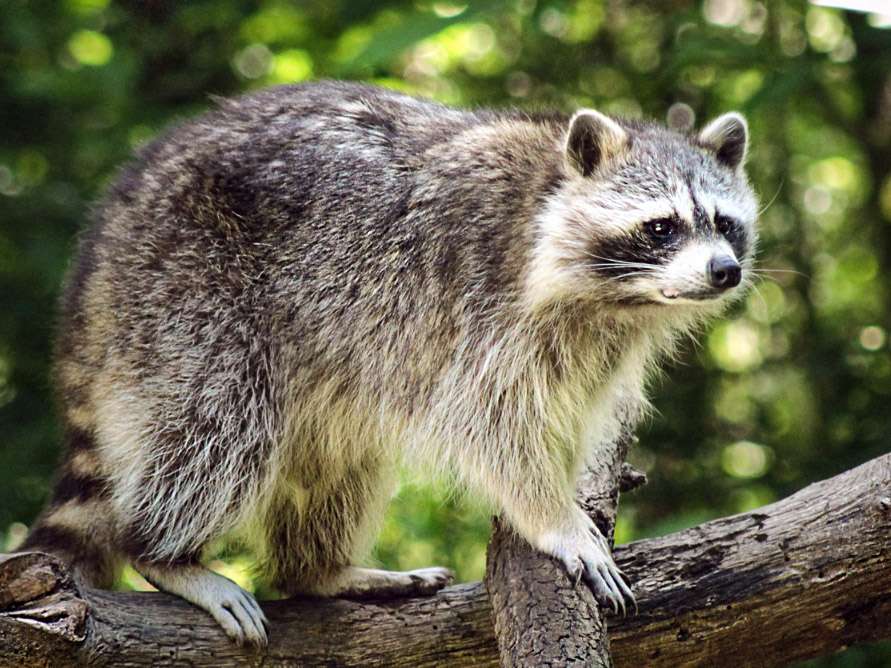
Compared with most mammals, raccoons have four to five times more sensory cells in their paws. They can get an image of what an object is without even looking at it, so the raccoons actually see with their hands.
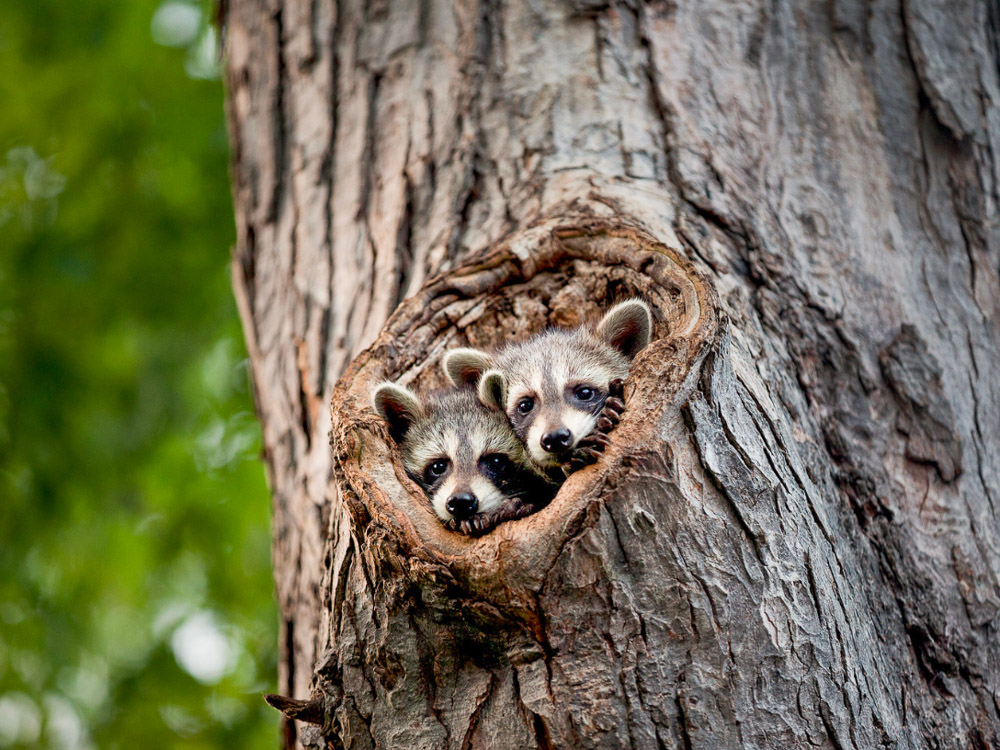
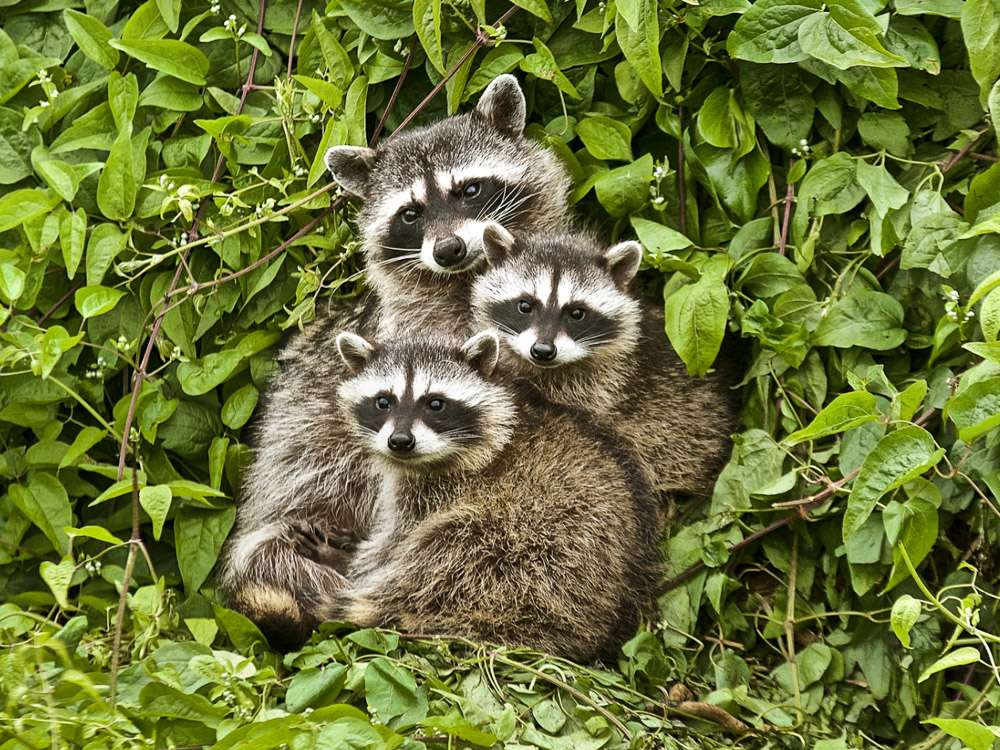
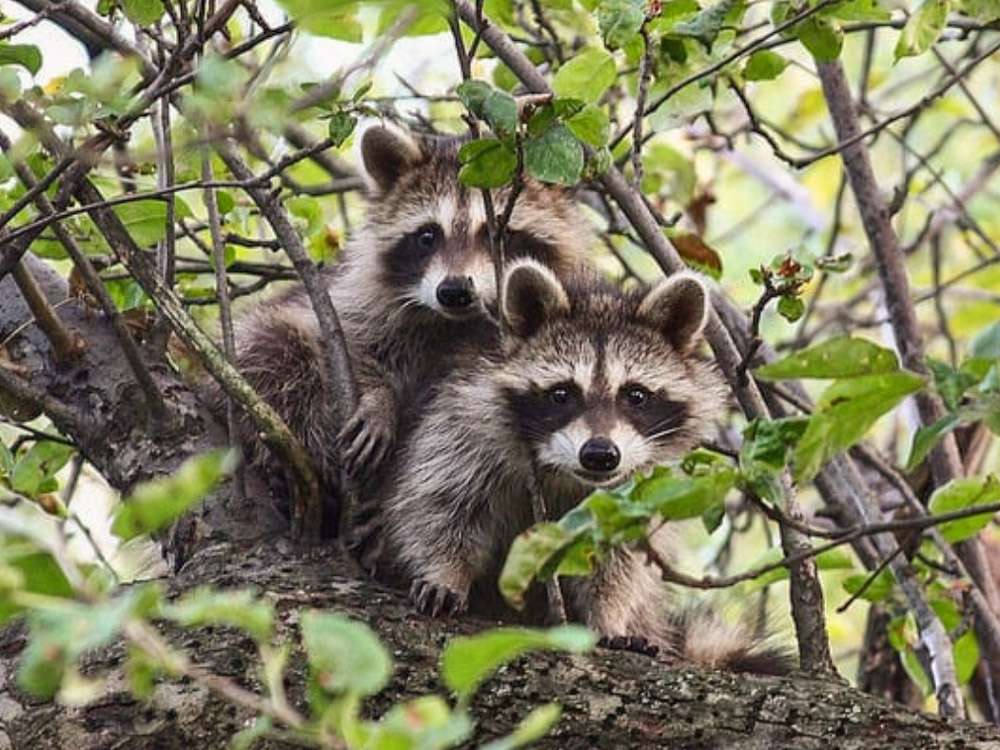
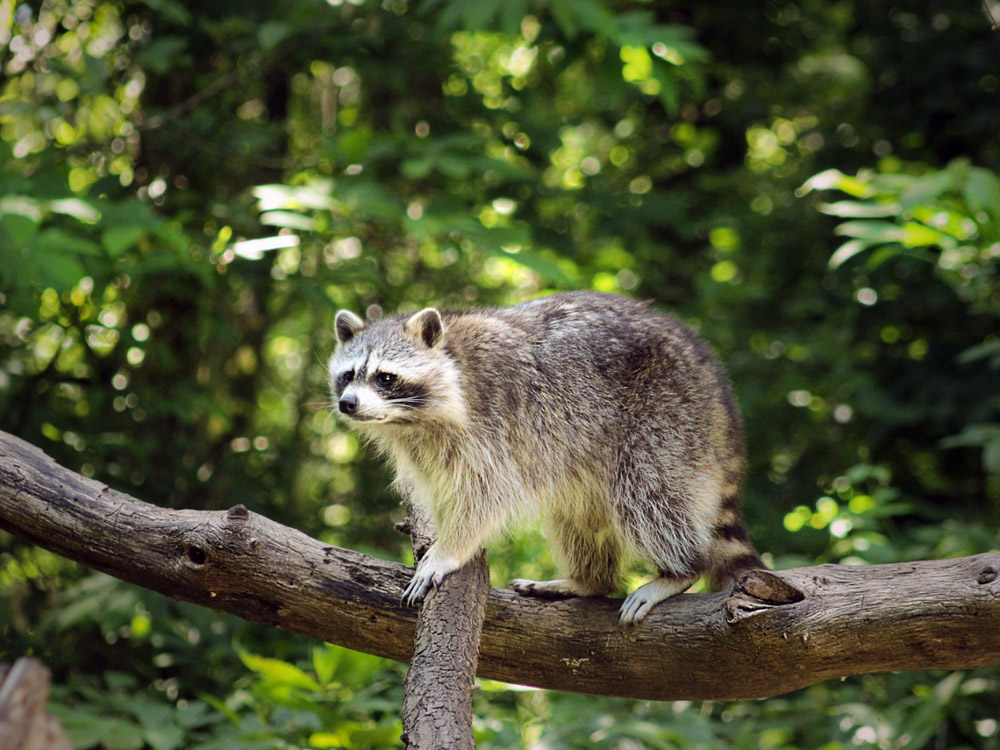
“One Columbia friend told me about one night when, as she cried on a bench in Riverside, a raccoon came up to her and stared at her with a look of understanding. She said it felt like some sort of message. It seems any student I talk to who has crossed paths with these small fellows, Barnard or Columbia, feels a sense of kinship with them. …their presence made me so at peace that I had the strength to keep going. …Every time, seeing the raccoons brought me a little light in what felt like a dark city. I am not exaggerating when I say I can’t imagine my life without them. …I walked further down the pathway to find another group of raccoons, these ones clamoring over the trees. “Don’t fall!” said a little girl. “Don’t worry, they won’t fall,” her brother said wisely. “They’re helping each other, look!” Sure enough, when I looked up, the bigger raccoons were carefully watching to make sure their smaller brethren didn’t tumble. … They remind me to be curious. They remind me to be resourceful. They remind me to let myself hibernate when I need it. I believe that all of us can learn from these critters.”
“…apparently these raccoons came by one day and stole his girlfriend’s shoes. But they were just sitting outside. They came by, stole the shoes, and then a few days after that the shoes were back where she’d left them, except now they’ve been washed.
They’ve been so like the raccoons washed the shoes or what. … One of the earliest and most famous studies of raccoon intelligence was carried out in the early d by this animal behavior scientist named H. B. Davis, and he rounded up a dozen wild raccoons and then presented them with a series of puzzle boxes, each of which was baited with a piece of food and outfitted with a different kind of lock. …So the raccoons have to contend with a variety of lock types, including hooks, bolts, buttons, latches, and levers I guess, and some boxes even had multiple locks, like two buttons or a push bar and a lift latch, and so it gets pretty complicated. But despite Davis throwing everything he could at them, in the end, the raccoons could, I guess, open eleven of the thirteen different complicated lock types, and most of the animals mastered a few of them in fewer than ten tries. …So the raccoons have to contend with a variety of lock types, including hooks, bolts, buttons, latches, and levers I guess, and some boxes even had multiple locks, like two buttons or a pushbar and a lift latch, and so it gets pretty complicated. They may be cute, but they definitely look like outlaws.

A community garden is a wonderful way to bring people together while growing fresh, healthy food. Kids can ask their school, local library, or community center if there’s space to start a garden, then invite neighbors and classmates to help plant, water, and harvest vegetables or flowers. Some gardens even donate their extra produce to food banks or share it with neighbors who need it. It’s a hands-on way to learn about nature, teamwork, and taking care of your community’s shared spaces.
Wildlife centers take care of injured or orphaned animals, and they always need extra support to keep helping. Kids can host a bake sale, lemonade stand, or online fundraiser, or organize a “walk-a-thon” with friends and family to raise money for a wildlife rescue near them. You could also collect donated supplies the center needs, like towels, blankets, or pet food. Even a small donation can help feed, shelter, or heal an animal in need.
Recycling projects let kids turn everyday trash into something useful — or at least keep it out of landfills! You could start a recycling bin program at your school, organize a can and bottle drive to raise money for charity, or get creative and turn old materials into art, planters, or bird feeders. You might even research your town’s recycling rules and make a poster or flyer to help neighbors recycle correctly. Small habits, like rinsing containers or separating paper from plastic, add up to a big impact when a whole community joins in.
Setting up a booth at your local farmers market is a great way to get your whole neighborhood excited about helping the planet. You could raise money for a cause you care about — like a wildlife shelter, a tree-planting group, or a beach cleanup fund — by selling homemade crafts, lemonade, or baked goods. You could also use your booth to teach people about recycling, showing them fun facts or simple tips for sorting their trash the right way. It’s a great way to practice public speaking, teamwork, and making a real difference in your community.
Every year on the third Saturday of September, people around the world celebrate International Coastal Cleanup Day, and you can sign up with local groups in your community to join thousands of other volunteers picking up trash along the shore. But you don’t have to wait for that one day — cleanups can happen any time! Grab some gloves, trash bags, and a few friends, and organize your own cleanup day at a nearby river, stream, lake, or beach. It’s a fun way to hang out with friends while protecting fish, turtles, and birds from plastic and litter. Nationalcleanupday.
Planting trees is one of the easiest ways kids can help fight climate change and give animals a home. You can join organizations like SAFE Worldwide, One Tree Planted, or the Arbor Day Foundation, which often have kid-friendly volunteer days and even let you sponsor a tree from home. Or, team up with your family, neighbors, or scout troop to start your own mini tree-planting project in a local park, schoolyard, or empty lot (just ask permission first!). Every tree you plant helps clean the air, cool the planet, and grow into a home for birds and squirrels for years to come.