





Opossum Superpowers

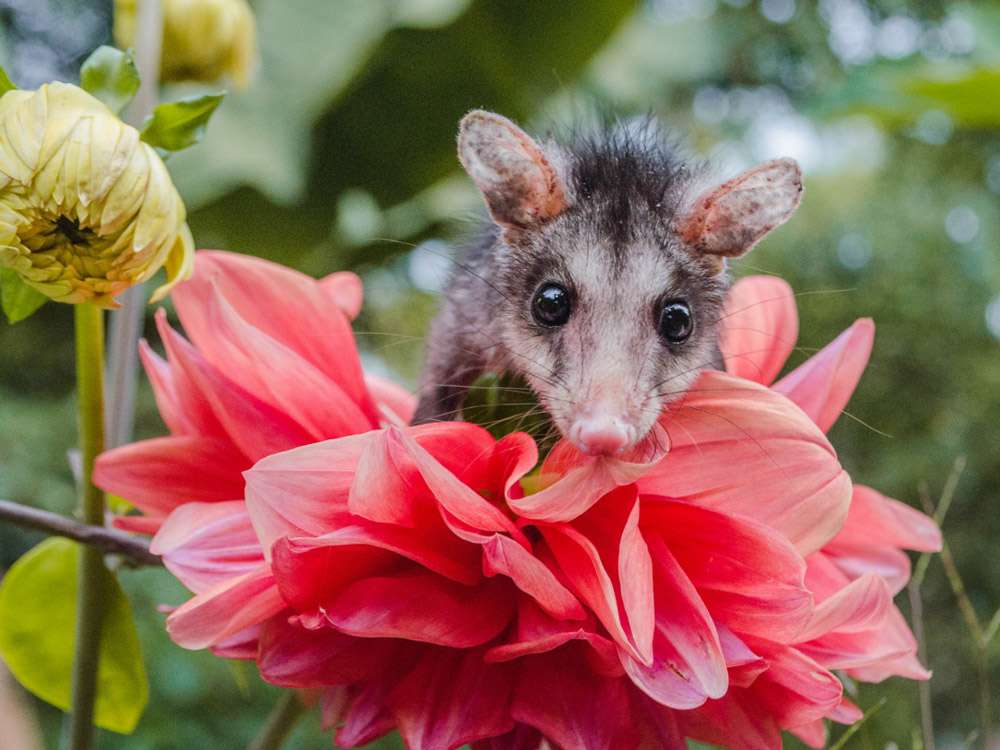
While opossums are often stung by bees and scorpions, they have an impressive ability to tolerate those poisons. Opossums are immune to snake venom.
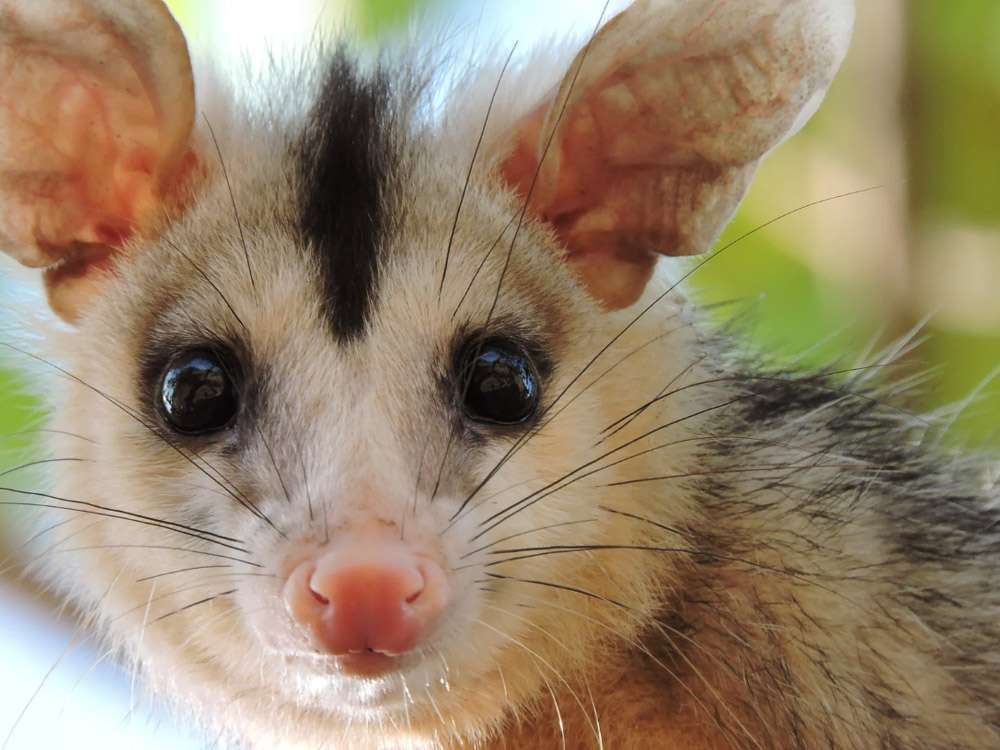
Fascinating Facts
  • While they’re both marsupials, opossums live in North and South America. The most common is the Virginia Opossum. Possums, on the other hand, live in Australia and other countries.
  • While many wonder whether opossums can get rabies, their body temperature is too low for the virus to survive like it does in other mammals, such as raccoons and bats.
  • While opossums are often stung by bees and scorpions, they have an impressive ability to tolerate those poisons.
  • They are resistant to most forms of snake venom, including venom from rattlesnakes and copperheads.
  • Opossums originated in South America and spread to North America when the continents conjoined. While a total of 103 species have been recorded throughout the Americas, these species are not found in any other region on Earth.
  • Opossums have 50 teeth!
  • One of the most commonly known habits of opossums is “playing dead” or, as it is frequently called, “playing possum.” …if it is surprised by a predator, it will enter a catatonic state. It basically faints and is in a state of unconsciousness. The opossum has no control over this; it’s involuntary.It does indeed appear if the opossum is dead. Its teeth are visible, as if in a death grimace. It emits a foul substance from its anus, the smell described as corpse-like.
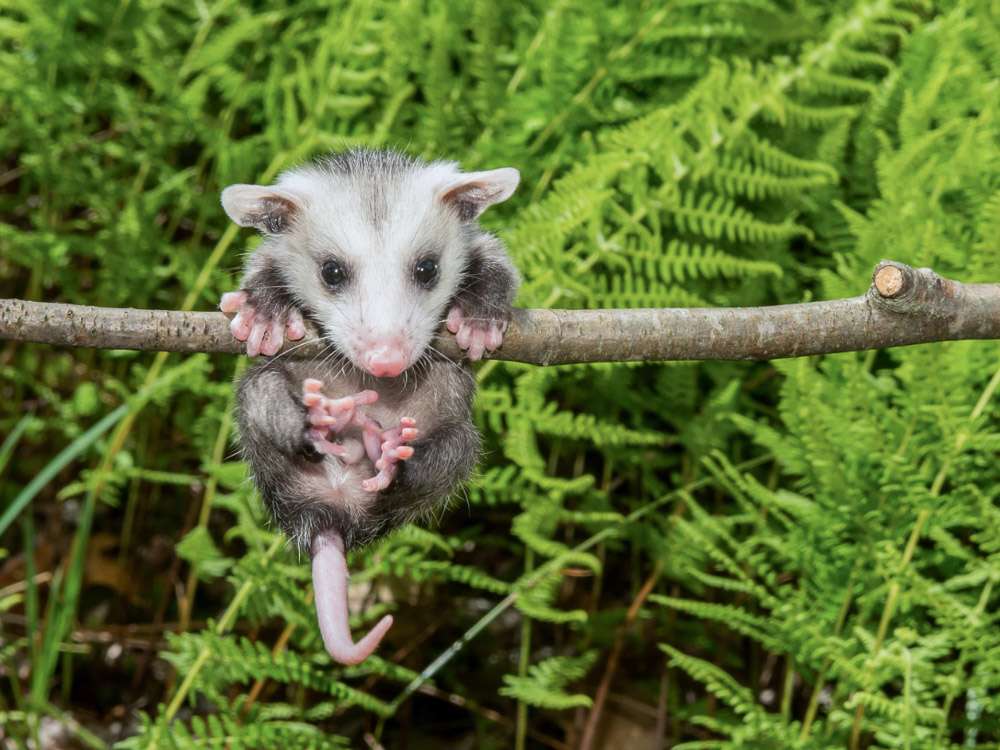
  • Baby Virginia opossums are born hairless and sightless and are about the size of a honeybee.
  • Opossums will eat just about anything. Earthworms and insects found in yards, garden plants and garbage create an opossum smorgasbord.
  • Their tails (and ears) are hairless, making them particularly susceptible to frostbite and even hypothermia.
  • Opossums will den for a few days to escape the cold, but they don’t hibernate. They have to feed periodically. Sometimes they’ll change their nocturnal habits and feed in daylight hours during the winter, to take advantage of warmer temperatures.
  • Just like humans and other primates, the possum has the equivalent of opposable thumbs.
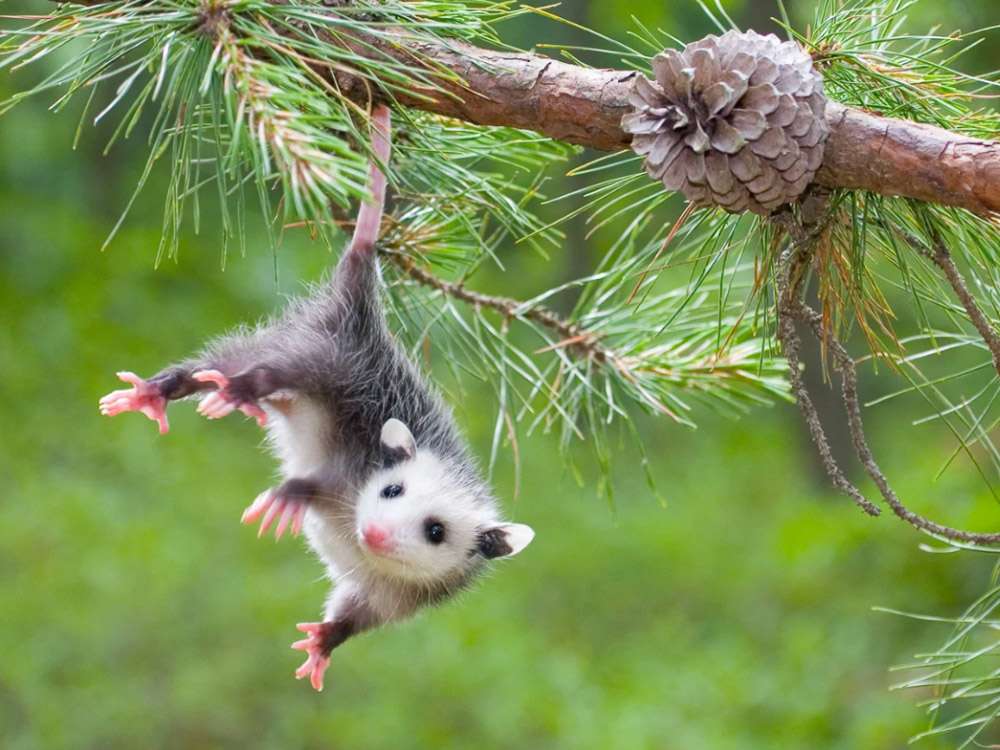
  • Opossums have prehensile tails that they use like a hand or a fifth appendage. Their tails allow them to grasp, carry, and wrap around things like tree limbs. Opossums can hang from their tails, but only for brief periods.
  • Sanitation workers of the wild, opossums have an unusually high need for calcium, which incites possums to eat the skeletons of rodents and roadkill they consume.
Why They Are Important to the Planet
  • As city wildlife goes, opossums make good neighbors. They rarely contract rabies. They won’t eat your pets. They will gobble up garbage, including bones and other refuse raccoons won’t touch.
  • These harmless creatures pose absolutely no threat to people, and they are far more beneficial as scavengers than harmful for any damage they might do.
  • The good news is, if you can keep them out of the places where you don’t want them, opossums are actually pretty amazing creatures to have on the homestead.
  • By their very nature, opossums are neither aggressive nor destructive, and do not pose a threat to humans.
Why We Should Love These Animals
  • Their ability to survive in various environments showcases their resilience and resourcefulness.
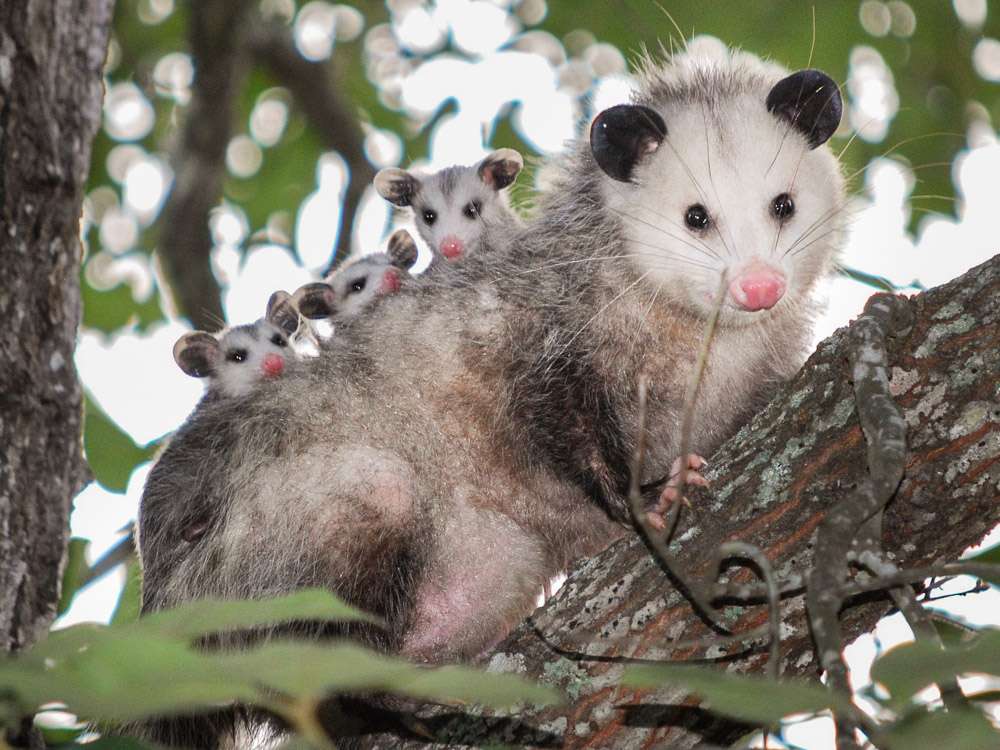
  • They invest more energy in their babies than any other carnivore.
  • Hyena cubs are some of the cutest and most playful mammals in the entire animal kingdom.
  • When it comes to family support, all mothers within a clan collectively nurse and protect the cubs. All members will cooperatively bring food from a hunt or scavenge to share with the little ones.
Videos and Resources
Gold Transparency 2023 Candid badge.

GuideStar is the world’s largest source of information on nonprofit organizations.


They gather and provide access to the most comprehensive, up-to-date, and accurate nonprofit information which is available to potential funders and donors.

Less than five percent of non-profits registered with GuideStar are recognized with a Gold Seal. A Gold Seal status is the leading symbol of non-profit transparency and accountability.

Start a Community Garden

A community garden is a wonderful way to bring people together while growing fresh, healthy food. Kids can ask their school, local library, or community center if there’s space to start a garden, then invite neighbors and classmates to help plant, water, and harvest vegetables or flowers. Some gardens even donate their extra produce to food banks or share it with neighbors who need it. It’s a hands-on way to learn about nature, teamwork, and taking care of your community’s shared spaces.

SAFE Worldwide Kid's Zone

Raise Funds for Local Wildlife Center

Wildlife centers take care of injured or orphaned animals, and they always need extra support to keep helping. Kids can host a bake sale, lemonade stand, or online fundraiser, or organize a “walk-a-thon” with friends and family to raise money for a wildlife rescue near them. You could also collect donated supplies the center needs, like towels, blankets, or pet food. Even a small donation can help feed, shelter, or heal an animal in need.

SAFE Worldwide Kid's Zone

Recycling Project

Recycling projects let kids turn everyday trash into something useful — or at least keep it out of landfills! You could start a recycling bin program at your school, organize a can and bottle drive to raise money for charity, or get creative and turn old materials into art, planters, or bird feeders. You might even research your town’s recycling rules and make a poster or flyer to help neighbors recycle correctly. Small habits, like rinsing containers or separating paper from plastic, add up to a big impact when a whole community joins in.

SAFE Worldwide Kid's Zone

Booth at Local Farmers Markets

Setting up a booth at your local farmers market is a great way to get your whole neighborhood excited about helping the planet. You could raise money for a cause you care about — like a wildlife shelter, a tree-planting group, or a beach cleanup fund — by selling homemade crafts, lemonade, or baked goods. You could also use your booth to teach people about recycling, showing them fun facts or simple tips for sorting their trash the right way. It’s a great way to practice public speaking, teamwork, and making a real difference in your community.

SAFE Worldwide Kid's Zone

Beach Clean-Ups

Every year on the third Saturday of September, people around the world celebrate International Coastal Cleanup Day, and you can sign up with local groups in your community to join thousands of other volunteers picking up trash along the shore. But you don’t have to wait for that one day — cleanups can happen any time! Grab some gloves, trash bags, and a few friends, and organize your own cleanup day at a nearby river, stream, lake, or beach. It’s a fun way to hang out with friends while protecting fish, turtles, and birds from plastic and litter. Nationalcleanupday.

SAFE Worldwide Kid's Zone

Tree Planting Events

Planting trees is one of the easiest ways kids can help fight climate change and give animals a home. You can join organizations like SAFE Worldwide, One Tree Planted, or the Arbor Day Foundation, which often have kid-friendly volunteer days and even let you sponsor a tree from home. Or, team up with your family, neighbors, or scout troop to start your own mini tree-planting project in a local park, schoolyard, or empty lot (just ask permission first!). Every tree you plant helps clean the air, cool the planet, and grow into a home for birds and squirrels for years to come.

SAFE Worldwide Kid's Zone