





Hyena Superpowers

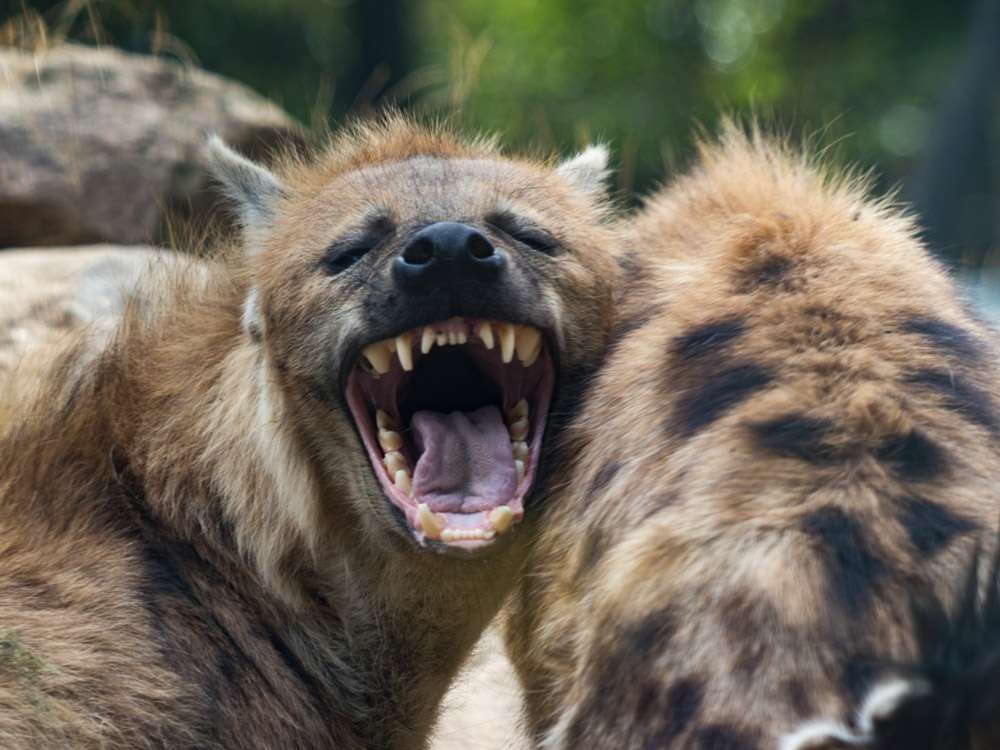
Hyenas have one of the most powerful bites in the animal kingdom, capable of crushing bones to access the nutritious marrow inside. They can digest skin, bones, and even hooves, leaving almost nothing of their prey behind.
Fascinating Facts
  • Although they look more like dogs, hyenas belong to the suborder Feliformia, making them closer relatives to cats, mongoose, and meerkats than to dogs.
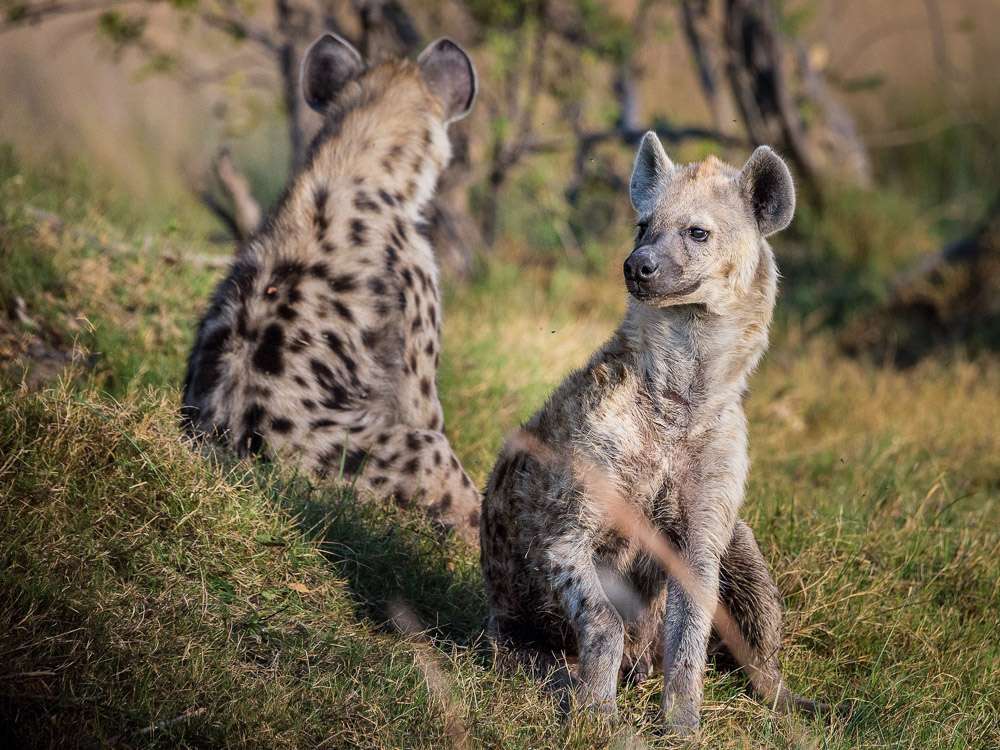
  • Hyena clans are female-dominated. Females are larger, more aggressive, and hold higher-ranking positions than males in the social hierarchy.
  • Hyenas live in groups called clans, with up to 80 individuals.
  • Hyenas are skilled hunters and can take down prey as large as wildebeests. In some species, up to 95% of their diet comes from hunting. Spotted hyenas in particular are actually quite good at hunting.
  • Hyenas produce a wide range of sounds, including their famous “laugh,” which signals excitement or nervousness and conveys social information.
  • Hyenas have one of the most powerful bites in the animal kingdom, capable of crushing bones to access the nutritious marrow inside.
  • Efficient Digestive System: They can digest skin, bones, and even hooves, leaving almost nothing of their prey behind.
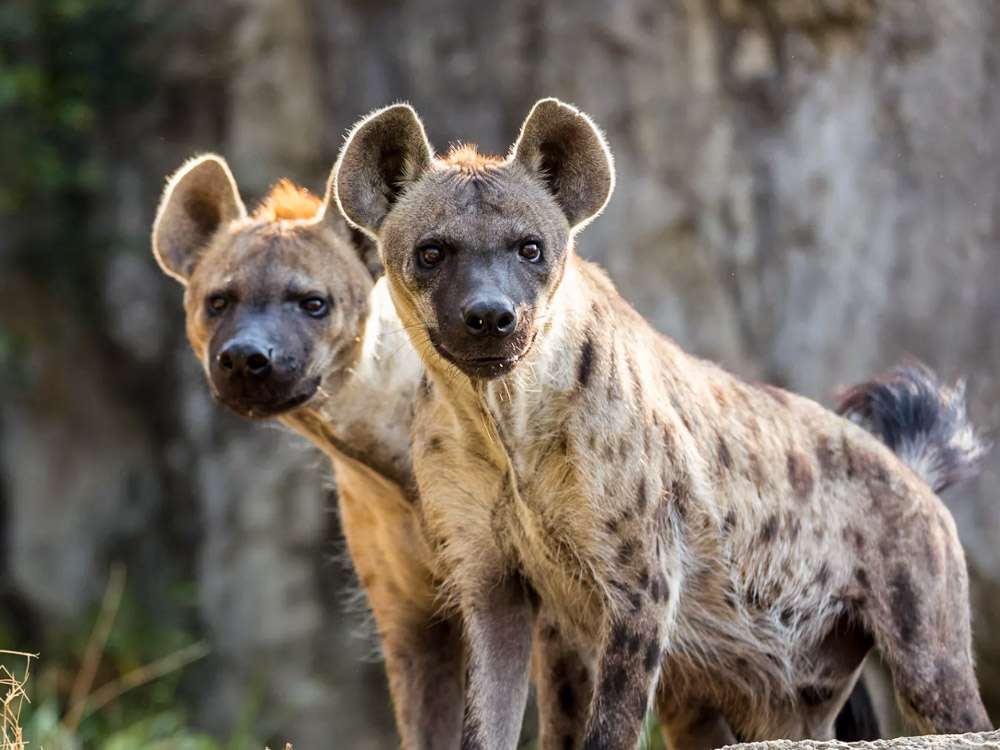
  • Hyenas have demonstrated problem-solving skills comparable to primates.
  • Hyenas are primarily nocturnal, and their sharp night vision helps them hunt in the dark.
  • While hyenas are carnivores and carrion-eaters, and they have been known to steal food from other predators, they are no more likely than any other mammal to attack a human.
Why They Are Important to the Planet
  • Hyenas play a crucial role in ecosystems by keeping prey populations and preventing overgrazing.
  • In consuming carrion, they help prevent the spread of disease, especially anthrax and rabies.
  • When they excrete waste, it returns essential nutrients like calcium and phosphorus to the soil, enriching the environment for plants.
  • Hyenas often target sick, weak, or injured animals. This strengthens prey populations by removing individuals less likely to survive and reproduce, promoting healthier gene pools.
  • They compete with other carnivores like lions, leopards, and wild dogs. This maintains a balance of power among predators and prevents any single species from dominating the ecosystem.
  • By breaking down large carcasses into smaller pieces, hyenas make it easier for smaller scavengers like vultures and jackals to access food they might otherwise miss.
  • Changes in hyena populations can indicate shifts in ecosystem health, making them valuable for conservation monitoring.
Why We Should Love These Animals
  • Their ability to survive in various environments showcases their resilience and resourcefulness.
  • They invest more energy in their babies than any other carnivore.
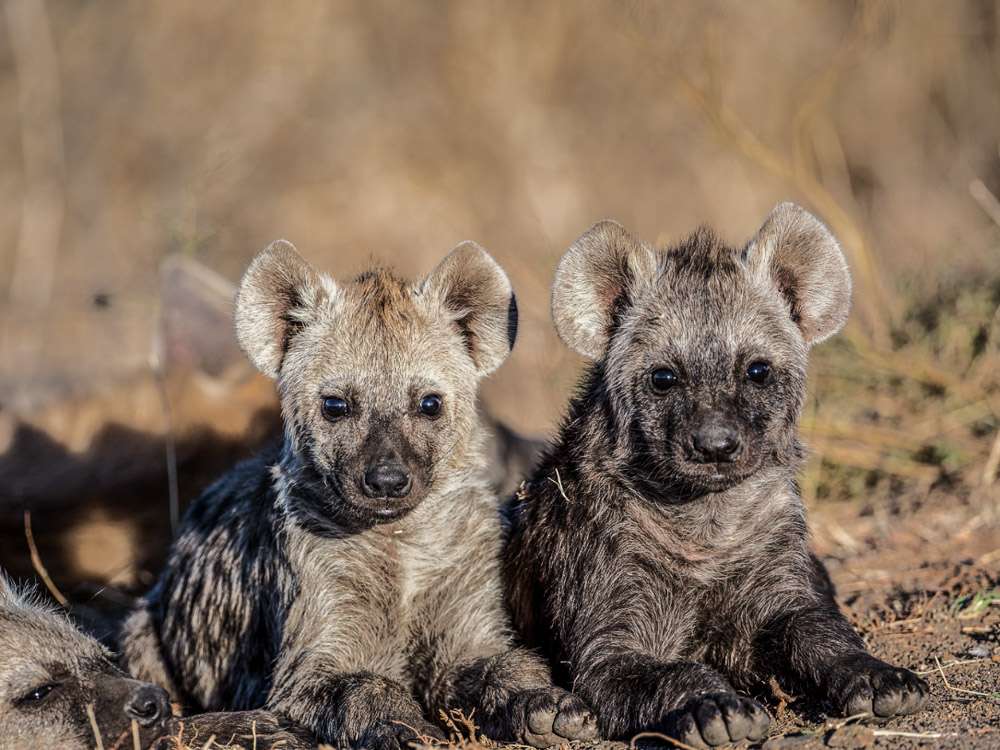
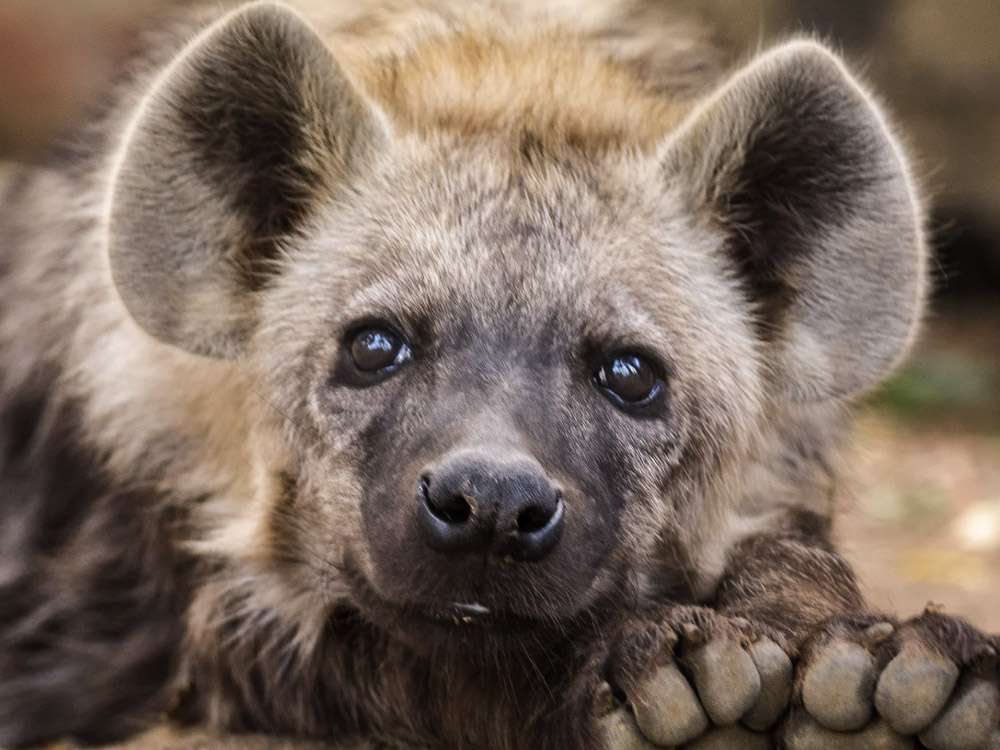
  • Hyena cubs are some of the cutest and most playful mammals in the entire animal kingdom.
  • When it comes to family support, all mothers within a clan collectively nurse and protect the cubs. All members will cooperatively bring food from a hunt or scavenge to share with the little ones.
Videos and Activities

Activity

Create artwork depicting a day in the life of a hyena. This can include drawing, painting, or even a short comic strip. Share it with SAFE Worldwide.

Gold Transparency 2023 Candid badge.

GuideStar is the world’s largest source of information on nonprofit organizations.


They gather and provide access to the most comprehensive, up-to-date, and accurate nonprofit information which is available to potential funders and donors.

Less than five percent of non-profits registered with GuideStar are recognized with a Gold Seal. A Gold Seal status is the leading symbol of non-profit transparency and accountability.

Start a Community Garden

A community garden is a wonderful way to bring people together while growing fresh, healthy food. Kids can ask their school, local library, or community center if there’s space to start a garden, then invite neighbors and classmates to help plant, water, and harvest vegetables or flowers. Some gardens even donate their extra produce to food banks or share it with neighbors who need it. It’s a hands-on way to learn about nature, teamwork, and taking care of your community’s shared spaces.

SAFE Worldwide Kid's Zone

Raise Funds for Local Wildlife Center

Wildlife centers take care of injured or orphaned animals, and they always need extra support to keep helping. Kids can host a bake sale, lemonade stand, or online fundraiser, or organize a “walk-a-thon” with friends and family to raise money for a wildlife rescue near them. You could also collect donated supplies the center needs, like towels, blankets, or pet food. Even a small donation can help feed, shelter, or heal an animal in need.

SAFE Worldwide Kid's Zone

Recycling Project

Recycling projects let kids turn everyday trash into something useful — or at least keep it out of landfills! You could start a recycling bin program at your school, organize a can and bottle drive to raise money for charity, or get creative and turn old materials into art, planters, or bird feeders. You might even research your town’s recycling rules and make a poster or flyer to help neighbors recycle correctly. Small habits, like rinsing containers or separating paper from plastic, add up to a big impact when a whole community joins in.

SAFE Worldwide Kid's Zone

Booth at Local Farmers Markets

Setting up a booth at your local farmers market is a great way to get your whole neighborhood excited about helping the planet. You could raise money for a cause you care about — like a wildlife shelter, a tree-planting group, or a beach cleanup fund — by selling homemade crafts, lemonade, or baked goods. You could also use your booth to teach people about recycling, showing them fun facts or simple tips for sorting their trash the right way. It’s a great way to practice public speaking, teamwork, and making a real difference in your community.

SAFE Worldwide Kid's Zone

Beach Clean-Ups

Every year on the third Saturday of September, people around the world celebrate International Coastal Cleanup Day, and you can sign up with local groups in your community to join thousands of other volunteers picking up trash along the shore. But you don’t have to wait for that one day — cleanups can happen any time! Grab some gloves, trash bags, and a few friends, and organize your own cleanup day at a nearby river, stream, lake, or beach. It’s a fun way to hang out with friends while protecting fish, turtles, and birds from plastic and litter. Nationalcleanupday.

SAFE Worldwide Kid's Zone

Tree Planting Events

Planting trees is one of the easiest ways kids can help fight climate change and give animals a home. You can join organizations like SAFE Worldwide, One Tree Planted, or the Arbor Day Foundation, which often have kid-friendly volunteer days and even let you sponsor a tree from home. Or, team up with your family, neighbors, or scout troop to start your own mini tree-planting project in a local park, schoolyard, or empty lot (just ask permission first!). Every tree you plant helps clean the air, cool the planet, and grow into a home for birds and squirrels for years to come.

SAFE Worldwide Kid's Zone