





Echo Navigator
Using echolocation, bats can “see” in complete darkness with incredible precision.
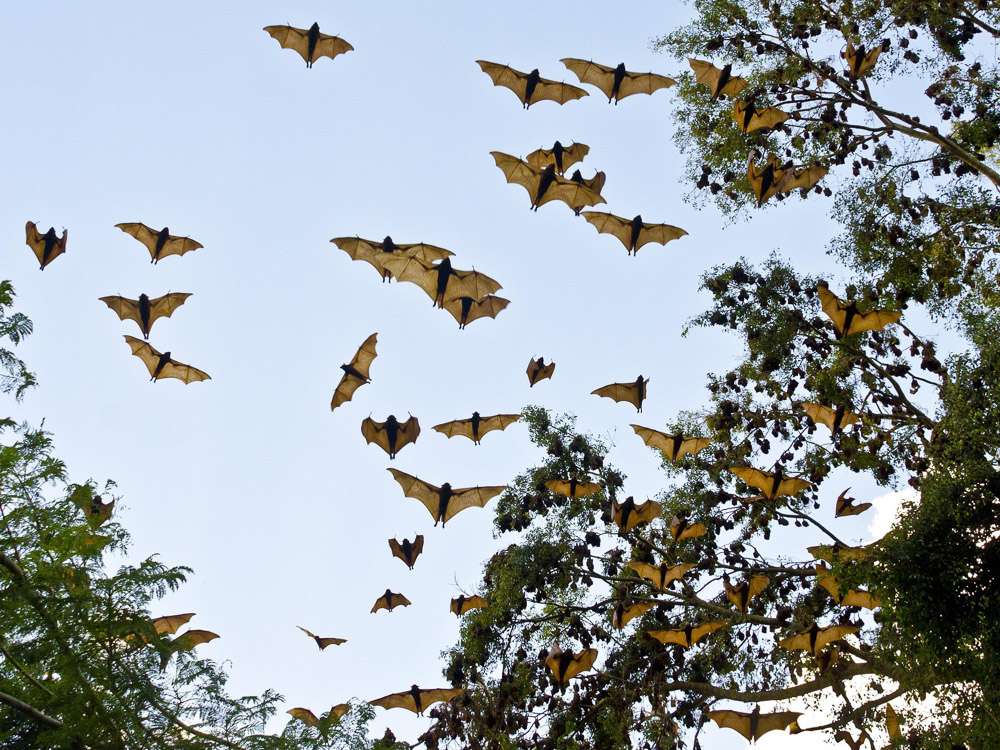
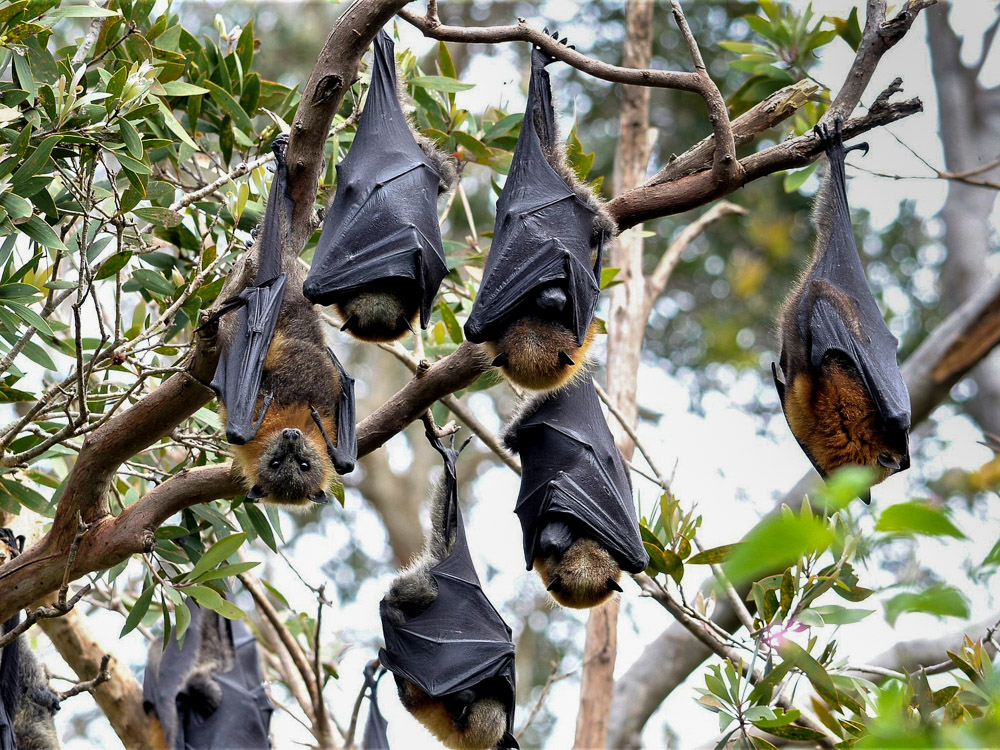
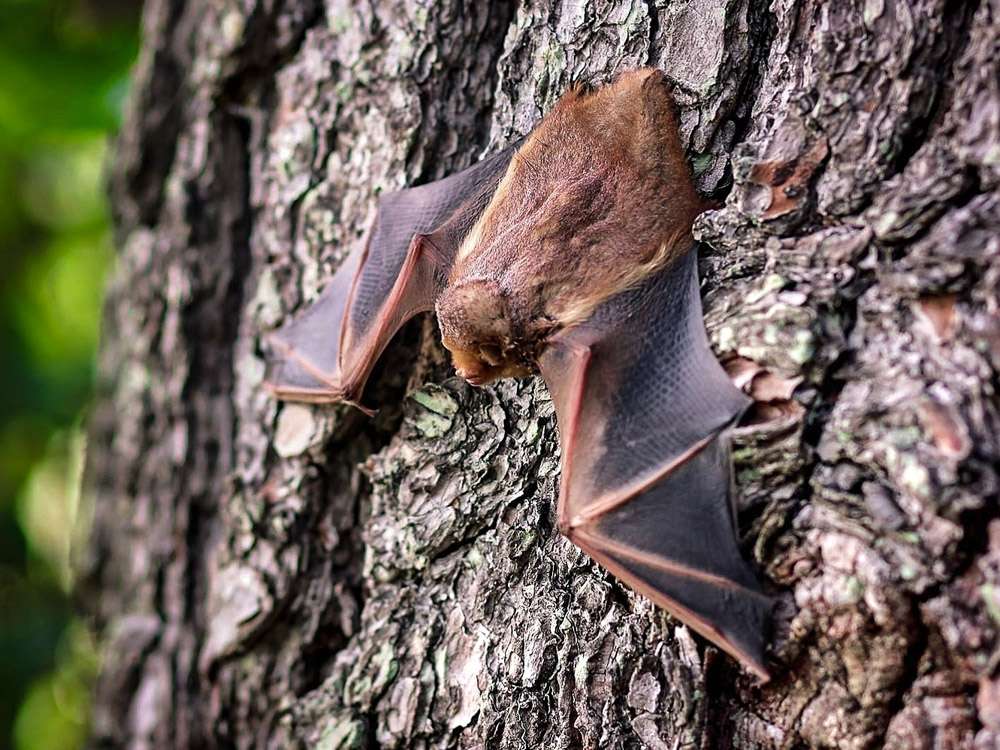
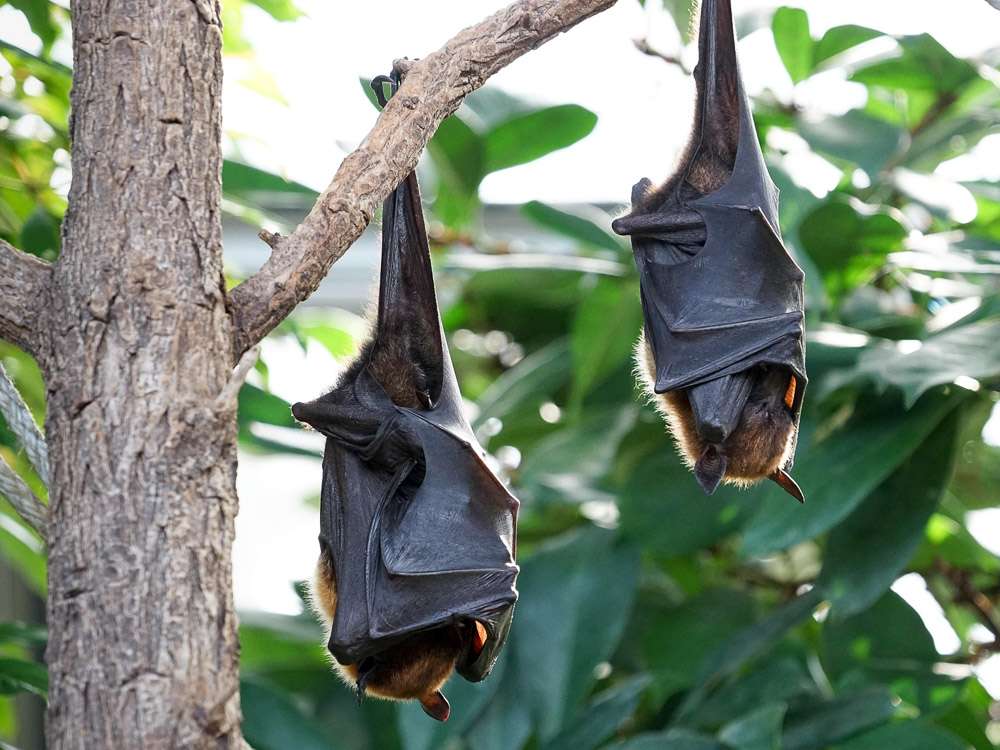
Bats are shy and gentle. The only reason a bat would come anywhere near you is because you’re a mosquito magnet! Seriously, if a bat is swooping toward you with any kind of intention, it’s to feast on the mosquitoes hovering around you.
Producing guano is one activity that bats do NOT do while hanging upside down. They flip. Do their business. Flip back. Bats are fastidious about stuff like this and probably spend more time grooming than we do.
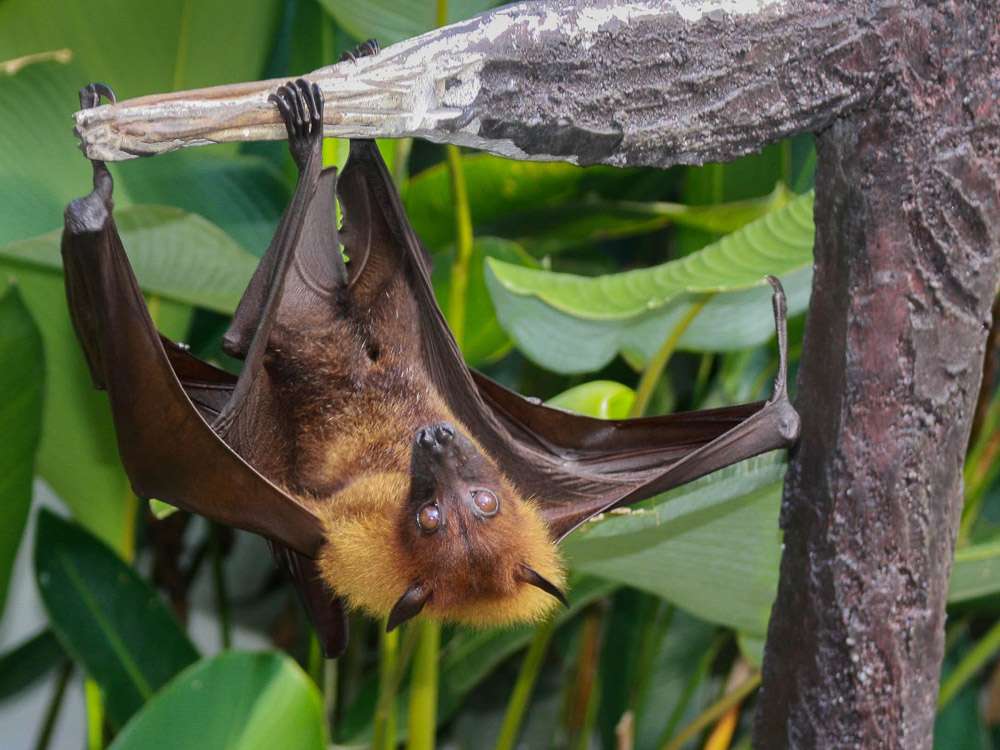
Researchers have discovered this vocal learning skill in baby Egyptian fruit bats (Rousettus aegyptiacus, pictured), a highly social species found from Africa to Pakistan. Only a handful of other mammals, including cetaceans and certain insectivorous bats, are vocal learners. The adult fruit bats have a rich vocal repertoire of mouselike squeaks and chatter. The scientists suspected the bat pups had to learn these sounds. To find out, they placed baby bats with their mothers in isolation chambers for 5 months and made video and audio recordings of each pair.
Lacking any other adults to vocalize to, the mothers were silent, and their babies made only isolation calls and babbling sounds, the researchers report today in Science Advances. As a control, the team raised another group of bat pups with their mothers and fathers, who chattered to each other. Soon, the control pups’ babbling gave way to specific sounds that matched those of their mothers. But the isolated pups quickly overcame the vocal gap after the scientists united both sets of bats—suggesting that unlike many songbird species (and more like humans), the fruit bats don’t have a limited period for vocal learning.
Contrary to folklore, bats are not blind, but because they are nocturnal, they rely on their ears more than their eyes to navigate and find food in the dark. Bats use a technique called echolocation, which is sort of like natural sonar. They generate extremely high-pitched noises, most of which are beyond the normal human hearing range. The sound waves bounce off objects and echo back to the bat. Bats’ unique facial features help them to perceive the sound waves, and the information they receive gives them the exact location of the food they are trying to catch or the obstacles they are trying to avoid.
A fungal disease called white-nose syndrome has claimed the lives of more than 5 million bats since its discovery in 2006 and has spread across North America at alarming rates. The fungus can be transmitted from bat to bat, cave to bat and even cave to cave as people inadvertently carry the fungus on shoes, clothing or equipment. Since many bats hibernate in the same caves over the winter, the fungus can decimate an entire bat colony once established.
More than 15 bat species are currently listed as federally endangered, threatened or under review in the candidate or petition process under the Endangered Species Act.

A community garden is a wonderful way to bring people together while growing fresh, healthy food. Kids can ask their school, local library, or community center if there’s space to start a garden, then invite neighbors and classmates to help plant, water, and harvest vegetables or flowers. Some gardens even donate their extra produce to food banks or share it with neighbors who need it. It’s a hands-on way to learn about nature, teamwork, and taking care of your community’s shared spaces.
Wildlife centers take care of injured or orphaned animals, and they always need extra support to keep helping. Kids can host a bake sale, lemonade stand, or online fundraiser, or organize a “walk-a-thon” with friends and family to raise money for a wildlife rescue near them. You could also collect donated supplies the center needs, like towels, blankets, or pet food. Even a small donation can help feed, shelter, or heal an animal in need.
Recycling projects let kids turn everyday trash into something useful — or at least keep it out of landfills! You could start a recycling bin program at your school, organize a can and bottle drive to raise money for charity, or get creative and turn old materials into art, planters, or bird feeders. You might even research your town’s recycling rules and make a poster or flyer to help neighbors recycle correctly. Small habits, like rinsing containers or separating paper from plastic, add up to a big impact when a whole community joins in.
Setting up a booth at your local farmers market is a great way to get your whole neighborhood excited about helping the planet. You could raise money for a cause you care about — like a wildlife shelter, a tree-planting group, or a beach cleanup fund — by selling homemade crafts, lemonade, or baked goods. You could also use your booth to teach people about recycling, showing them fun facts or simple tips for sorting their trash the right way. It’s a great way to practice public speaking, teamwork, and making a real difference in your community.
Every year on the third Saturday of September, people around the world celebrate International Coastal Cleanup Day, and you can sign up with local groups in your community to join thousands of other volunteers picking up trash along the shore. But you don’t have to wait for that one day — cleanups can happen any time! Grab some gloves, trash bags, and a few friends, and organize your own cleanup day at a nearby river, stream, lake, or beach. It’s a fun way to hang out with friends while protecting fish, turtles, and birds from plastic and litter. Nationalcleanupday.
Planting trees is one of the easiest ways kids can help fight climate change and give animals a home. You can join organizations like SAFE Worldwide, One Tree Planted, or the Arbor Day Foundation, which often have kid-friendly volunteer days and even let you sponsor a tree from home. Or, team up with your family, neighbors, or scout troop to start your own mini tree-planting project in a local park, schoolyard, or empty lot (just ask permission first!). Every tree you plant helps clean the air, cool the planet, and grow into a home for birds and squirrels for years to come.